Thermal Bag Foil Laminate: Five Procurement Pitfalls Insulated Bag Manufacturers Should Avoid
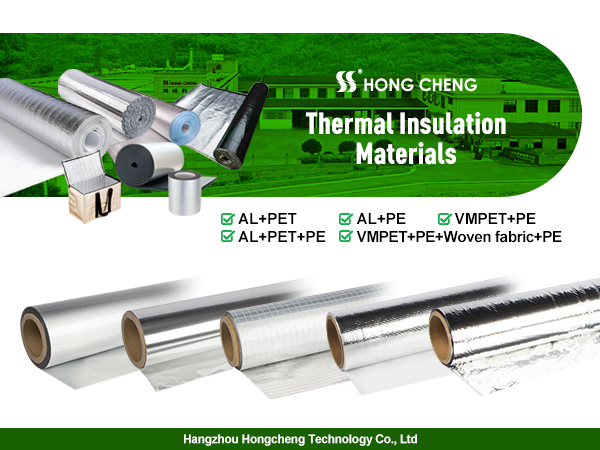
For factories making thermal bags and insulated coolers, the worst outcome is not a shortage of orders but a customer complaint after delivery: wrinkled foil, delamination, or film that cracks at the first fold. In most cases the root cause traces back to how the upstream laminate roll was selected and inspected. As a raw material supplier of aluminum plastic film rolls to insulated bag manufacturers, we have put together the five most common procurement pitfalls so you can run your own check.
Pitfall 1: Accepting Metallized Film When You Ordered Foil Laminate
There are actually two kinds of "foil" facing material on the market for thermal bags. One is a pure foil laminate (AL/PE or PET/AL/PE), where the aluminum layer is rolled aluminum foil. The other is a metallized laminate (VMPET/PE), where a thin aluminum oxide layer is vacuum-deposited onto PET. They look similar but differ noticeably in barrier performance and cost. Metallized laminates are cheaper and more flexible, and many thermal bag lines use them without issue. But when the end customer demands high barrier performance and a strong mirror-like appearance, a pure foil structure is the better fit. The simple safeguard: distinguish them by surface resistance at incoming inspection — pure foil conducts well, while a metallized layer shows clearly higher resistance. And spell out "pure foil" or "metallized" in the contract instead of just writing "foil film."
Pitfall 2: Choosing Foil Gauge by Price Alone
Aluminum foil is supplied in conventional thicknesses of 6μm to 9μm. The heavy grade (9μm) has fewer pinholes and more stable barrier performance, at a correspondingly higher cost; the lighter grade offers better value for everyday insulated lunch bags where appearance demands are modest. Some buyers squeeze the price by simply asking for "the thinnest you have," only to find after delivery that pinholes are frequent and thermal performance falls off, drawing complaints from the end customer. The right approach is to match the grade to the end-market requirement, state the grade explicitly in the purchase contract, and check pinholes against light at incoming inspection.
Pitfall 3: Overlooking PE Layer Thickness and Sealing Compatibility
The PE layer in the laminate does the real work during lamination to the insulation wadding and during bag-mouth heat sealing. A PE layer that is too thin gives a narrow sealing window on the bag-making machine — one adjustment and you get leaks; too thick and you are paying for material you do not need. Different thermal bags use different weights of insulation cotton or pearl cotton, and lamination temperatures vary accordingly. The safeguard: tell your material supplier whether you use adhesive lamination or thermal lamination, and what temperature range your sealing equipment runs at, so the PE layer can be matched to your process. Then run trial seals on your own equipment before committing to a full production order — never go straight from sample film to a large run.
Pitfall 4: Leaving Peel Strength Out of the Contract
The foil laminate in a thermal bag goes through cutting, lamination, stitching and folding. If lamination bond strength is insufficient, the finished bag starts showing edge delamination and curled foil after a few uses. Put peel strength into the contract — a common baseline is no less than 1.5N/15mm — and run a quick hand-tear check plus a laboratory verification on every incoming batch. Where possible, establish a sealed-sample system with your supplier and compare first, middle and end samples of each batch; batch-to-batch variation becomes visible at a glance.
Pitfall 5: Not Aligning Appearance Standards Upfront
Thermal bags are appearance-driven products: the brightness, wrinkles and gel points of the foil surface directly affect the retail price the end market will accept. Some factories only discover after delivery that the film surface is duller than the previous batch. Before ordering, agree in writing on gloss requirements and appearance acceptance criteria — the decision boundaries for wrinkles, gel points and scratches — and keep a sealed reference sample. Pure foil and metallized film also differ in visual gloss, so whenever the structure changes, re-approve a fresh sample rather than relying on experience with the previous batch.
A Practical Tool: The One-Page Specification Sheet
One of the most effective habits a thermal bag buyer can build is a one-page material specification sheet, agreed with the supplier before the first order and attached to every subsequent purchase order. It does not need to be complicated — a single page listing the following lines is usually enough:
- Laminate structure: for example, AL/PE, PET/AL/PE, or VMPET/PE — name the layer sequence explicitly.
- Foil layer: pure foil or metallized, and the thickness grade (conventional 6μm–9μm; heavy grade 9μm for high-barrier or long-life requirements).
- PE layer: thickness in μm, virgin or recycled content, and the intended heat-seal temperature window.
- Bond strength: 180° peel strength, minimum 1.5N/15mm, verified by tear test at incoming inspection.
- Slitting and roll handling: width tolerance, maximum splices per roll, edge-quality requirement.
- Appearance criteria: gloss level and the acceptance boundaries for wrinkles, gel points and scratches, with a sealed reference sample.
Attach the sheet to the contract and ask the supplier to sign it. When a dispute arises, the conversation shifts from "the film feels different this time" to "the delivered goods do not meet line four of the signed specification" — a far stronger position for the buyer, and a faster resolution for both sides.
Three Habits That Keep Quality Consistent
First, standardize incoming inspection: multimeter test to distinguish pure foil from metallized film, light-table check for pinholes, micrometer measurement against the contract thickness, and a hand-tear check for bond strength. Five minutes per batch prevents most downstream complaints.
Second, keep sealed samples from every batch. A small archive of first, middle and end samples, labeled by date and batch number, turns vague impressions into evidence — and makes supplier conversations factual rather than emotional.
Third, communicate process details, not just prices. Tell your supplier what lamination method you run, what sealing equipment you use, and what end-market appearance your customers expect. Materials can only be matched to requirements the supplier actually knows about. The factories with the fewest material complaints are rarely the ones paying the highest prices; they are the ones writing the clearest specifications.
A Closing Note from the Material Side
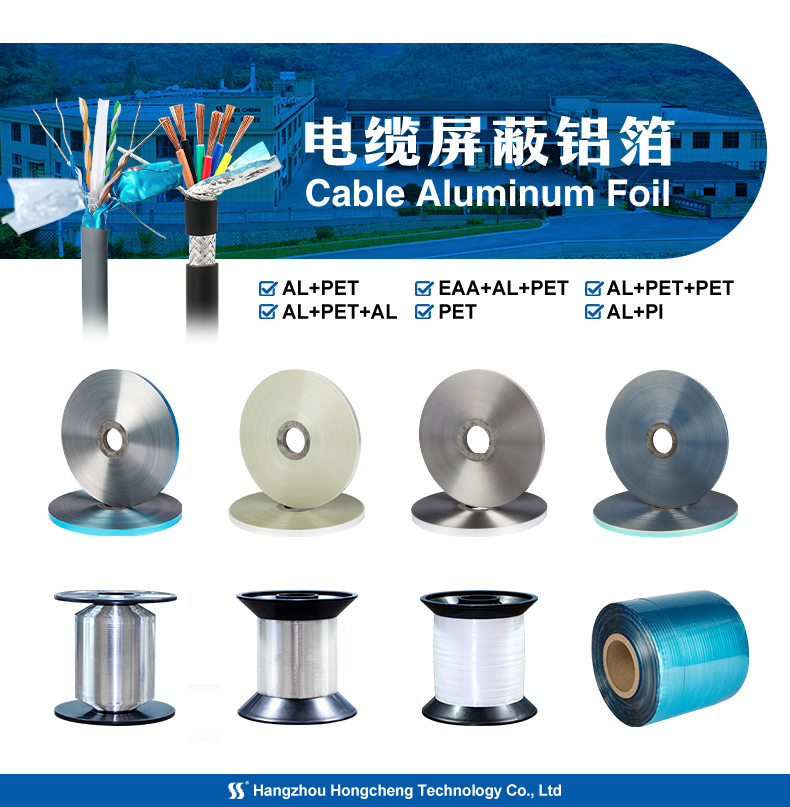
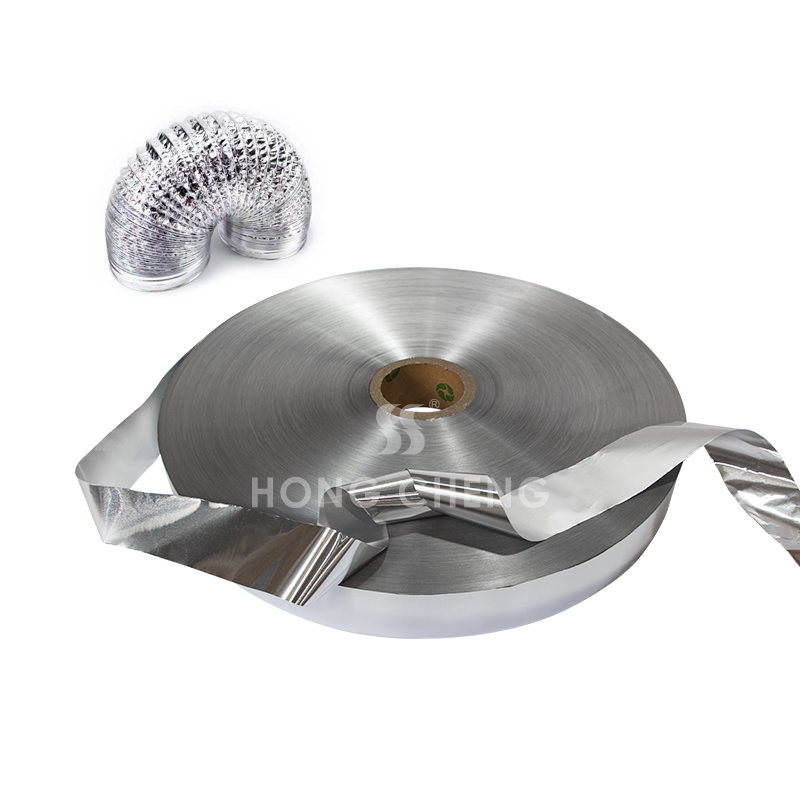
Between a thermal bag manufacturer and its material supplier, the most valuable things are not a few cents of unit price but the right structure, defined parameters and consistent batches. Hangzhou Hongcheng Technology manufactures AL/PE laminates, PET/AL/PE laminates and metallized film laminates — the raw material rolls for thermal bags and insulation products — with custom structures, widths and thicknesses to match your lamination process and end-market requirements. As a raw material supplier we do not make finished thermal bags, but we are glad to help you keep the material side under control.
Techfoil +86 13758223270 Email: wendy@hcdxcl.com.cn
Choosing Aluminum-Plastic Laminate for Tea Packaging: Barrier, Light Protection and Odor Control
Duct Foil Costing: Get the Aluminum Gauge and Laminate Ratio Right First