Heating Cable Market Expansion Creates New Demand for AL/PE Foil Sheathing Laminate
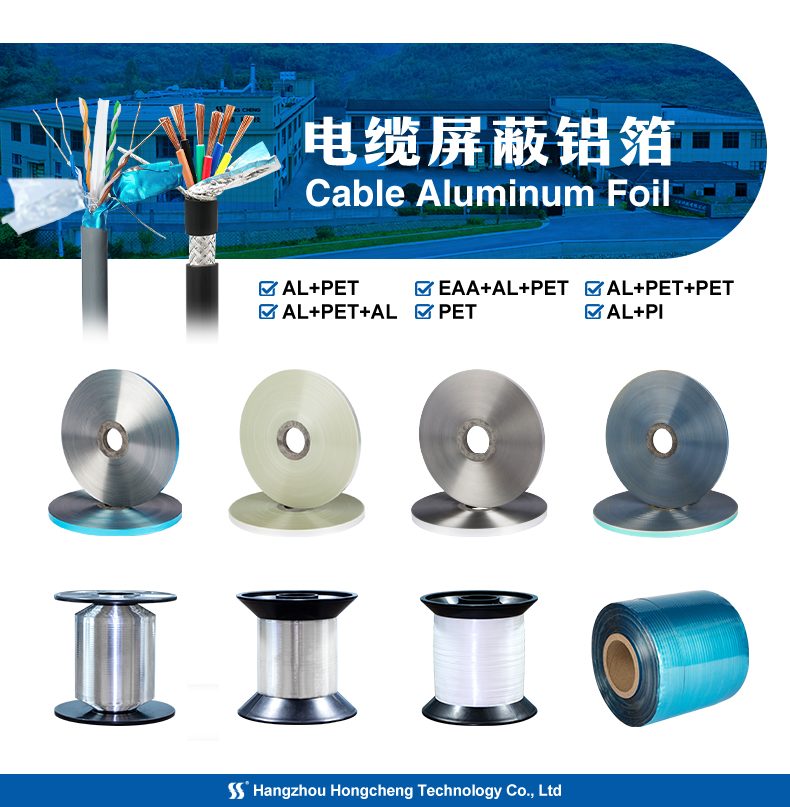
Heating cable is entering a period of steady demand growth, and the drivers are structural rather than cyclical. Across China, clean heating has been incorporated into urban construction and energy-saving plans, with electric floor heating and pipe heat-tracing projects continuing to land in hospitals, schools, livestock buildings and municipal facilities. In overseas markets, energy restructuring in Europe is raising the share of electric underfloor heating and road snow-melting systems in new construction, while infrastructure programs in the Middle East and Central Asia are driving batch procurement of industrial heat-tracing cables. For heating cable manufacturers, both the order structure and the requirements for upstream shielding and sheathing materials are changing — and the AL/PE foil laminate is one of the key auxiliary materials in this shift.
What is changing in the market
Historically, heating cable purchases were fragmented: a single building here, a small floor area there. large-scale projects are becoming the norm. An entire residential estate wired for electric floor heating, a municipal road fitted with a snow-melting system, or a whole livestock house heated by cable — these are orders measured in kilometers of cable, not meters. Procurement logic has shifted accordingly. Instead of asking "is it in stock?", tender documents now specify shielding structure, shielding attenuation, temperature class and environmental compliance. Cable manufacturers can no longer quote from experience alone; they need verifiable material data from their laminate suppliers.
The role of AL/PE laminate in heating cable construction
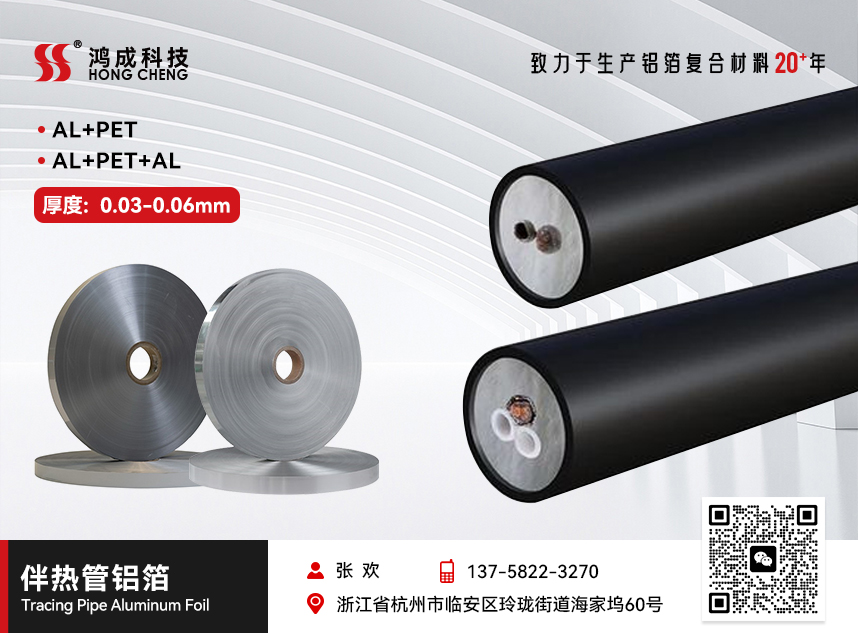
A typical heating cable is built in four layers from the inside out: the heating element, the insulation layer, the shielding layer and the outer sheath. The AL/PE laminate serves as the core of the shielding layer, and it does two jobs.
First, shielding. The aluminum layer contains the electromagnetic interference generated by the heating element, keeping it inside the cable and preventing disruption to nearby control equipment and low-voltage systems. This is also a precondition for the correct operation of leakage protection and grounding systems. Second, temperature equalization and protection. Aluminum conducts heat well, spreading surface temperature more evenly along the cable and reducing local hot spots, while the PE layer provides conformity during wrapping and a degree of mechanical cushioning. In short, the quality of the shielding laminate directly affects the electrical safety performance and service life of the finished cable.
Three shifts in buyer requirements
As projects scale up and acceptance standards tighten, heating cable manufacturers are imposing stricter requirements on AL/PE laminate in three areas.
First, aluminum layer quality is being verified, not assumed. Continuity of the shielding layer is a hard requirement: an aluminum layer with excessive pinholes or uneven thickness cannot deliver the specified shielding attenuation. The industry-standard aluminum foil thickness range for supply is 6μm–9μm, and heating cable shielding typically uses the heavy grade at 9μm combined with a low pinhole count to ensure continuous shielding after longitudinal wrapping. Buyers are advised to inspect pinholes against a light source and measure thickness at multiple points with a micrometer, rather than trusting package labels alone.
Second, bonding strength requirements are rising. Heating cable production involves wrapping, hauling and extrusion of the outer sheath. If adhesion between the aluminum and PE layers is weak, the laminate will wrinkle, delaminate or even break during wrapping, leaving gaps or discontinuities in the shielding. A peel strength of at least 1.5N/15mm is generally expected, and this figure should be written into the purchase contract and verified by tear testing on delivery.
Third, batch-to-batch consistency is entering the assessment. A scaled-up project may require dozens or even hundreds of rolls in one delivery. If aluminum thickness or width tolerance fluctuates significantly between batches, shielding attenuation becomes unstable, and finished cable may fail spot checks at acceptance. The reliable practice is to seal a reference sample at the approval stage and compare first, middle and end-of-roll specimens against it when bulk goods arrive.
Practical advice for cable manufacturers
Three pieces of advice are worth acting on in the current environment. First, ask for structure before price. Require the supplier to state three numbers — aluminum thickness, PE thickness and adhesive coating weight. A quotation built on a single "total thickness" figure usually signals weak supply chain discipline. Second, put specifications into the contract. List peel strength, width tolerance, pinhole rate and environmental requirements item by item, so that any dispute can be settled on documented evidence. Third, evaluate the supplier's track record in the cable industry. Heating cable shielding tape demands high slitting precision and roll quality; a laminate supplier with established cable-sector references will deliver lower trial-run waste and more reliable lead times.
Compliance and export considerations
For manufacturers supplying European and other export markets, environmental compliance is no longer optional. Halogen-free requirements and restrictions on hazardous substances are increasingly written into project specifications, and buyers may request test reports alongside routine mechanical data. Choosing a laminate supplier who can provide consistent documentation — material structure, thickness data, peel strength and compliance declarations in one package — reduces friction at both customs clearance and project acceptance.
Conclusion
The heating cable market is growing on the back of clean heating policy, building energy retrofits and infrastructure investment, and that growth is pushing shielding materials from a commodity purchase toward a specification-driven one. Cable manufacturers who tighten their material verification — aluminum layer quality, bonding strength and batch consistency — will find acceptance testing smoother and their finished cables more competitive.
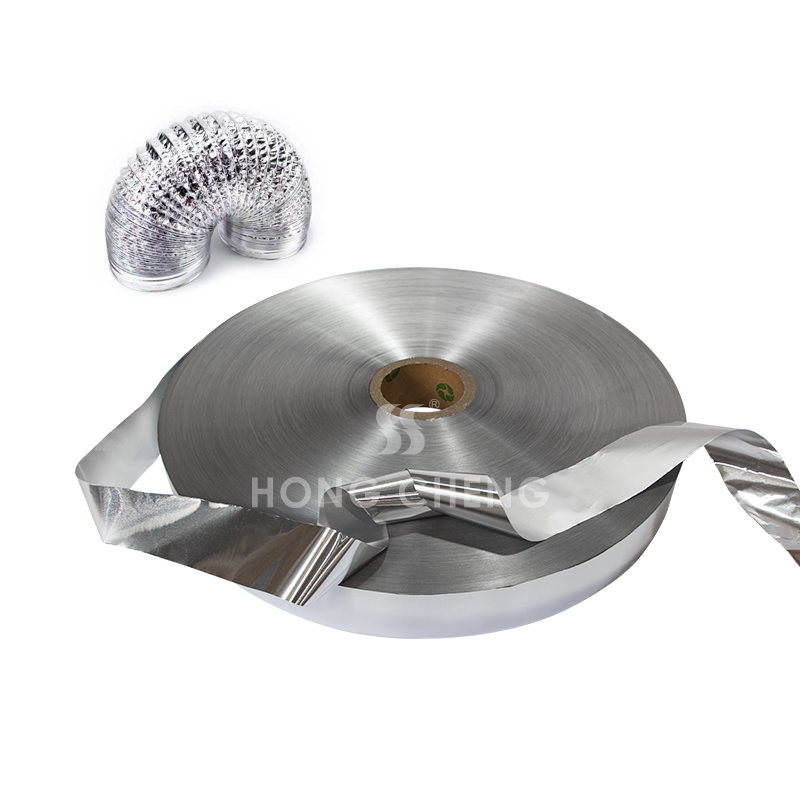
Hongcheng Technology is a professional raw-material supplier of aluminum foil laminates and PE-coated composite materials, long serving the heating cable and wire-and-cable industry with AL/PE shielding sheathing laminates, aluminum-plastic shielding tapes and related rolls, with customization of aluminum thickness, PE ratio and slit width available. Please note that Hongcheng Technology supplies raw material rolls only and is not engaged in the manufacture of finished heating cables. Samples and inquiries from cable manufacturers are welcome.
+86 13758223270、Email: wendy@hcdxcl.com.cn Techfoil
Choosing Aluminum-Plastic Laminate for Tea Packaging: Barrier, Light Protection and Odor Control