Choosing Aluminum-Plastic Laminate for Tea Packaging: Barrier, Light Protection and Odor Control
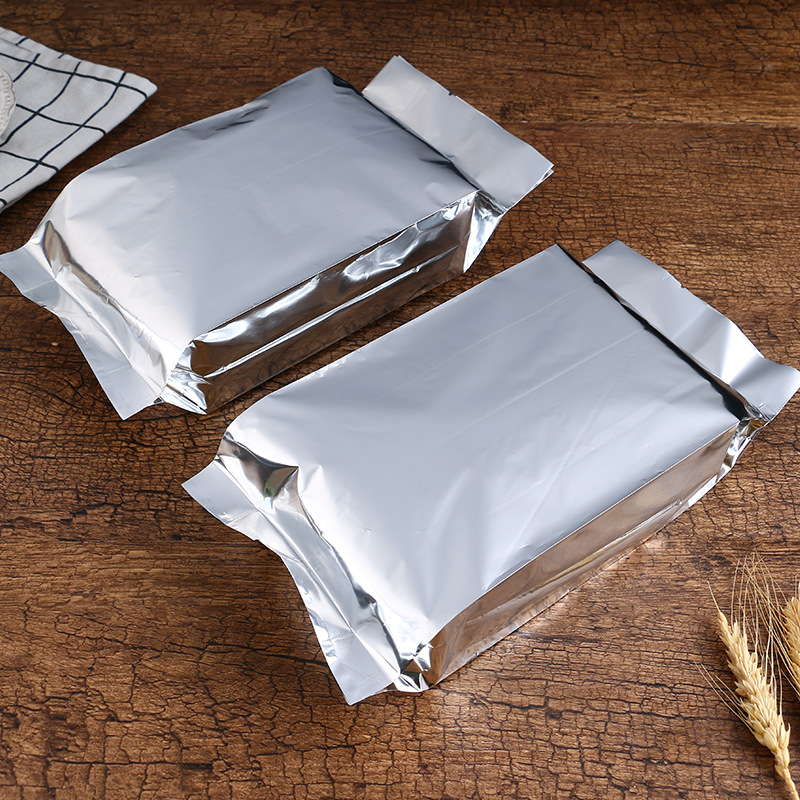
Tea packaging buyers often face this puzzle: two rolls of "aluminum-plastic laminate" can look identical, yet tea packed in one keeps its aroma for six months while tea packed in the other goes flat and picks up moisture within three. The problem is usually not the bag-making process — the laminate structure was wrong from the start. Tea is exceptionally sensitive to moisture, oxygen, light and foreign odors, so the material selection logic for tea packaging differs from ordinary food packaging in several important ways. As a supplier of aluminum-plastic laminate raw materials, we would like to lay out four selection points for bag converters and canning operations.
Point 1: Barrier Performance Comes First — Start With the Foil Structure
The core freshness indicators for tea are water vapor and oxygen barrier. Green tea and lightly oxidized oolongs are especially vulnerable to humidity; once moisture gets in, the liquor turns thin within weeks. Black and dark teas are more forgiving, but no tea tolerates long exposure to high humidity. Barrier performance in a laminate comes almost entirely from the aluminum layer. A pure foil structure such as PET/AL/PE offers near-zero moisture transmission and is the first choice for long shelf life and high-value teas. A metallized structure (VMPET laminate) provides somewhat lower barrier at a friendlier cost, and suits mid-range product lines with moderate shelf-life targets. The first step in sourcing is simply to confirm which structure you are buying — pure foil or metallized. Both can be finished to a brilliant shine, but their performance and cost differ substantially, so write the structure into the contract rather than trusting a sample alone.
One note on foil thickness: for structures involving aluminum foil, the conventional supply range is 6μm to 9μm, in light and heavy (9μm) grades. The light grade meets general barrier requirements; the heavy grade offers better pinhole control. Be cautious if a supplier quotes foil weights outside the conventional range — ask for verification rather than assuming it is a premium offer.
Point 2: Light Protection Is About Layer Continuity, Not Just Opacity
Tea degrades under light: chlorophyll breaks down and surface oils oxidize. An aluminum-plastic laminate is opaque as a whole, so the real risk lies in the continuity of the aluminum layer itself. Foil can develop micro-pinholes during rolling and lamination. A film with heavy pinholing shows a field of faint light points when viewed against a bright source — and its barrier performance degrades in exactly the same places. A practical incoming check: hold the film flat against a high-brightness light and look through it. If light points are dense and evenly scattered, reject the roll. Converters should also ask suppliers for batch-level pinhole inspection data. For tea packaging this is a hard specification, not a nice-to-have.
Point 3: Odor Control Is the Invisible Threshold
This is the most overlooked requirement and the one most likely to trigger a serious complaint. Tea absorbs odors aggressively. If the laminate carries residual solvents or low-molecular-weight odors from the PE sealant layer, the tea will pick them up, and the brewed liquor will carry a distinct plastic taint. Three things to check when sourcing: first, residual solvent control in the lamination process — a qualified supplier should be able to provide residual solvent test reports. Second, the grade of the PE heat-seal raw material; recycled or low-grade resin carries a high odor risk, so the contract should specify food-grade virgin material. Third, run a simple sensory check on arrival: seal a small piece of film in a cup with warm water, then smell the headspace. Any batch with noticeable odor stays off the line. For canned tea, also consider odor compatibility between the roll material and the lid sealant — when both contribute odor, the effect compounds.
A Quick Supplier Verification Checklist
Before placing a first order, three questions sort reliable laminate suppliers from the rest. Can they state the laminate structure layer by layer, with foil thickness in microns and PE thickness stated separately? Can they provide batch test reports covering WVTR, oxygen transmission, peel strength and residual solvent? And will they agree to hold a sealed reference sample of each production batch for consistency comparison? A supplier who answers all three readily will usually be a supplier whose shipments match their samples — which, in tea packaging, is the single most valuable quality attribute of all.
Point 4: Heat-Seal Compatibility Determines Production Yield
Even a perfect barrier film is worthless if it cannot run well on the bag-making line. Small tea sachets mean narrow seals and short sealing dwell times, which puts specific demands on the PE layer: a moderate sealing-initiation temperature, stable seal strength, and no channel leaks at narrow margins. Laminates with different PE formulations have noticeably different sealing windows, so whenever the material changes, run a small trial first and confirm flat, complete seals before committing to a production run. Bag styles that require a tear-open notch also call for consistent delamination behavior at the notch. Finally, thickness tolerance and width accuracy of the roll directly affect web stability on the converting machine — put both into the purchase contract.
A Simple Decision Sequence
In practice, sourcing can follow this order: start from the tea category and its shelf-life target — long shelf life and high value call for a pure-foil three-layer structure, while volume-oriented mid-range products fit a metallized structure. Then define the heat-seal requirements based on sachet or can formats. Finally, lock three specifications into the contract — pinhole count, residual solvent, and peel strength — and sample-test every batch. Fix the specifications before comparing prices, rather than working backwards from price. One batch-level quality failure in tea packaging costs more than a season of price savings, and it costs brand reputation on top.
Hangzhou Hongcheng Technology manufactures PET/AL/PE foil laminates, AL/PE laminates and metallized composite films for tea packaging applications, with custom thicknesses, widths and structures, and test data support for barrier and residual solvent performance. As a raw material supplier we do not make finished tea packaging, but we are glad to work through the specification with bag converters and canning operations.
Techfoil +86 13758223270 Email: wendy@hcdxcl.com.cn
Heating Cable Market Expansion Creates New Demand for AL/PE Foil Sheathing Laminate
Thermal Bag Foil Laminate: Five Procurement Pitfalls Insulated Bag Manufacturers Should Avoid