Aluminum-Plastic Composite Film Industry Upgraded by New Energy: Breakthroughs and Challenges Coexist in 2025
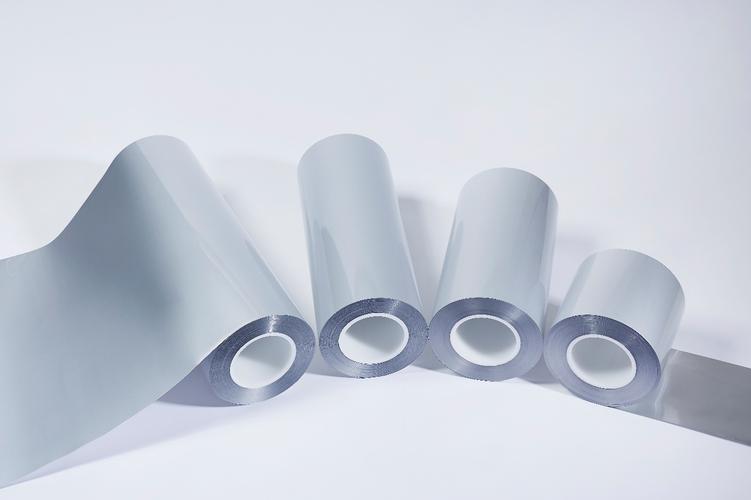
In December 2025, the aluminum-plastic composite film industry is showing structural growth driven by the booming new energy sector. The latest data shows that the global market scale has reached 53.017 billion yuan, and it is expected to exceed 8.5 billion US dollars by 2030 with a compound annual growth rate of over 8.5%. Among them, the Chinese market has become the core engine of global growth with a scale of 11.134 billion yuan, and the industry is in a critical period of technological iteration and pattern reshaping.
The structural characteristics on the demand side are particularly prominent. The power battery sector has become the absolute dominant application scenario with a proportion of over 45%, while the energy storage battery sector has become the fastest-growing segment driven by the rapid increase in global energy storage system installations. Demand for consumer batteries is growing steadily, and traditional fields such as pharmaceutical and food packaging maintain stable demand, forming a "one dominant, one fast-growing, multiple stable" demand pattern. Notably, despite domestic enterprises accelerating technological breakthroughs, the market share of domestic aluminum-plastic films was only about 45% in 2025, and the core high-end market is still dominated by overseas brands, with the domestic substitution process falling short of expectations.
Technological innovation has become the core driving force for the industry's breakthrough. Currently, the industry focuses on three directions: high barrier properties, ultra-thinness, and electrolyte corrosion resistance. The fifth-generation products have achieved a water vapor barrier performance of 0.001 g/(m²·day), significantly extending the service life of soft-pack batteries. Special aluminum-plastic composite film materials for solid-state batteries have entered the pilot test stage, with composite structure design and adhesive formula optimization becoming R&D priorities, driving innovation in material systems. Patent competition has also intensified, with an average of over 800 related invention patents published globally each year in the past three years. Production processes and core material formulas have become key layout areas, further strengthening technical barriers.
The industry competition pattern shows the characteristics of "head agglomeration and strategic differentiation". East Asia accounts for more than 70% of global production capacity, and the combined market share of leading enterprises is close to 50%, showing a clear pattern of "the strong getting stronger". In response to market changes, enterprise strategic adjustments have intensified. Some enterprises have chosen to delay large-scale capacity expansion plans and prioritize technological upgrading of existing production lines, optimizing capacity to cope with demand fluctuations. The competition model has evolved from simple price competition to a comprehensive contest of "technological patents + supply chain stability + customized services", and the "material + service" integrated solution is gradually emerging.
The acceleration of policy and standard system construction has set the tone for industry development. Many countries have included high-performance aluminum-plastic composite films in the catalog of key strategic materials, supporting the construction of local supply chains through tax incentives and R&D subsidies. Internationally, standards for recycling and carbon footprint accounting are being formulated, which are expected to affect global trade after 2026, forcing enterprises to promote green production. Domestically, the formulation of multiple group standards has also been launched to fill gaps in segmented fields and promote the standardized development of the industry.
Looking ahead, the penetration of new energy applications, green transformation, strengthened technical barriers, and business model upgrading will become core trends. However, the industry still faces multiple challenges: regional trade protection may impact the global supply chain, fluctuations in electric vehicle sales directly affect demand, slow domestic substitution leads to dependence on imports in the high-end market, and mismatches between capacity expansion and demand may trigger periodic surplus risks. Industry insiders point out that technological breakthroughs and cost control capabilities will be the key for enterprises to break through, and the industry is expected to achieve high-quality development through innovation and standardization.
Aluminum-Plastic Composite Film: The Core of "Thermal Insulation Black Technology" in Outdoor Blankets
The Core Functions of Aluminum-Plastic Composite Film in Roof Thermal Insulation and Waterproofing
Related Article