FIBC Aluminum Liner Film Selection Guide: Food Grade vs Chemical Grade Composite Structures
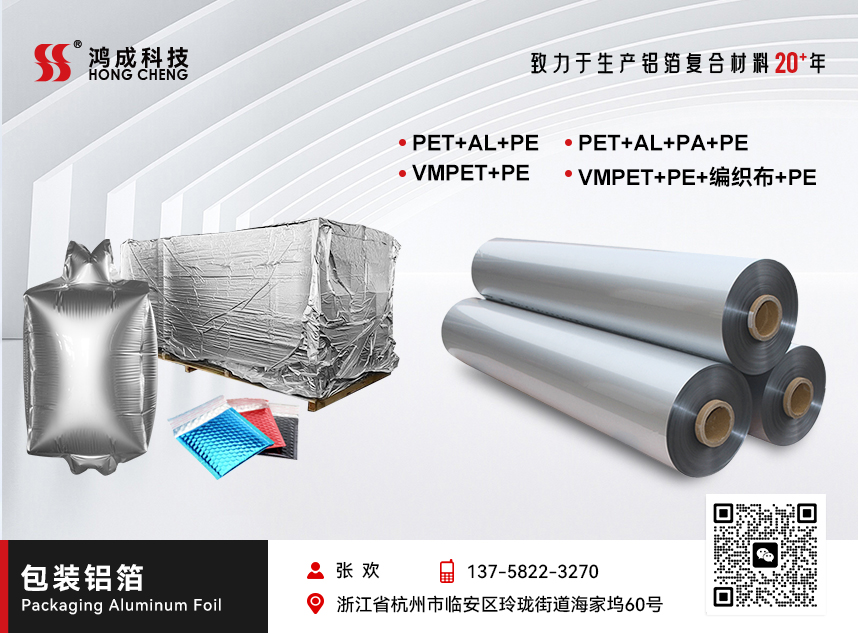
In industrial bulk packaging, FIBC (Flexible Intermediate Bulk Container) – commonly known as "ton bags" or "bulk bags" – is the mainstream transport form for powders, granules, and particulate materials, with single bag load capacity ranging from 500kg to 1500kg. The aluminum-plastic composite inner liner film surrounding FIBC is becoming the standard for export-oriented bulk packaging. It isolates the contents from the woven polypropylene outer bag through an airtight barrier, blocking oxygen, water vapor, and light – solving three major pain points: food-grade anti-oxidation, chemical-grade moisture protection, and mineral-grade property preservation. This guide breaks down the selection criteria through four angles: regulatory compliance, application scenarios, structural design, and common procurement mistakes.
I. Industry Background: Aluminum-Plastic FIBC Liner from "Optional" to "Mandatory"
Previously, FIBC liners were dominated by single-layer PE inner bags, which only served the purpose of "leak prevention" and did not meet the high-barrier demands of food, pharmaceutical, and chemical applications. Three recent changes have driven the aluminum-plastic FIBC liner into a standard trend:
1. Food Export Regulation Tightening. EU Regulation 10/2011, U.S. FDA 21 CFR, and China GB 4806.7 have continuously tightened their requirements, mandating high-barrier liners for high-fat and high-sensitivity foods (cocoa powder, milk powder, coffee, nuts, chili powder, additives). Single PE no longer meets compliance standards.
2. Chemical Accident-Driven Upgrades. Multiple chemical FIBC transport moisture incidents during 2024-2025 have prompted European and American buyers to universally require AL layers or EVOH high-barrier layers in FIBC liners. Aluminum-plastic composite FIBC liners are now hard-listed as procurement specifications.
3. Extended Bulk Sea Freight Cycle. Red Sea diversions have extended shipping time from 25 days to 45-50 days. Long voyages with high temperatures and humidity cycles impose higher demands on liner barrier performance, making aluminum-plastic liner films an "entry ticket" rather than a "value-added feature."
II. Scenarios Define Core Requirements: Food Grade vs Chemical Grade vs Mineral Grade vs Pharmaceutical Grade
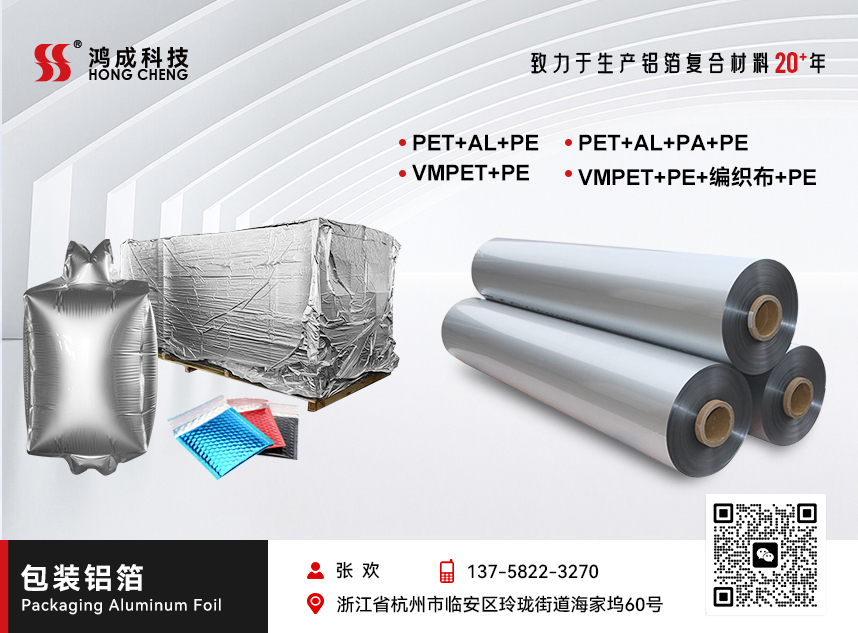
1. Food Grade FIBC Liner. Typical applications: cocoa powder, coffee beans, milk powder, sugar powder, seasonings, additives, pet food raw materials. Core requirements: oxygen barrier + light blocking + food contact compliance. Common structures are PET/AL/PE, PET/VMPET/PE, or VMPET/PE three-layer structures.
2. Chemical Grade FIBC Liner. Typical applications: pigments, dye intermediates, catalysts, plastic additives, pesticide intermediates, fine chemical powders. Core requirements: moisture barrier + oxidation prevention + anti-static. Common structures are PET/AL/PE or VMPET/PE with anti-static coating.
3. Mineral Grade FIBC Liner. Typical applications: zinc oxide, titanium dioxide, rare earth powders, battery-grade materials, ultra-fine powders. Core requirements: moisture barrier + anti-caking + anti-oxidation + static dissipation. Structures commonly use AL/PE, PET/AL/PE, or multi-layer co-extrusion with anti-static additives.
4. Pharmaceutical Intermediate FIBC Liner. Typical applications: API powders, enzyme preparations, biological product intermediates. Required to meet GMP cleanroom standards + FDA DMF registration + oxygen/moisture barrier. Structures are dominated by multi-layer composite films with high AL content.
III. Aluminum-Plastic FIBC Liner Film Structural Details
1. Mainstream Three-Layer Structure: PET/AL/PE. The outer PET layer provides mechanical strength and printability, the middle AL layer (aluminum foil 7-9μm, most commonly 7μm) provides barrier performance, and the PE heat-seal layer (70-100μm) is responsible for heat-sealing. Oxygen transmission rate (OTOR) < 0.5 cm³/m²·day·atm, water vapor transmission rate (WVTR) < 0.2 g/m²·day.
2. Metallized Lightweight Structure: VMPET/PE. Uses metallized VMPET film (aluminum layer 30-50nm) to replace aluminum foil. Advantages: lower cost, better flexibility, less pinhole cracking; disadvantages: barrier performance is about 1/5-1/3 of aluminum foil, suitable for non-extreme barrier scenarios.
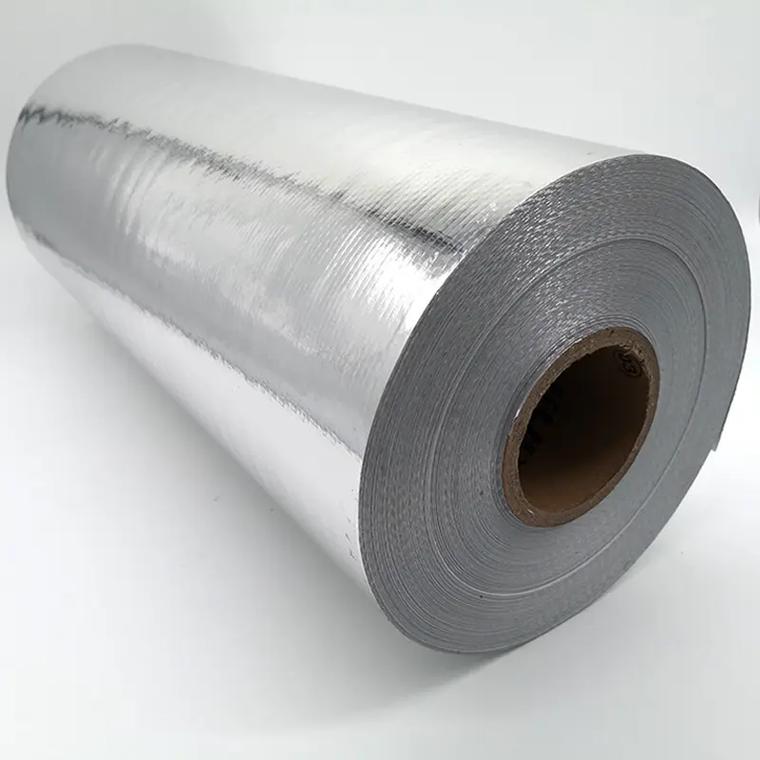
3. Woven Fabric Substrate Reinforced Structure: AL/PE/woven fabric composite. Suitable for integrated molding of FIBC outer bags, combining the outer woven fabric and aluminum-plastic liner in one forming step, eliminating the need for separate liner insertion processes. Common structure: outer woven fabric + middle AL/PE + inner PE seal layer.
4. Anti-Static Special Structure: AL/PE + anti-static coating. Used for flammable/explosive powders (aluminum powder, magnesium powder, zinc powder, organic peroxides), surface resistance 10⁶-10⁹ Ω, preventing static sparks from triggering dust explosions.
5. High-Temperature Sterilization Structure: PET/AL/CPP or PET/AL/PP. Used for food packaging requiring pasteurization, CPP or PP heat-seal layer can withstand temperatures above 121℃.
IV. Six Core Procurement Parameters
-
Aluminum Foil Purity and Thickness. Food grade recommends 8079-O temper aluminum foil, purity 99.5% or higher, thickness 7-9μm. Pinhole rate < 50 holes/m² (strict for food grade); general chemical grade 9-12μm is acceptable.
-
PE Thickness and Material. Ordinary food grade 70-80μm is sufficient; chemical grade 90-120μm; heavy-duty mineral grade can reach 150-200μm. LDPE offers good flexibility, LLDPE provides strong puncture resistance, HDPE offers high rigidity.
-
Heat Seal Strength. ≥ 25 N/15mm (food grade ≥ 30 N/15mm), heat seal temperature 130-160℃, seal width ≥ 10mm.
-
Barrier Performance. Food grade OTOR ≤ 1 cm³/m²·day·atm, chemical grade OTOR ≤ 5 cm³/m²·day·atm. WVTR generally ≤ 1 g/m²·day as compliance line.
-
Anti-Static Resistance. Chemical powder transport 10⁶-10⁹ Ω; flammable/explosive scenarios 10⁶-10⁸ Ω with discharge electrodes.
-
Food Contact Compliance. At least one certification report from FDA 21 CFR 176.170, EU 10/2011, GB 4806.7. Avoid the use of recycled PE.
V. Three Common Procurement Mistakes
Mistake 1: Single PE Bags Are Sufficient. Reality: PE oxygen barrier capability is only 1/30 of AL, with oxygen transmission OTOR typically 1500-2500 cm³/m²·day·atm, completely unable to meet food-grade shelf life and chemical-grade moisture protection requirements.
Mistake 2: Metallized Film Can Completely Replace Aluminum Foil. Reality: VMPET barrier performance is about 1/5-1/3 of AL; light-sensitive foods such as cocoa powder and coffee beans still require aluminum foil structures. Metallized film can reduce cost by 30%, but cannot be a one-size-fits-all replacement.
Mistake 3: Place Orders Based Solely on Gram-Weight Pricing. Reality: FIBC liner film pricing must be compared across five dimensions: gram weight + width + thickness + AL layer thickness + heat-seal layer material. Pure unit-price comparison can be misled by hidden parameters. It is recommended to require suppliers to issue test reports per ASTM E96, ASTM D3985, and ASTM F88 standards.
VI. Source Manufacturer Selection Recommendations
Hangzhou Hongcheng Technology Co., Ltd. specializes in aluminum foil composite films and PE laminated composite materials, serving as a source manufacturer for FIBC ton bag aluminum-plastic composite liner films. We cover full specifications from 7μm aluminum foil to 200μm woven fabric composite substrates, and can provide customized solutions based on content barrier level, heat-seal process, and export regulations. Common specifications include three mainstream paths: PET/AL/PE three-layer, VMPET/PE metallized structure, and AL/foil/woven fabric integrated composite, supporting 600mm-1500mm width customization, roll material or prefabricated bag supply, 48-hour sampling, and 7-day delivery.
Contact: +86 13758223270, Email: wendy@hcdxcl.com.cn
Techfoil
Liquid-Cooled EV Charging Cable Shielding: How to Select AL/PET Mylar Tape for High-Power Charging Applications
PV Rooftop Waterproofing: How to Select AL/PE Foil Membrane for BIPV and BAPV Projects