How to Choose Greenhouse Thermal Screens: A Guide to Foil-PE and Metallized Screen Materials
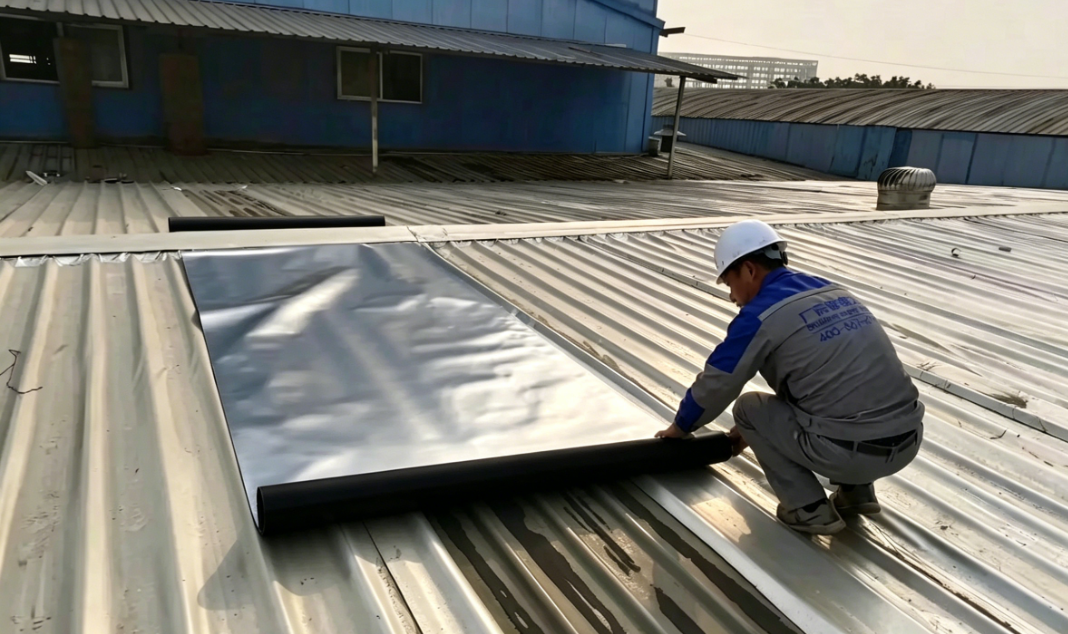
Rising electricity and fuel costs have made climate control one of the biggest headaches for greenhouse operators and installers. A well-chosen thermal screen acts like a reflective blanket: it bounces excess solar heat back out during the day and traps warmth inside at night. For many commercial greenhouses, the right screen can cut annual heating and cooling bills by 20 to 35 percent.
But not every silver screen is the same. Buyers comparing aluminum foil-PE composites, metallized film-woven fabrics, and foil-nonwoven laminates often find prices varying widely for what looks like the same product. This guide walks greenhouse engineers, screen installers, and procurement buyers through the key selection criteria without getting lost in unnecessary jargon.
Three Main Screen Structures
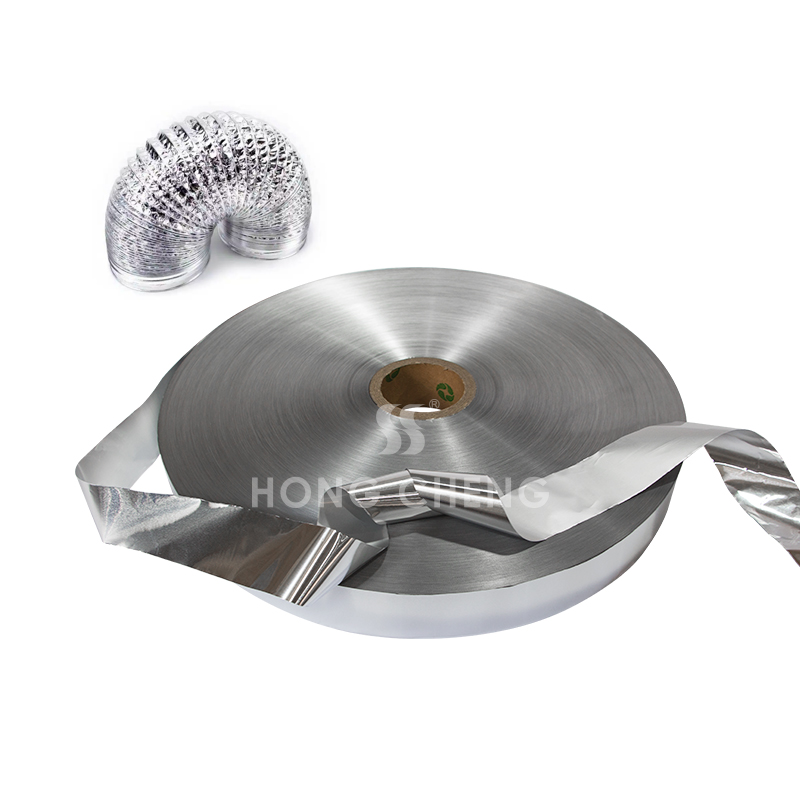
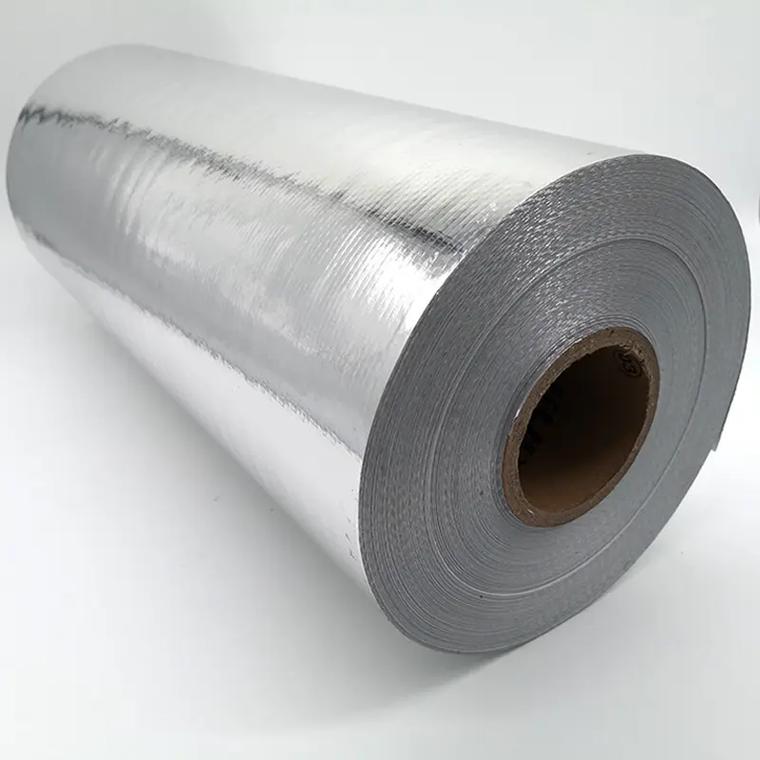
Aluminum Foil-PE Thermal Screens use pure aluminum foil as the reflective layer, bonded to PE film or PE woven fabric. Common constructions are AL/PE and AL/PE woven. They offer the highest reflectivity and excellent thermal resistance, making them ideal for cold-climate winter insulation and high-value flower greenhouses. The trade-off is that pure foil is relatively brittle; repeated folding can create pinholes, so lamination quality matters.
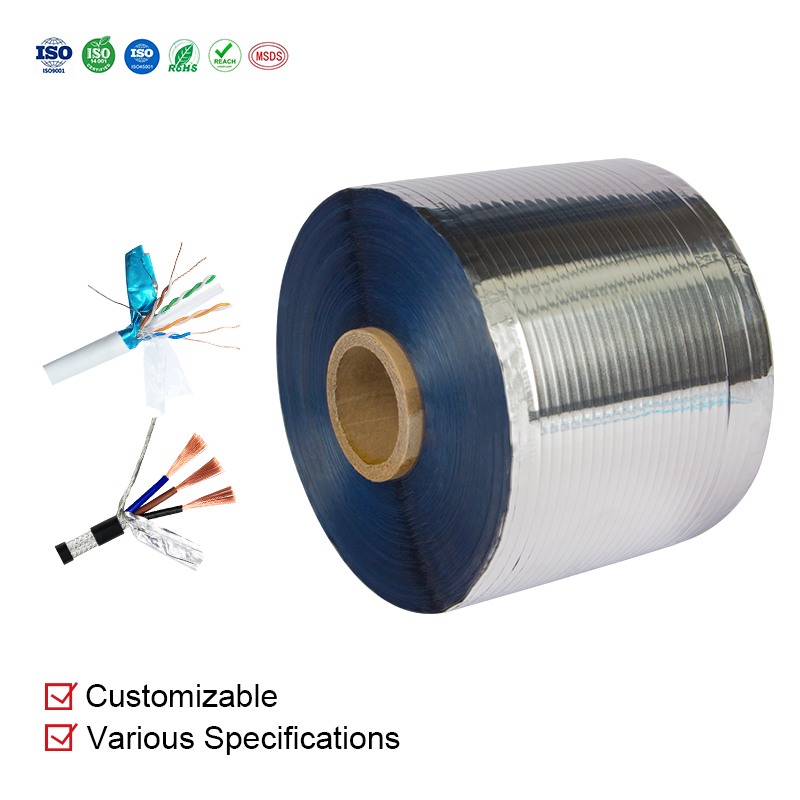
Metallized Film-Woven Thermal Screens use VMPET (vacuum-metallized polyester film) as the reflective layer laminated to PE woven fabric, typically in a VMPET/PE woven structure. These screens are lighter, more flexible, and usually more cost-effective than pure foil alternatives. They are well suited to large-area shading and spring-autumn energy saving. Reflectivity is slightly lower than pure foil, but tear resistance and folding endurance are better.
Foil-Nonwoven Thermal Screens combine aluminum foil with nonwoven fabric. They are light, breathable, and often chosen for nurseries or propagation houses where humidity management matters. Lifespan is generally shorter than foil-PE or metallized woven screens, so they are best for seasonal or temporary installations.
Match the Screen to the Greenhouse Type
Vegetable greenhouses usually cover large areas and operate screens frequently. A metallized film-woven screen in widths of 4 meters or more and a weight of 80–120 g/m² offers a practical balance of shading, durability, and price.
Flower greenhouses are more sensitive to temperature swings and light quality. Aluminum foil-PE screens with reflectivity of 85 percent or higher, installed as movable double-layer systems, can raise nighttime temperatures by 2–4 °C in winter.
Propagation and nursery houses need moderate shading and humidity control. A foil-nonwoven screen or a low-shade metallized screen with 30–50 percent shading is usually enough to prevent seedling stretching.
Select by Climate Zone
Cold northern regions should prioritize thermal insulation. Choose screens with a pure aluminum reflective layer and a total thickness of at least 0.15 mm. Energy savings of 20–35 percent are realistic in these conditions.
Hot and humid southern regions need UV resistance and folding endurance more than maximum reflectivity. Metallized film-woven screens with adequate UV stabilizers are the safer choice, with an expected outdoor service life of 3–5 years.
Coastal areas face salt-fog corrosion. Look for aluminum purity of at least 99.3 percent and a well-sealed composite edge to prevent moisture creep and delamination.
Three Common Buying Mistakes
Mistake 1: Chasing the highest shading rate. A screen rated at 75 percent shading may save only 3–5 percent more energy than one rated at 60 percent, while costing significantly more. Match the shading rate to local light intensity and temperature targets instead of over-specifying.
Mistake 2: Assuming pure foil is always better. Pure aluminum foil reflects more heat, but in sliding screen systems that open and close several times a day, metallized woven screens tolerate repeated folding better and often last longer. The best material depends on how the screen moves.
Mistake 3: Ignoring width and folding method. Greenhouse spans range from 6 to 12 meters. Too narrow a roll means more seams and heat leaks; too wide a roll creates handling and storage problems. The common approach is to match the roll width to the span or use standard 2-meter or 4-meter widths with sealed seams.
Supplier Verification Checklist
- Aluminum layer uniformity: Inspect samples for pinholes, dark spots, or streaks.
- Peel strength: For AL/PE or VMPET/PE constructions, interlayer peel force should be at least 1.5 N/25 mm to avoid bubbling or delamination.
- Tensile strength: Warp and weft tensile values must match the greenhouse span and loading.
- Flame retardancy: Some export markets require certified flame-retardant performance; request test reports before ordering.
- Roll width and diameter: Confirm maximum width, roll length, and whether material is folded for shipment to avoid on-site cutting waste.
Closing Thought
A greenhouse thermal screen is not a case of "thicker and more expensive equals better." The right choice depends on whether the reflective layer, base fabric, and mechanical properties fit the local climate and operating style.
Hangzhou Hongcheng Technology Co., Ltd. specializes in aluminum foil composite materials and PE extrusion laminates. We supply aluminum foil-PE greenhouse thermal screens, metallized film-woven thermal screens, and custom structures with adjustable width, basis weight, and aluminum layer thickness. For samples or technical data sheets, contact us at +86 13758223270 or Email: wendy@hcdxcl.com.cn.
Why Moisture Barrier Liners Are Becoming a Must-Have for Export Container Packaging
VMPET vs Aluminum Foil PE Duct Wrap: Which One Lasts Longer?