Global Green Building Codes Tighten: What It Means for HVAC Duct Facing Materials
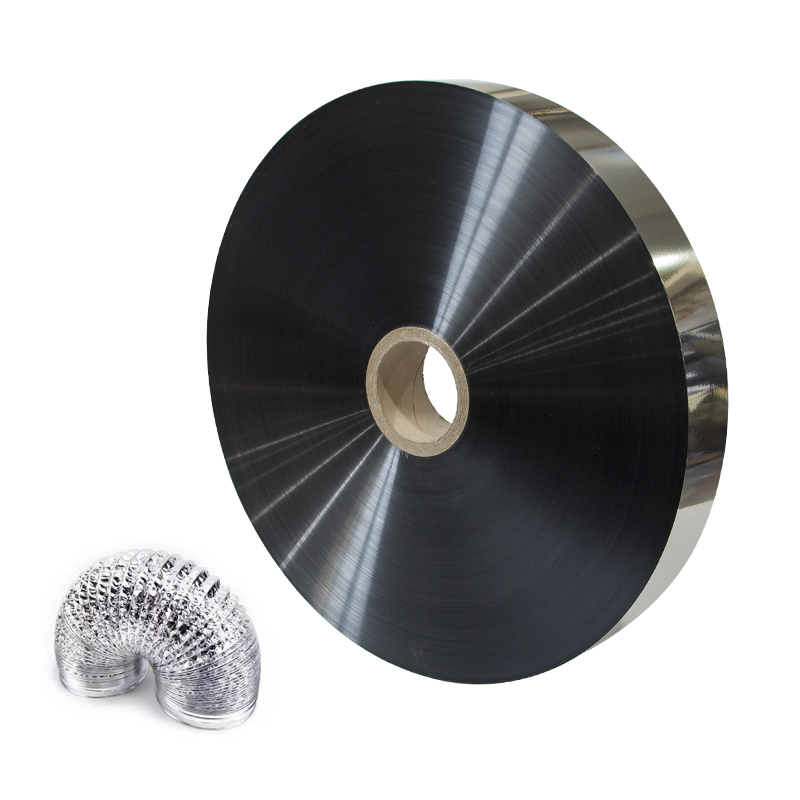
"Last month, a European client sent us an inquiry requiring the aluminum foil facing to come with EN 13501-1 B-s1,d0 fire classification reports. Our standard product couldn't meet that grade, and we nearly lost the order." This is a real concern shared by a procurement manager at an HVAC flexible duct manufacturer. Throughout 2026, fire safety, low-smoke, and environmental requirements for building ventilation system materials have been escalating rapidly across major global markets. From the EU's Construction Products Regulation (CPR) to North America's LEED v5 standards, from China's GB 55037 to the Middle East's Civil Defence certifications, aluminum foil facing — the critical outer layer of flexible ducts — is undergoing a regulation-driven upgrade cycle.
Three converging regulatory forces raising the bar
The year 2026 marks an intense period of updates to green building standards worldwide. In the European Union, the CPR has tightened fire performance requirements for ventilation duct systems. Aluminum foil facing, as a component of duct assemblies, is now assessed under AVCP System 1, which mandates factory production control (FPC) audits by a Notified Body. A simple "declaration of conformity" from a supplier is no longer sufficient — buyers now need facing materials backed by a complete CE certification chain.
The North American market is also in flux. LEED v5 entered its transition and implementation phase in 2026, significantly raising the scoring weight of the Materials and Resources (MR) category. If the outer facing of a flexible duct contains halogenated flame retardants, it directly impacts LEED scoring. The market is pushing material suppliers to develop halogen-free, low-smoke (LSZH) formulations for aluminum foil composite facings.
In China, the GB 55037 "General Code for Fire Protection of Buildings," effective since June 2023, imposes mandatory requirements on the combustion performance of building ventilation ducts. While the code has been in force for three years, 2026 has seen a marked increase in enforcement intensity by local housing and construction authorities. Several provinces have added aluminum foil duct facings to their spot-check lists, meaning domestic duct manufacturers must pay closer attention to the authenticity and validity of their suppliers' fire test reports.
From "one-size-fits-all" to precision matching: the specification fragmentation trend
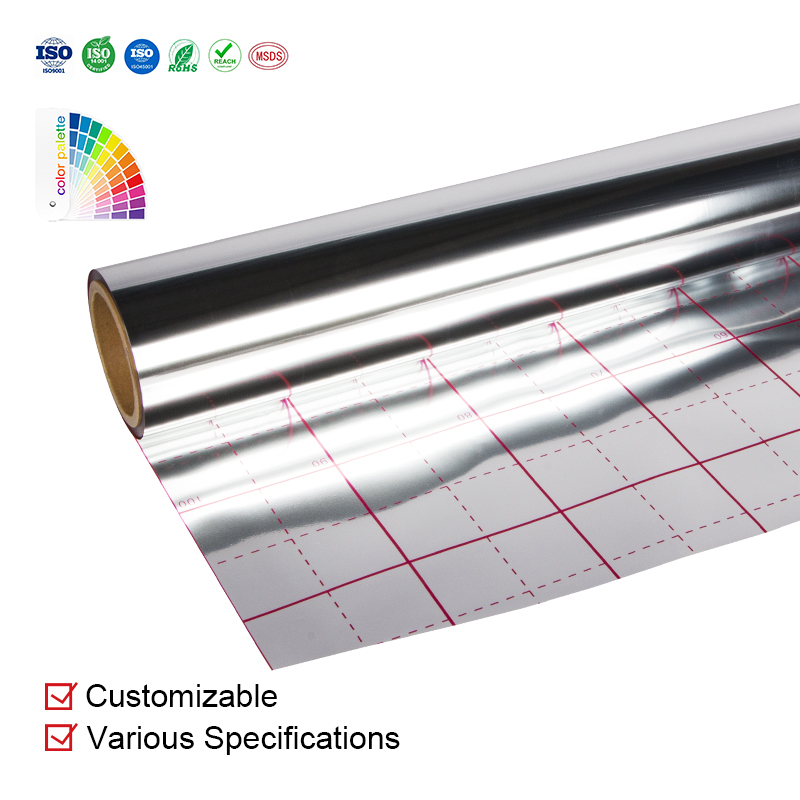
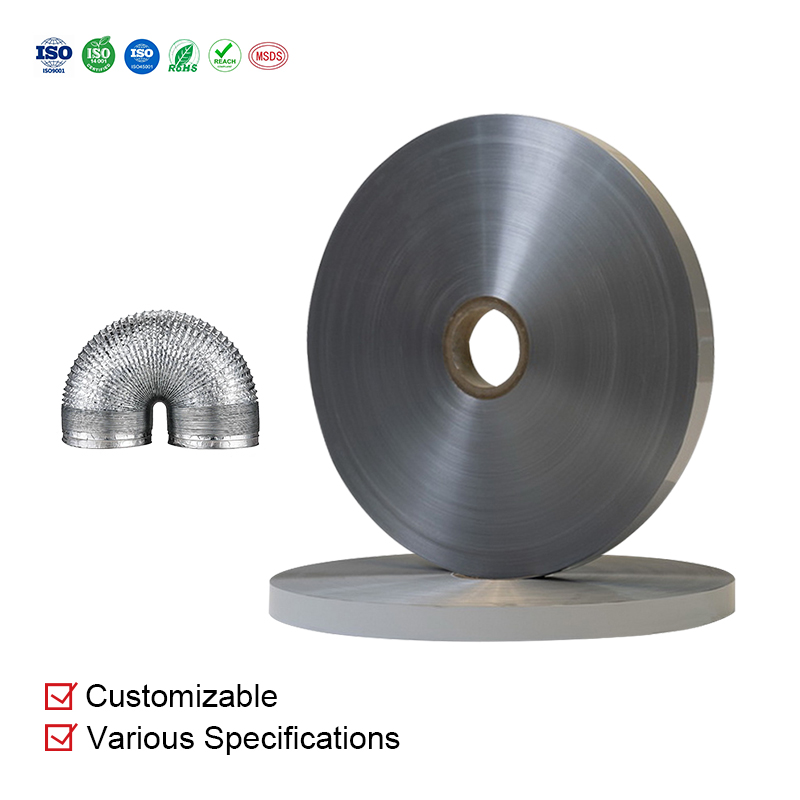
A direct consequence of tightening regulations is that facing material specifications are shifting from generic to highly specialized. Until recently, the mainstream product was a general-purpose AL/PE composite structure with a 7-9μm aluminum foil plus PE extrusion coating, covering roughly 80% of applications. Market data from 2026, however, shows that customized specification orders have risen from 15% to nearly 35% of total volume.
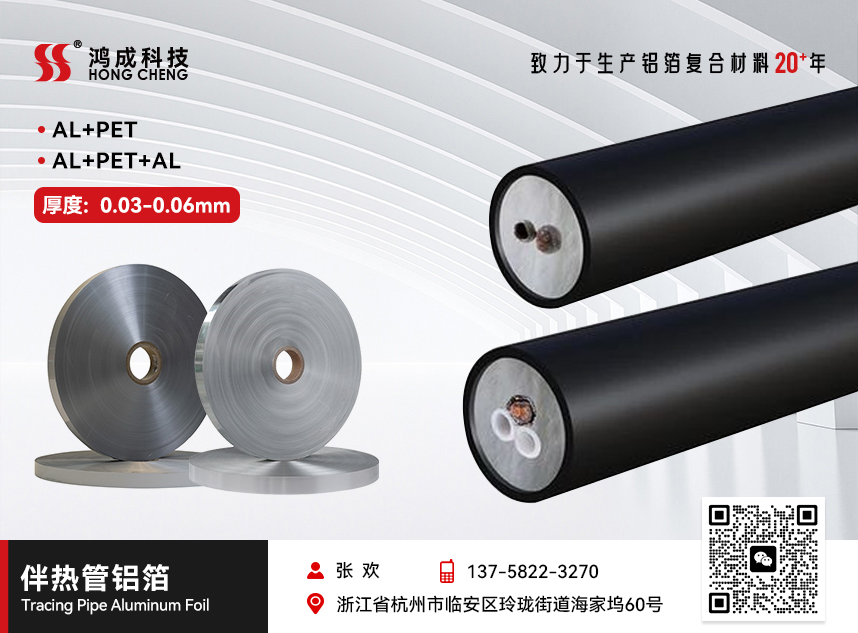
Three trends stand out. First, aluminum layer thickness is polarizing: export orders demanding higher fire ratings gravitate toward 9-12μm foil layers, while cost-sensitive general-purpose orders are moving toward thinner 5-7μm profiles. Second, the PE layer is becoming functionalized — evolving from a simple heat-seal bonding layer into a multi-functional composite that incorporates flame retardancy, UV resistance, and anti-microbial properties. Third, substrate structures are diversifying: AL/PET composite facings are gaining significant traction in the high-end export market, as the PET layer offers better dimensional stability and thermal resistance compared to PE.
Shifting export landscape: the Middle East and Southeast Asia as growth engines
China's HVAC flexible duct export data for the first half of 2026 shows that while Europe and North America remain the largest markets by volume, growth rates there have plateaued. The real incremental demand is coming from the Middle East and Southeast Asia. Saudi Arabia's Vision 2030-driven mega-construction projects, the UAE's mandatory green building certification programs, and Indonesia's new capital city Nusantara development are all generating massive demand for high-quality flexible ducts.
These emerging markets have distinct requirements for aluminum foil facing materials: the Middle East prioritizes high reflectivity (to combat extreme heat) and elevated fire ratings, while Southeast Asia focuses more on moisture resistance, anti-mold performance, and cost competitiveness. For Chinese aluminum foil facing suppliers, this means building a flexible product portfolio — one that includes both CE-certified premium lines for European clients and standardized, cost-effective products for Southeast Asian buyers.
Three common misconceptions
In discussions with flexible duct manufacturers, we have identified three common misconceptions about aluminum foil facings that deserve attention.
Misconception #1: "The thicker the aluminum layer, the better." In practice, foil thickness must be matched to the PE/PET layer and the overall duct structure. An overly thick aluminum layer not only increases cost but may also lead to foil cracking when the duct is bent. The 7-9μm range remains the optimal zone for overall performance.
Misconception #2: "Single-sided facing is sufficient; double-sided is just wasted material." In specific scenarios — such as high-temperature smoke exhaust ducts, high-humidity environments, or industrial ventilation systems requiring dual-sided protection — the double-sided foil facing provides protection that a single-sided product simply cannot replicate. Selection should be based on actual operating conditions, not the principle of lowest cost.
Misconception #3: "As long as there is a fire test report, it is compliant." The validity of a test report depends on the accreditation of the testing body, the consistency between the tested sample and mass-produced product, and whether the certification scope covers the target market's regulatory requirements. Buyers should evaluate a supplier's sustained compliance capability rather than relying on a single piece of paper.
How material suppliers are responding: Hongcheng Technology's approach
In the face of global regulatory upgrades and market fragmentation, the responsiveness of upstream material suppliers determines the competitiveness of the entire supply chain. In the first half of 2026, Hongcheng Technology completed several strategic deployments: in flame retardancy, the company developed a halogen-free FR PE extrusion coating formulation, achieving a Limiting Oxygen Index (LOI) of 28% or above for AL/PE composite facings, meeting EN 13501-1 Class B requirements; in substrate configuration, three main product lines — AL/PE, AL/PET, and PET/AL/PE three-layer composites — have been established, covering the full spectrum from general-purpose to premium export-grade applications; in certification support, the company can provide clients with fire test data aligned with major market standards including EN 13501-1, UL 723, and GB 8624.
For flexible duct manufacturers, aluminum foil facing procurement in 2026 is no longer a simple price-comparison exercise. Regulatory compliance, material performance matching, and a supplier's sustained production capacity and certification support capability are becoming the new competitive differentiators. Choosing the right upstream material partner is choosing the right passport to market access.
+86 13758223270、Email: wendy@hcdxcl.com.cn
Warm Edge Spacer Foil Facing Selection Guide
How to Select Shielding Tape for Energy Storage Battery PACK High-Voltage Cables
Related Article