Which Insulation Board Facing Is Right for You?
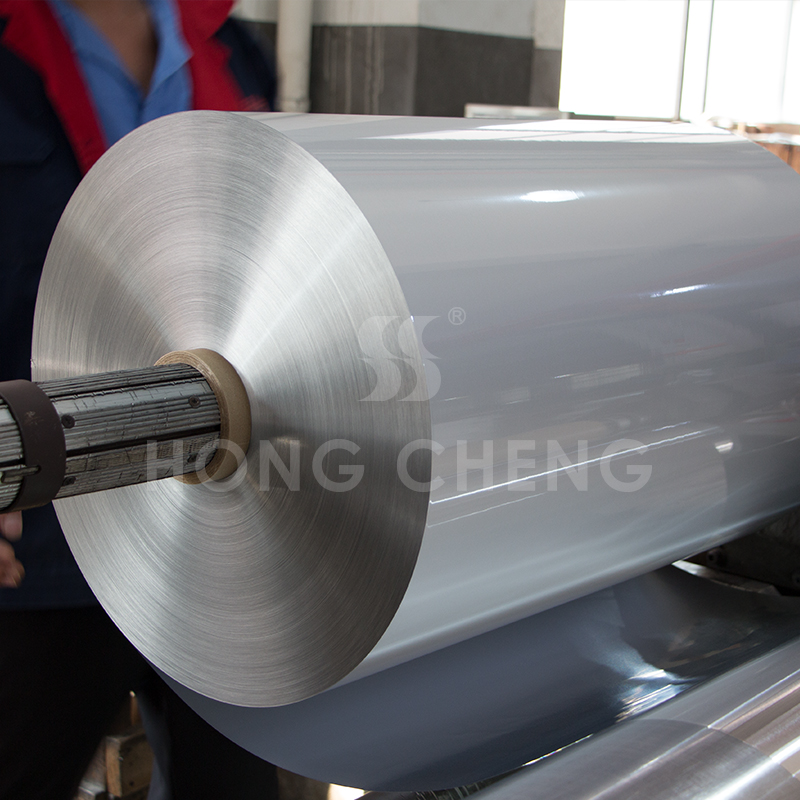
Every insulation board manufacturer faces the same question: which facing material should you choose? The market offers three mainstream options — single-sided AL/PET facing, double-sided PET/AL/PE multi-layer laminate, and VMPET metallized film facing — with prices ranging from low to high and substantial performance differences between them. Choose the right one, and your boards meet specifications with controlled cost. Choose wrong, and you either overpay or face rework and customer returns. This article breaks down all three options from three dimensions: material structure, application scenarios, and key parameters.
1. Structural Differences Between the Three Facing Materials
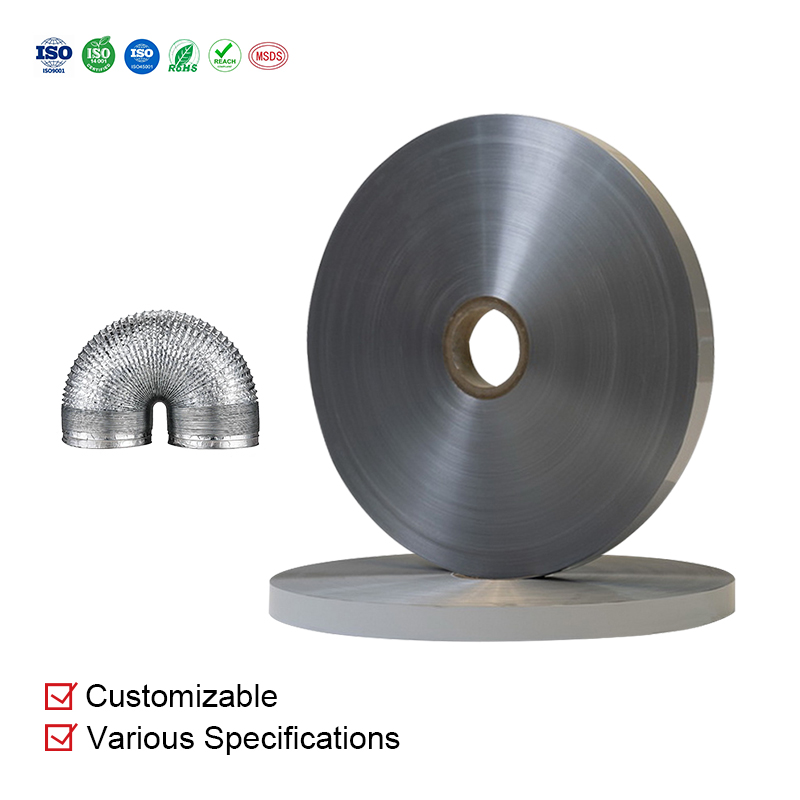
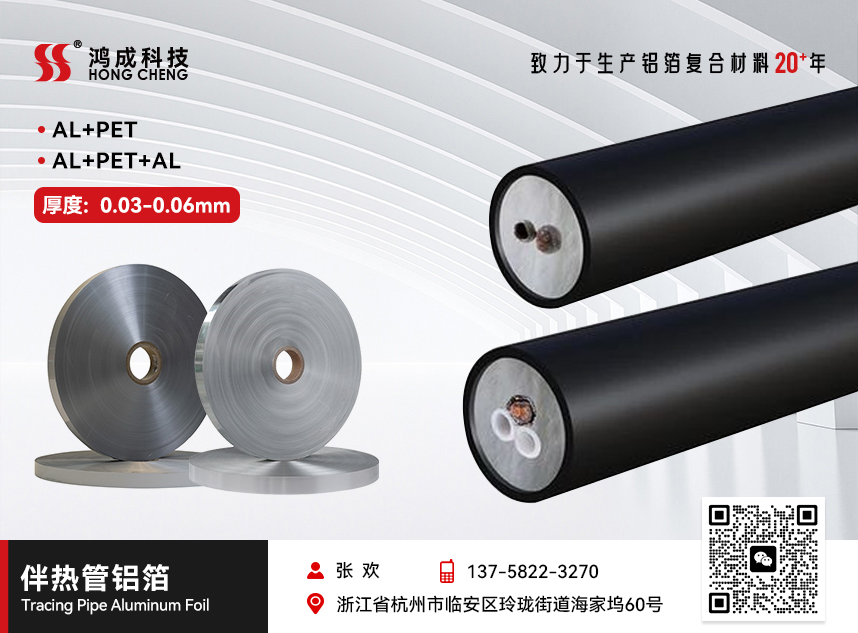
Single-Sided AL/PET Facing: An aluminum foil layer laminated to a PET base film, with the aluminum side facing outward and the PET side facing inward. The aluminum foil provides reflective insulation and moisture barrier functions, while the PET base film serves as the support layer, delivering good tensile strength and heat resistance. Aluminum layer thickness typically ranges from 7 to 12 microns, with PET base film thickness between 12 and 25 microns. This is the most common structure in building insulation facing — cost-effective and suitable for most dry or moderately humid environments.
Double-Sided PET/AL/PE Multi-Layer Laminate: A three-layer structure with PET as the outer protective layer, aluminum foil as the middle barrier layer, and PE extrusion coating as the inner bonding layer. The PET outer layer provides mechanical protection and surface quality, the aluminum foil core ensures reliable moisture barrier performance, and the PE coating bonds to the insulation board core via hot-press lamination. Because the aluminum foil is sandwiched in the middle, it is protected from mechanical damage and delivers more stable long-term moisture barrier performance — ideal for applications with high moisture protection requirements.
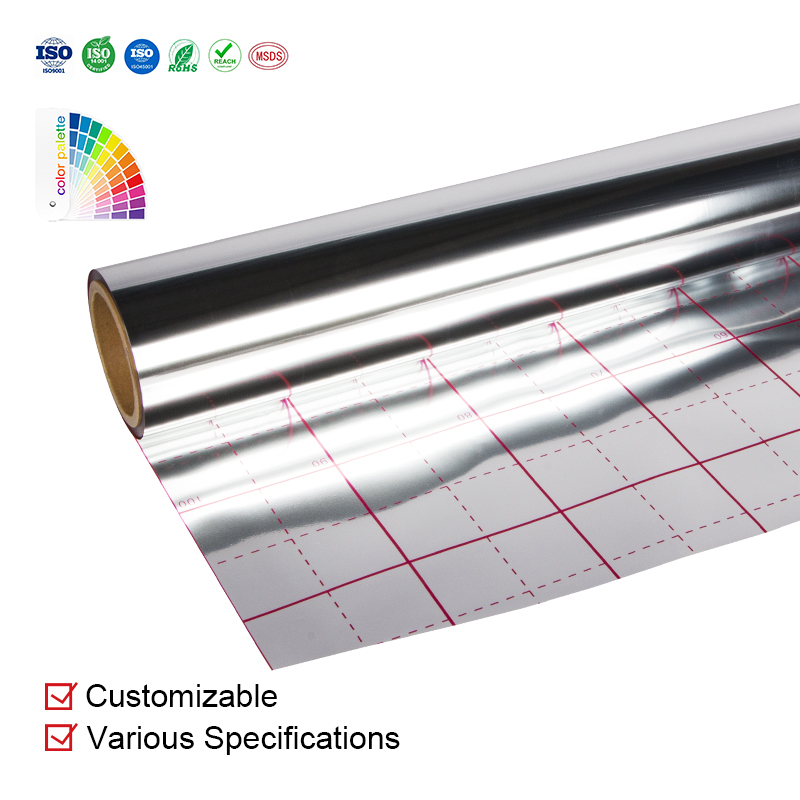
VMPET Metallized Film Facing: A PET base film with a nano-scale aluminum layer (typically 0.02 to 0.05 microns) deposited via vacuum metallization. It has a silver metallic appearance and provides some reflective insulation and moisture barrier properties. VMPET's aluminum layer is extremely thin, resulting in significantly lower material cost compared to pure aluminum foil facing, but correspondingly weaker moisture barrier performance. It is suitable for applications that require reflective insulation with moderate moisture protection, or as a cost-sensitive alternative.
The key difference between the three materials lies in aluminum layer thickness and barrier performance: pure aluminum foil facing (AL/PET, PET/AL/PE) has aluminum layers measured in microns, delivering reliable moisture barrier results; VMPET has an aluminum layer measured in nanometers, offering reflective insulation but limited moisture barrier capability.
2. Matching Material Solutions to Application Scenarios
Rock Wool / Glass Wool Exterior Wall Insulation: The outer side of exterior wall insulation boards faces the atmosphere directly, requiring long-term solar radiation reflection and rainwater blocking. Single-sided AL/PET facing is the optimal cost-performance choice — aluminum side outward, PET side heat-pressed onto the rock wool board. For projects in high-humidity regions or coastal areas, upgrading to double-sided PET/AL/PE laminate is recommended. VMPET is not recommended for this application — its aluminum layer is too thin, and moisture barrier performance degrades noticeably under long-term outdoor UV exposure and high humidity.
Cold Storage Insulation Panels: Temperature differences between inside and outside cold storage can exceed 40°C, creating enormous vapor pressure and the highest moisture barrier requirements. Double-sided PET/AL/PE laminate is recommended — the aluminum foil core is fully protected in the middle layer, delivering stable long-term moisture barrier performance. Single-sided AL/PET facing can be used for medium-low temperature cold storage (above -5°C), but deep-freeze storage (below -18°C) must use the double-sided structure. VMPET is not suitable for cold storage applications.
HVAC Duct Insulation Boards: Duct inner walls are prone to condensation, exposing the facing to prolonged high-humidity conditions. Double-sided PET/AL/PE structure has a clear advantage here — outer PET resists abrasion, middle aluminum foil blocks moisture, inner PE bonds to the board. Single-sided AL/PET is also commonly used for general ventilation duct insulation. VMPET's aluminum layer is too thin for reliable long-term moisture barrier performance under sustained high humidity.
Underfloor Heating XPS / Foam Boards: Underfloor heating insulation boards primarily use the aluminum surface to reflect heat downward, with relatively low moisture protection requirements. All three options work here: single-sided AL/PET is the most common choice with the best cost-performance ratio; VMPET is fully adequate for underfloor heating and is the preferred option for cost-sensitive projects; double-sided PET/AL/PE in this application would be over-specification.
Interior Partition Wall / Ceiling Insulation Boards: Dry indoor environments with minimal moisture protection needs. VMPET metallized film facing offers the best value here — reflective insulation meets requirements at the lowest material cost. Single-sided AL/PET certainly works too, but there is no need to pay extra for pure aluminum foil in dry indoor conditions.
Steel Structure Factory / Warehouse Insulation: Large-span steel structure roof insulation involves large facing areas and high cost sensitivity. VMPET metallized film facing is the most common choice — reflectivity meets thermal insulation requirements while significantly reducing material cost. For projects requiring higher fire ratings or longer service life, single-sided AL/PET can be selected.
3. Three Key Parameters Not to Overlook
First, aluminum layer thickness and pinhole density. For pure aluminum foil facing (AL/PET, PET/AL/PE), aluminum layer thickness directly determines moisture barrier performance. But pinhole density matters even more — a 7-micron aluminum foil with high pinhole density may underperform a high-quality 5-micron foil in actual moisture barrier effectiveness. Request aluminum foil pinhole density test reports from suppliers. For VMPET, focus on metallization layer uniformity and adhesion rather than thickness.
Second, PET base film heat resistance grade. Hot-press lamination temperatures for building insulation boards typically range from 120°C to 180°C. Standard PET film has a long-term service temperature limit of approximately 120°C. If your production line operates at higher hot-press temperatures, verify that the PET base film's heat resistance grade is compatible. High-temperature applications should use heat-resistant PET (long-term service temperature above 150°C).
Third, PE coating melt index compatibility (for PET/AL/PE structures). The melt flow index and hot-press temperature window of the PE coating layer must match the board lamination process at the downstream customer's facility. A PE melt index that is too high causes excess resin squeeze-out during hot pressing; too low results in weak, peel-prone adhesion. Confirm PE coating parameters are compatible with your production line before purchasing.
4. Three Common Purchasing Mistakes
Mistake one: assuming VMPET is the same as aluminum foil. Many buyers hear "metallized" and think it means aluminum foil, but VMPET's aluminum layer is a nano-scale vacuum-deposited film, only a few hundredths the thickness of pure aluminum foil. The moisture barrier performance gap between the two is enormous — they cannot be used interchangeably in high-moisture-protection applications.
Mistake two: judging solely by price rather than structure. The price difference between single-sided AL/PET and double-sided PET/AL/PE comes from structural complexity, not material grade. If a supplier's quote seems too low, verify the cross-section structure — it could be single-sided AL/PET passed off as double-sided, or VMPET passed off as pure aluminum foil facing.
Mistake three: using the same material for every scenario. The three facing materials each have their place: VMPET targets cost-sensitive, low-moisture-protection applications; single-sided AL/PET is the general-purpose choice for most scenarios; double-sided PET/AL/PE is the assurance solution for high-moisture-protection applications. Choose based on actual application requirements rather than a one-size-fits-all approach.
5. Controlling Facing Quality from the Source
As a specialized manufacturer of aluminum foil composite materials and PE laminated composites, Hongcheng Technology supplies single-sided AL/PET facing, double-sided PET/AL/PE multi-layer laminate, and VMPET metallized film facing raw materials for building insulation, cold-chain thermal insulation, and industrial packaging applications. Products can be customized in aluminum layer thickness, PET base film specifications, PE coating grammage, and roll width to match the lamination process requirements of different insulation board production lines.
If you are evaluating your insulation board facing material strategy, or need to stock up for the upcoming construction peak season, please contact us for samples and technical support.
+86 13758223270 | Email: wendy@hcdxcl.com.cn
Techfoil
Precision Instrument Vacuum Packaging for Short-Distance Transport: Woven Foil Laminate Specification Guide
How AI Data Center Growth Is Reshaping AL/PE and VMPET Flexible Duct Facing Demand
Related Article