Coaxial Cable Mylar Tape: Five Purchasing Pitfalls Cable Makers Should Avoid
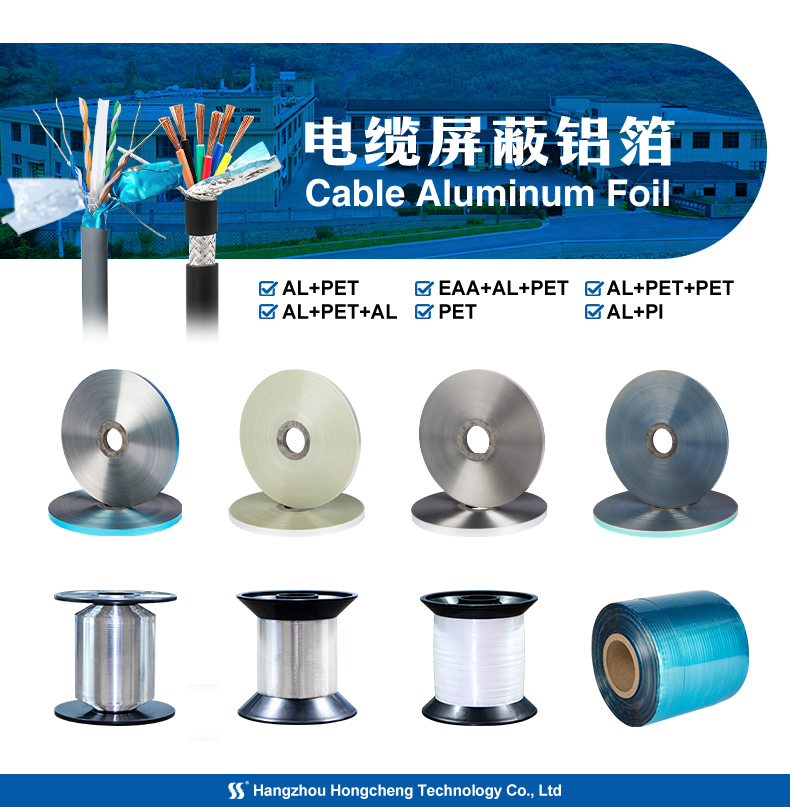
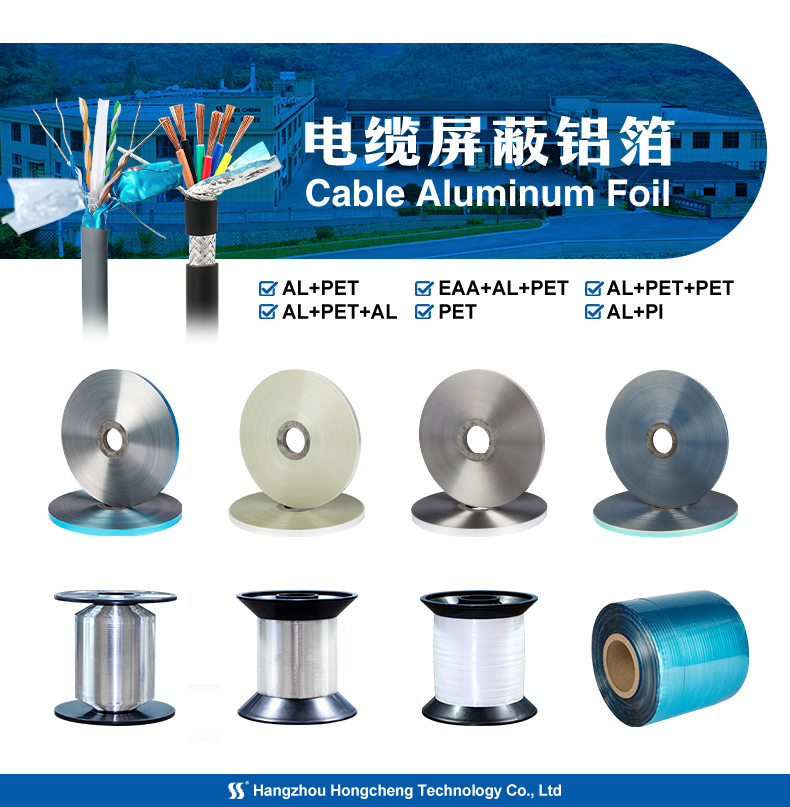
The shielding layer accounts for a small share of coaxial and control cable cost, yet when it fails, the damage is anything but small — failed shielding effectiveness, wrinkled longitudinal wraps, or dielectric breakdown after cabling, and the rework rarely stops at a few rolls. For aluminum mylar tape, the most widely used shielding material in these cables, most purchasing pitfalls are not about price but about specifications left vague and inspections done wrong. As a dedicated supplier of aluminum mylar tape, we have collected the five pitfalls our cable-factory customers have run into, as a practical self-check list for buyers.
Pitfall 1: Specifying "aluminum mylar tape" without stating the structure direction
Aluminum mylar tape comes in two structures: foil-side out and polyester-side out. In longitudinal wrapping, the foil side must face inward to ensure lap conductivity. If the contract does not state the orientation and a swapped batch arrives, the longitudinal wrapper immediately produces laps that fail to bond — and broken shield continuity. The right practice: write the foil/polyester orientation explicitly into the contract, and on receipt, confirm the direction by a simple surface-resistance check on both sides before running the line.
Pitfall 2: Comparing prices while ignoring the foil thickness grade
Not all "aluminum mylar tape" is the same. Foil thickness is supplied within the conventional 6μm to 9μm range, in light and heavy grades (heavy grade = 9μm), with real differences in both cost and shielding performance. Some quotations deliberately omit the foil grade; buyers win on price, then find the high-frequency attenuation figures will not hold. Put three parameters into the contract together — foil grade, total thickness, and polyester thickness — and gauge-check three points per incoming roll, so that a roll with correct total thickness but reduced foil cannot slip through.
Pitfall 3: Overlooking heat-seal layer quality, then fighting open laps after wrapping
Mylar tape usually carries a heat-seal layer; the longitudinal lap is closed by heated forming mandrels. Uneven coating or a narrow heat-seal window shows up as laps opening once line speed rises — a direct break in shield continuity. Do not stop at peel-strength testing: run a short trial on the actual wrapper at production speed and mandrel temperature, and check whether the lap stays closed when pulled. Ten minutes of trial wrapping can save a whole batch from failing the shield continuity test.
Pitfall 4: Confusing slitting specs for longitudinal-wrap and overlap-wrap tape
Coaxial cables use longitudinal wrapping; some control cables use overlap wrapping, and the two demand different slitting widths, core sizes, and edge quality. Tape slit to overlap-wrap specifications will wander and break on a longitudinal wrapper because of edge burrs and width tolerance. State the application (longitudinal or overlap wrap), slitting width and tolerance, and core size in the purchase order, and require burr-free roll edges and consistent winding tension on every roll.
Pitfall 5: Inspecting only the first roll, not batch-to-batch consistency
What hurts most in shielding material is not one bad roll but drift between batches — this one runs beautifully, the next one wrinkles, and the line burns its time re-tuning around material variation. Set up a sealed-sample comparison routine: keep a sample from every batch, and when a new batch arrives, compare appearance against the light, compare thickness, and trial-wrap one length. If the deviation is obvious, talk to the supplier before running the material. Stable supply matters more than one excellent roll.
An Incoming Inspection Checklist You Can Hand to the Line
To turn the five pitfalls above into daily practice, here is a simple incoming inspection routine many of our cable-factory customers use. It takes less than twenty minutes per batch and catches the vast majority of shielding material problems before they reach the wrapper.
Step one: check the roll edges. Look at the slit edge of each roll under normal lighting. Edges should be clean and burr-free; visible burrs or a wavy edge mean slitting problems that will cause wandering and breakage on the longitudinal wrapper. Check two or three rolls per batch, not just the top one.
Step two: confirm the structure direction. Using a multimeter on the resistance range, touch both sides of the tape. The conductive side is the aluminum face and must be wound inward. This ten-second test prevents the most disruptive mistake of all — running a full shift with the foil facing the wrong way.
Step three: measure the foil grade. Use a micrometer to measure total thickness at three points across the roll, and compare against the contract value. If total thickness is within tolerance, the sum of foil, polyester and adhesive layers should still leave room for the stated foil grade; a roll that is thin on the foil layer will usually show it when compared against your sealed sample under a light.
Step four: trial-wrap one length. Run a short length on the actual wrapper at production speed and mandrel temperature. The lap should close continuously, hold under a light pull, and show no wrinkles or lifting. This is the only test that truly reflects heat-seal behavior on your line.
Step five: compare against the sealed sample and file it. Lay the new batch beside your retained sample, compare appearance against the light, note the roll numbers, and keep a short length in a labeled bag. Batch-by-batch records turn supplier quality from a feeling into a fact — and give you solid ground if a dispute ever arises.
A Closing Note
Purchasing aluminum mylar tape is essentially about locking five variables — structure direction, foil grade, heat-seal behavior, slitting specifications, and batch consistency — into the contract and the incoming-inspection routine. It also pays to start with a complete inquiry: state the cable type, the wrapping method, the foil grade and total thickness, and the slitting width and core size up front. Most disputes trace back to a one-line inquiry that left the supplier no choice but to quote a generic specification.
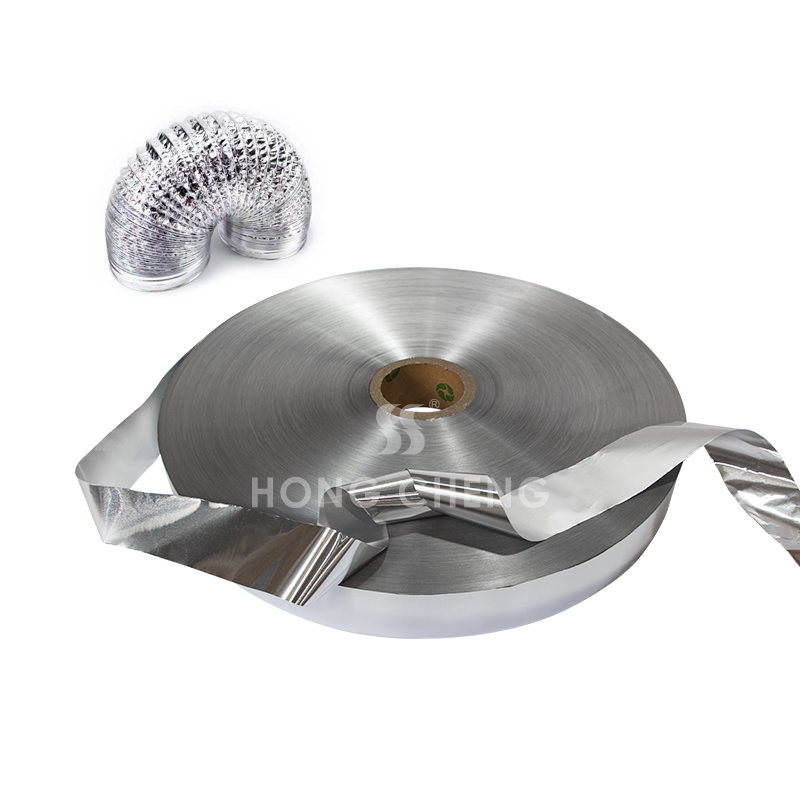
Hongcheng Technology manufactures aluminum mylar tape, AL/PET shielding tape and foil-polyester laminated tapes for cable shielding applications, with custom widths, structures and grades. As a raw material supplier we do not make finished cables, but we are glad to work through the specification with cable makers and keep your batches consistent.
Double-Sided Foil Laminate: Five Purchasing Pitfalls Duct Manufacturers Should Avoid
How to Judge Luggage Lining Film Quality: Five Checks and Three Pitfalls for Bag Makers