How Bag Converters Choose Materials for Container Moisture Barrier Liners: Three Routes and a Three-Step Method
Bag converters who make container moisture barrier liners know this inquiry well: a trading company needs full-container liners for a machinery shipment, the moisture protection must hold, and the goods must arrive at the destination port free of condensation damage. Before quoting bag dimensions and material consumption, the first decision is not the bag pattern — it is the material route. If the route is wrong, even the neatest bagmaking cannot prevent a damage claim. This article breaks down the sourcing logic from a converter's perspective: three material routes, a three-step method for fixing the structure, five hard indicators to check before ordering, and three common misconceptions.
Three Material Routes
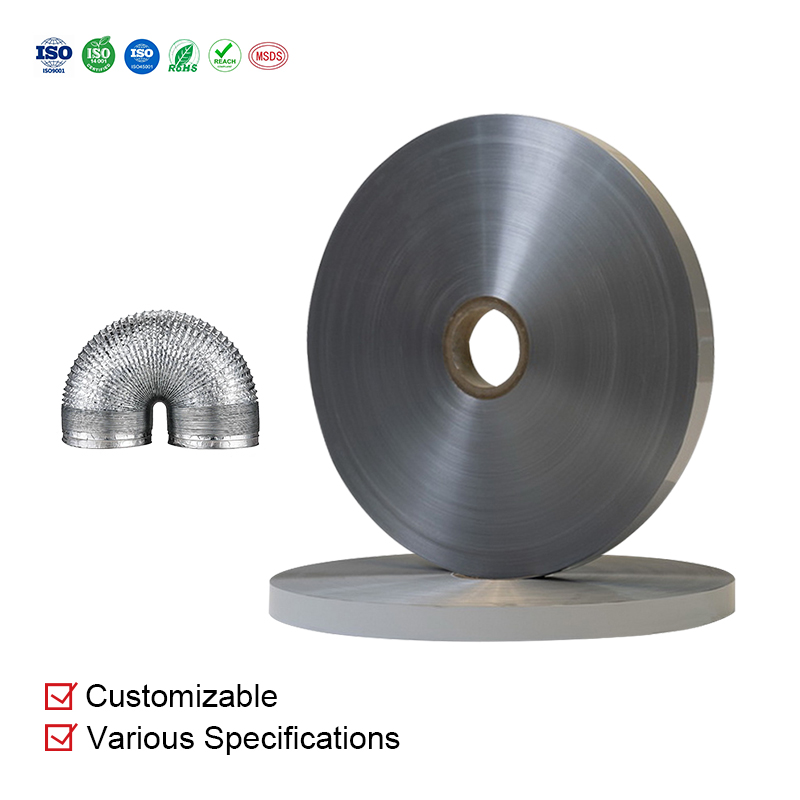
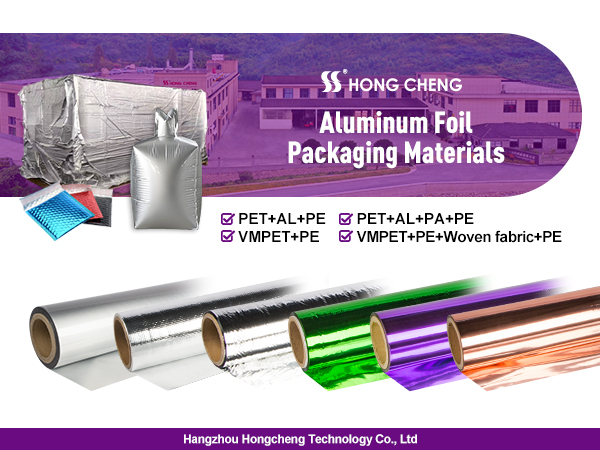
Route 1: Aluminum foil woven fabric laminate. Pure aluminum foil serves as the barrier layer, laminated with woven fabric for tear and puncture resistance, with an inner PE layer for heat sealing. Of the three routes it offers the highest barrier grade, which suits deep-sea routes and high-value cargo — machinery, metal castings, chemical raw materials. Aluminum foil is commercially supplied in 6 μm to 9 μm; for liners the 9 μm heavy grade is recommended, giving steadier barrier performance and better flex-crack resistance.
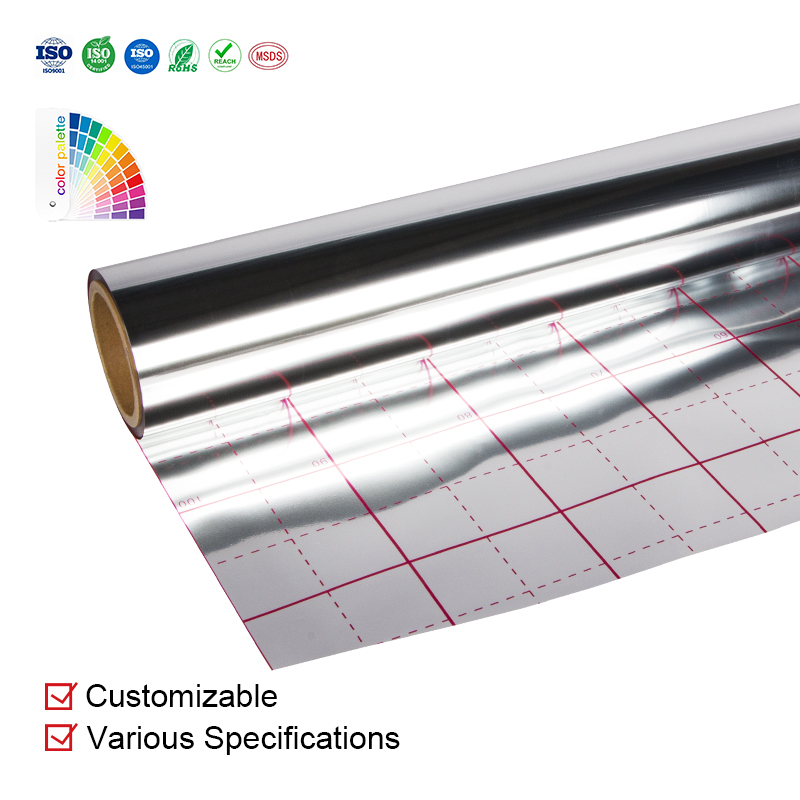
Route 2: VMPET woven fabric laminate. Replacing pure foil with vacuum-metallized PET film cuts cost noticeably and handles more softly, but delivers only a fraction of the barrier of aluminum foil. It is the cost-effective choice for orders with moderate moisture protection needs and frequent loading and unloading — plastic products, hardware, and paper goods.
Route 3: AL/PE two-ply laminate. A light, soft, economical structure without woven fabric, suitable as secondary packaging — wooden crate liners and equipment covers for precision instruments. For full-container liners carrying heavy cargo it lacks puncture resistance, so choose it with care.
The rule is simple: look at how moisture-sensitive the cargo is, what it is worth, and how long the voyage takes. Fix the route first, then discuss the price per square meter.
Step One: Quantify the Moisture Exposure
Two questions decide the barrier grade. First, the cargo's hygroscopic behavior: metal parts fear salt fog and surface rust, electronics fear moisture ingress, and powders cake and spoil once they absorb water. Second, the voyage length: ten-odd days on near-sea lanes and thirty to forty days on deep-sea lanes make completely different demands on the barrier. For long, humid deep-sea routes, choose the pure foil structure; on shorter routes, metallized film is usually sufficient. A practical habit is to get the route and transit time from the customer in writing, then size the barrier grade against those facts rather than against memory or habit.
Step Two: Specify the Mechanical Layers
Woven fabric grammage commonly runs from 120 g/m² to 180 g/m². Higher grammage means better tear resistance, but the cost rises with it; at equal grammage, the warp-and-weft density has a more direct effect on puncture resistance. For the PE sealing layer, insist on virgin LDPE or LLDPE. Blends with recycled content produce brittle seals, and those seals are the first to fail during hoisting and filling.
Step Three: Fix the Bag Type and Width
Size the liner to the container: 20-foot, 40-foot and high-cube containers each have matching widths and bag styles, and tubular rolls are heat-sealed into curtain-style or full-enclosure liners. When the width does not match, crews cut and join panels on site, and every joint becomes a vapor leak path. Ordering container-specific slit widths from the material mill means less waste, fewer seams, and faster installation.
Five Hard Indicators Before Ordering
Peel strength: at least 1.5 N/15 mm. If the plies separate in one full-face hand pull with foil dusting off, reject the sample outright.
Seal strength: the baseline is that a seal cannot be opened by hand and the seal width is even; for heavy-duty liner bags, a reference of 15 N/15 mm and above, tested to QB/T 2358 or ASTM F88.
Water vapor transmission rate: fix the test conditions and the value in the contract — never rely on a verbal "high barrier" claim.
Puncture and tear resistance: judge by the woven fabric's grammage and weave density, not by the total film thickness.
Pinhole rate: unroll the film against a light source; cloudy, pinhole-dense patches are grounds for rejection, and the sampling method belongs in the contract.
Three Common Misconceptions
Misconception 1: brightness means barrier. Metallized film looks bright while pure foil is matte; brightness and barrier performance are unrelated. The reliable checks are the light-table pinhole inspection and a manual peel test.
Misconception 2: thicker means stronger. Thickness is not strength. Puncture resistance comes mainly from the woven layer, barrier comes from the foil layer, and a sensible structure beats simply thickening one layer.
Misconception 3: comparing price per square meter only. Three-ply and two-ply structures, foil and metallized film — their quotes naturally differ by a wide margin. Break each quote into four items: structure, layer grammage, peel strength and seal strength, then compare like with like. Only that comparison means anything.
Three Practical Actions for Converters
First, run the three-step routine — sample approval, first-article inspection, batch sampling — and write every key indicator into the contract. Second, perform four actions on every incoming batch: gauge the thickness, weigh for grammage, run a peel, and trial-seal a bag; half an hour produces a conclusion. Third, favor a source mill with its own laminating lines that ships test reports with the goods, can slit widths to container specification, and responds quickly when problems arise.
A container liner order tests more than bagmaking skill — it tests sourcing judgment. Get the material route right, and every labor hour that follows is well spent.
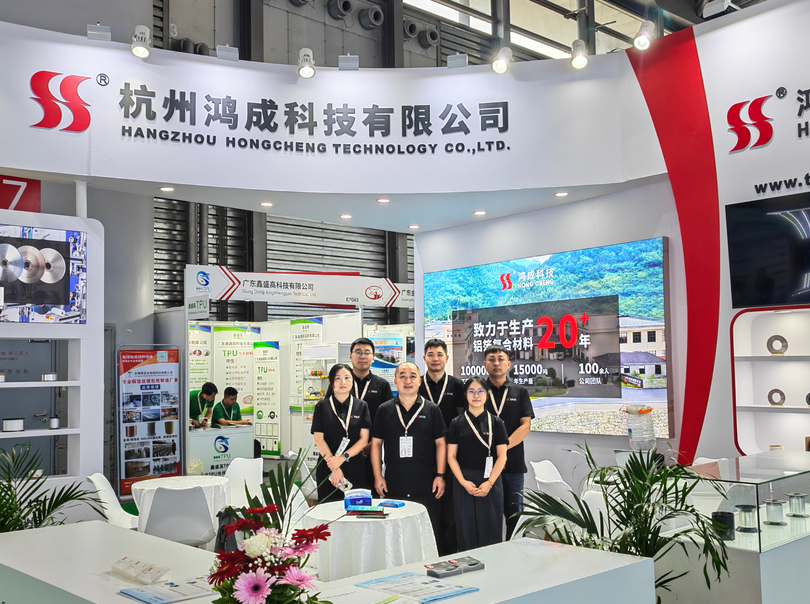
Hangzhou Hongcheng Technology specializes in aluminum foil composite materials and PE extrusion-coated laminates, and is a source manufacturer of aluminum foil woven barrier laminates, VMPET container liner laminates and AL/PE moisture barrier films. Custom widths, thicknesses and structures are available, with fast sampling and test reports shipped with the goods. Contact us to discuss your next liner project.
Techfoil +86 13758223270 Email: wendy@hcdxcl.com.cn
Underfloor Heating Reflective Film: How Installers and Distributors Choose by Application Scenario
Related Article