How Is Flexible Duct Facing Laminate Made?
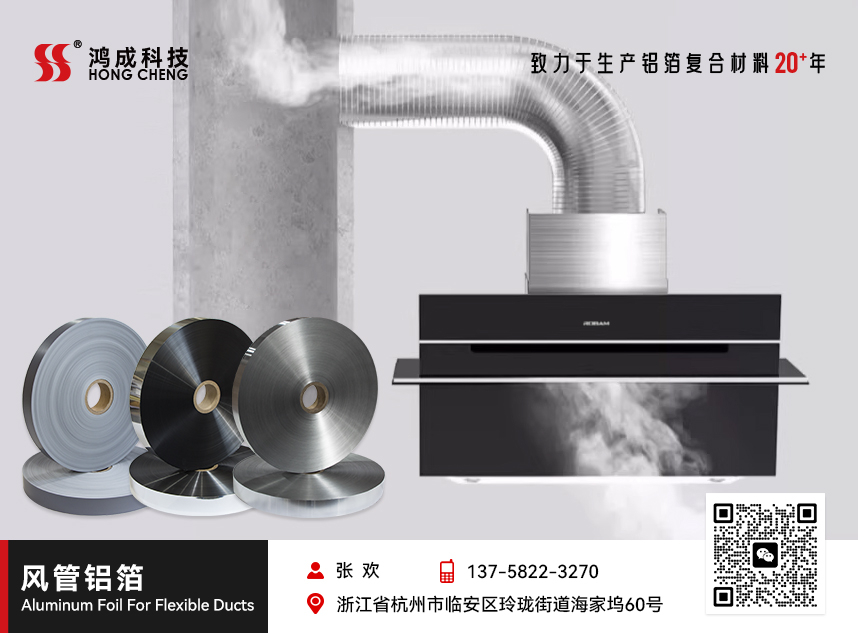
Steps Every Duct Manufacturer Should Know
Two suppliers quote the same flexible duct facing laminate at noticeably different prices per square meter. The material name is the same, the thickness on the spec sheet is the same — so where does the gap come from? In most cases, the answer is not on the spec sheet at all. It lies in the production process. For purchasing staff at duct manufacturing plants, understanding how a laminate roll is actually made — from raw material to outgoing inspection — is the most practical way to judge quotations, evaluate samples, and avoid being misled by cheap first submissions. This article walks through the four main production steps of flexible duct facing laminate in plain language.
Step 1: Substrate Preparation — Choosing the Metal Layer and the PE Layer
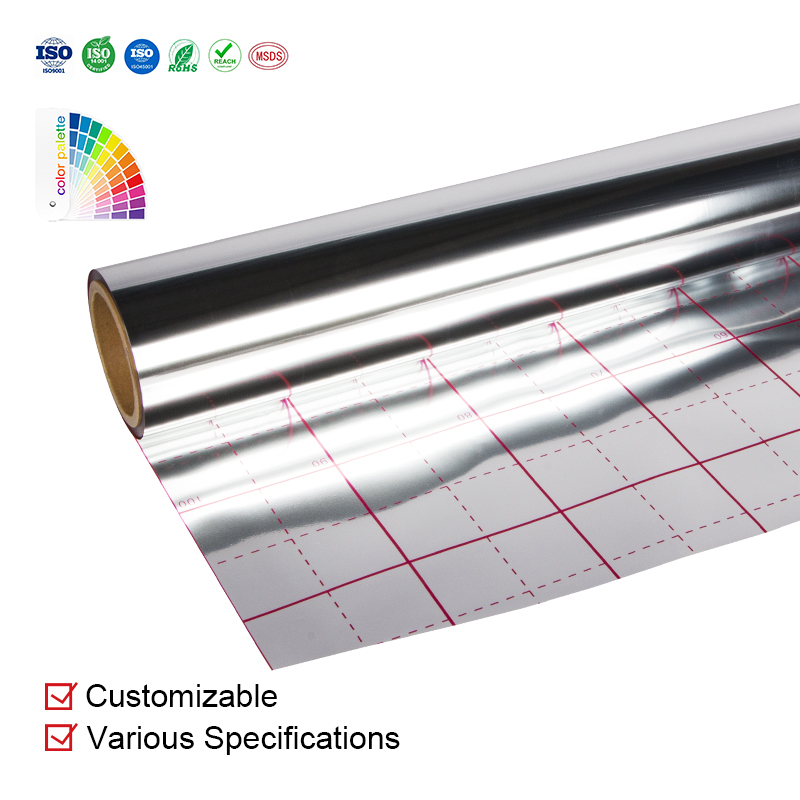
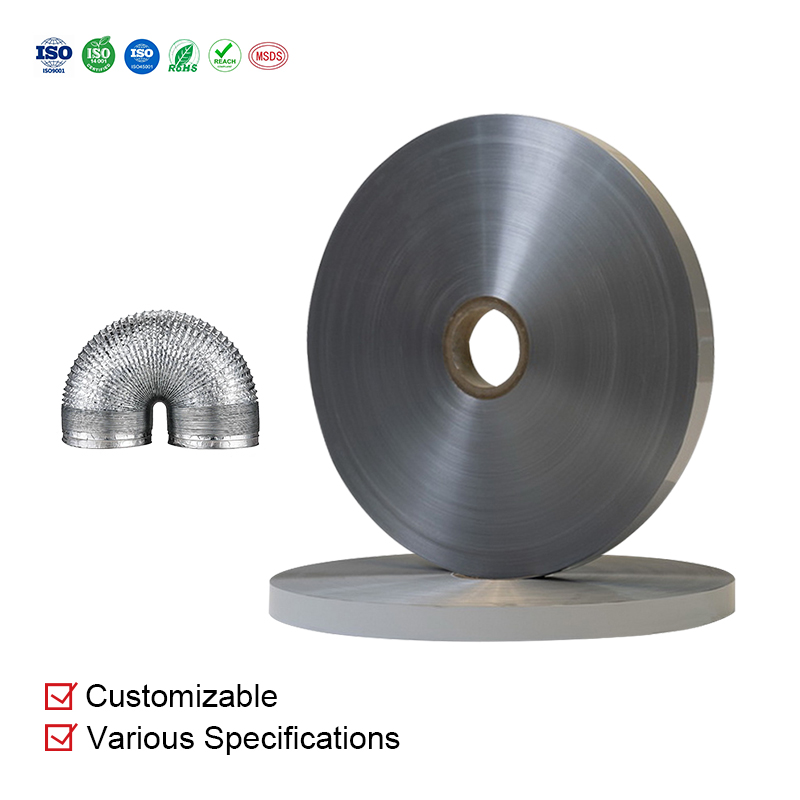
The body of a duct facing laminate is a combination of a metal layer and a PE layer. There are two mainstream routes for the metal layer. The first is pure aluminum foil, commonly supplied in the 6 μm to 9 μm range; where higher moisture barrier and heat reflection are required, duct makers typically specify the thicker 9 μm grade. The second is metallized film (VMPET), which is produced by vapor-depositing a thin aluminum layer onto a PET substrate. It is lighter and more cost-efficient, and suits duct structures where barrier requirements are moderate and weight savings matter. Neither route is absolutely better; the right choice depends on the working conditions of the finished duct.
On the PE side, what matters is the pellet grade. The resin grade directly determines the softness of the finished film, its heat-sealing behavior, and its resistance to aging. Two films both labeled "PE" can differ visibly in feel, fold endurance, and service life depending on the resin used. This is one of the first hidden sources of price differences between otherwise identical-looking products.
Step 2: Lamination — Dry Bonding vs. Extrusion PE Coating
Turning the metal layer and the PE layer into a single laminate is done through two main processes. In dry lamination, adhesive is applied to the substrate, solvent is evaporated in a drying oven, and the layers are then bonded under heat and pressure. This route suits multi-layer structures. In extrusion coating, molten PE is cast directly onto the metal layer surface, so the PE layer and the substrate are formed in one pass. The result is a film with uniform layer thickness, no adhesive residue, and low odor.
The two processes can produce films that look almost identical on the surface, yet the way the layers bond is mechanically different, which shows up in softness, fold endurance, and odor performance. This is why duct manufacturers should always confirm a supplier's process route before comparing prices. Putting a dry-laminated film and an extrusion-coated film side by side and comparing only the unit price is, quite simply, an unfair comparison — and one that often leads to the wrong purchasing decision.
Step 3: Curing — Freshly Laminated Rolls Are Not Ready for Use
After lamination, rolls must rest under controlled temperature conditions for a defined period so that the PE layer and the adhesive fully cure and internal stresses are gradually released. This step never appears on a quotation, yet it has a direct impact on quality. Under-cured film shows unstable bond strength, wrinkles easily during slitting, and may delaminate when the duct skin is formed on the machine. This is also why "shipped straight off the machine" bargain rolls carry real risk: what looks like saved time is actually sacrificed consistency. A supplier who insists on proper curing is protecting the buyer's production line, not delaying the order.
Step 4: Slitting, Rewinding, and Outgoing Inspection
Master rolls are slit into the widths each duct plant needs. The critical quality point here is edge condition: burrs from slitting cause breaks and web wandering on the duct-forming machine, while uneven edges lead to inconsistent winding tension and unstable unwind. Before shipment, three basic checks are standard: visual appearance (wrinkles, scratches, stains), grammage against the order specification, and peel strength between layers. A well-run factory also keeps inspection records for every batch, ensuring consistency from one delivery to the next. For duct plants that reorder continuously, this matters enormously — a batch that runs well followed by one that doesn't costs far more than the few cents per square meter saved at negotiation.
What Buyers Can Do With This Knowledge
First, interrogate the price. Match every quotation difference to a process reason: metal layer grade, PE resin grade, process route, curing time, inspection investment. Each item carries cost, and a price gap that can be explained is a price gap that can be trusted. Second, evaluate samples with three quick checks: view the film against light to assess uniformity and pinholes, tear it apart to check bond strength, and run a finger along the slit edge to feel for burrs. These three steps filter out most problem rolls before they ever reach your production floor. Third, ask every supplier the same three questions: which substrates do you use, which process route do you run, and which outgoing inspections do you perform? A buyer who consistently asks these questions is very difficult to mislead with low-price tactics.
One Common Misconception Worth Breaking
Same thickness does not mean same film. What keeps a duct facing laminate stable in production is adequate foil thickness, reliable PE resin, and disciplined process and batch control — none of which shows up as a single number on a quotation. Buyers who understand the four steps above can see through the spec sheet to the discipline behind it, and that perspective is worth more than any discount.
Work With a Manufacturer Who Can Explain the Process
Hangzhou Hongcheng Technology specializes in aluminum foil laminates and PE-coated composite materials, supplying duct manufacturers with AL/PE laminates, VMPET metallized structures, and other duct facing materials in custom widths and structures. If you would like samples or a process-based comparison for your next order, contact us directly.
+86 13758223270 Email: wendy@hcdxcl.com.cn
Shade Net Material Selection by Application: A Buyer's Guide for Greenhouses and Outdoor Covers
How to Judge High-Temperature Shield Tape for Motor Lead Wire
Related Article