How to Choose Equipment Vacuum Packaging Film: Start by Sorting Machines by Type and Packaging Format
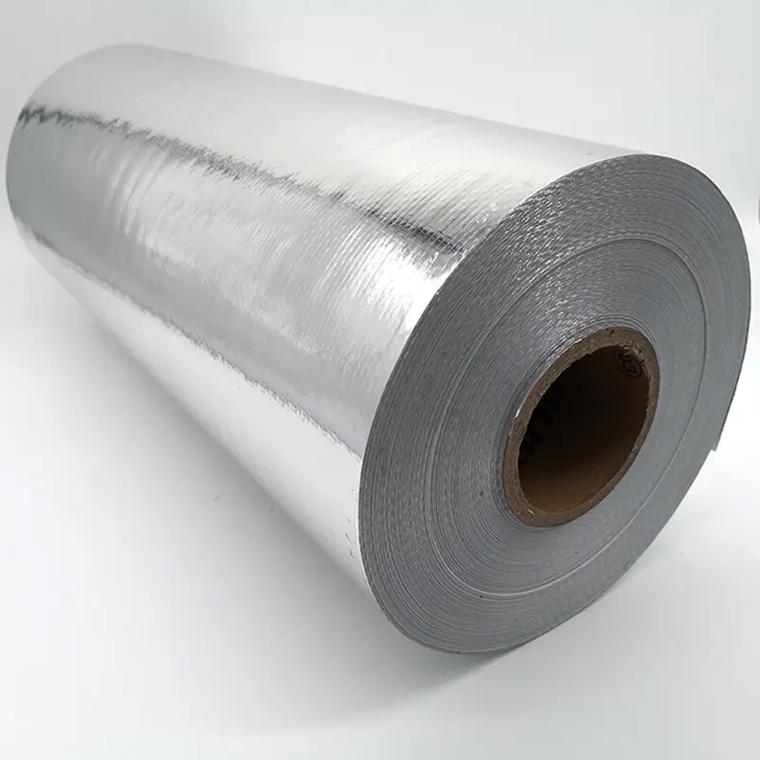
Factories that vacuum-pack machinery and build wooden crate linings often run into the same puzzle: vacuum sealing works perfectly for small precision instruments, but when the next job is a two-ton CNC machine, the film tears over an edge or the seal starts leaking. The cause is rarely the film itself. More often, the machine type and the packaging format were not treated as two separate variables when the structure was specified. As a supplier of aluminum-plastic laminate raw materials to vacuum packaging converters and crate lining processors, we would like to break the selection logic down by real-world scenarios.
Why Machine Type Determines Film Structure
Vacuum packaging of equipment has to pass three tests at once: barrier (moisture must stay out), mechanical (the film must conform to sharp corners and lifting stress points under vacuum without tearing), and sealing (the vacuum port seal must hold over the full shipping period). Machines differ enormously in weight, edge sharpness, surface treatment and transit time, so the weighting of these three tests differs too. Asking a supplier for a generic "moisture barrier film" specification squeezes three variables into one, and problems follow naturally.
Four Machine Categories, Four Material Routes
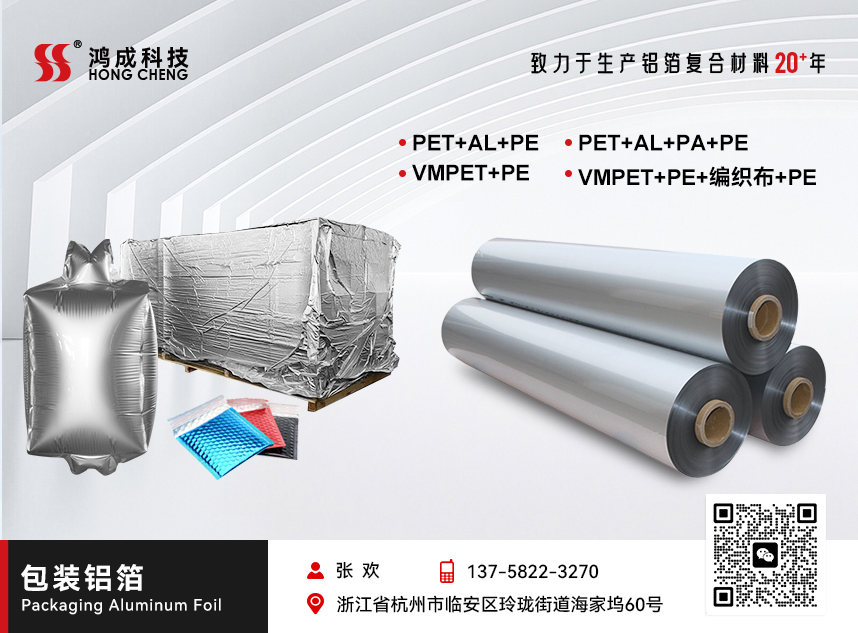
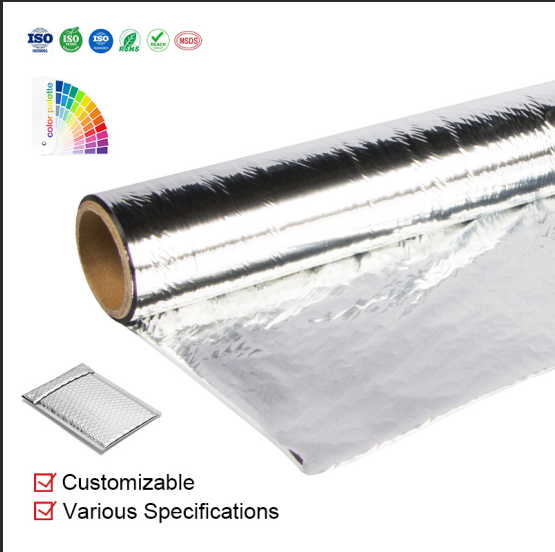
Category 1: Small and mid-size precision instruments and electrical cabinets. These units usually weigh a few hundred kilograms or less, with sheet-metal folded edges that distribute vacuum load fairly evenly across the film. A three-layer PET/AL/PE laminate is the recommended route: the PET layer provides tensile strength and stiffness, the foil layer delivers low WVTR, and the PE layer handles heat sealing. The foil is supplied in conventional thicknesses of 6μm to 9μm; the standard grade covers most ocean transit periods, while long lanes to South America or the Middle East can specify the heavy grade (9μm). Confirm the width and slitting plan with the material supplier before production so the vacuum port lands cleanly and avoids field re-sealing.
Category 2: Large machine tools and CNC equipment. Heavy bases and sharp edges concentrate stress on small areas of film, where ordinary laminates are easily punctured during pull-down. For these, a VMPET woven fabric laminate is the better route: the woven layer carries puncture and tear resistance, the metallized layer provides barrier, and the structure works together with crate bearers and corner protectors. Keep in mind that a metallized layer transmits more vapor than pure foil, so any corrosion-sensitive area of the machine should be wrapped locally in VCI bags or anti-rust paper. Separate the main barrier from localized protection instead of asking one film to do everything.
Category 3: Wooden crate linings for export. Lining film does not carry vacuum load. Its job is moisture separation and keeping sawdust and fumigation chemicals off the machine surface, so the key parameters are width coverage and PE layer gauge. A two-layer AL/PE laminate is sufficient and costs less than woven structures. Match the lining to the crate cavity with a sensible allowance: too loose and it chafes during transit, too tight and crate splinters cut it during loading. When paired with fumigated crates, confirm the PE layer's tolerance to fumigant residue.
Category 4: Long-term storage and multi-leg transshipment. Long packaging periods and repeated handling mean a punctured bag may go unnoticed until the machine reaches the destination warehouse. Build redundancy into the whole package: a pure foil laminate as the main barrier, an outer woven fabric layer for mechanical protection, and a humidity indicator card inside. A torn film is not the real danger; a torn film nobody knows about is. The humidity card is the alarm.
Three Procurement Points for Vacuum Packaging Converters
First, put the machine type, weight and transit route on the inquiry sheet. There is no universal "best" for WVTR, peel strength or seal strength — only what fits a specific machine. Incomplete information leaves the material supplier unable to pin down the right structure.
Second, write the key parameters into the contract. State the foil thickness explicitly using the conventional 6μm to 9μm range with the grade identified. Agree on a peel strength of no less than 1.5N/15mm, verify seal strength against your own vacuum equipment's sealing window, and add a puncture-resistance figure for woven structures. On incoming inspection, distinguish pure foil from metallized film with a surface resistance measurement so structures are never mixed up.
Third, keep reference samples to control batch-to-batch consistency. Vacuum packaging is the last line of defense before a machine goes to sea. One batch with weakened lamination can cost an entire machine, not a few rolls of film. Establish a sealed-sample system with your supplier and compare first, middle and end samples of every incoming batch.
A Closing Note from the Material Side
The most productive conversations we have with converters start with three questions: what machine, how heavy, and which route. Those answers decide whether the right structure is PET/AL/PE, VMPET woven fabric, or AL/PE — and getting that decision right is worth far more than a small difference in unit price.
Hangzhou Hongcheng Technology manufactures aluminum-plastic laminates, VMPET woven fabric composites and AL/PE vacuum packaging films for equipment vacuum packaging and wooden crate lining, with custom structures, widths and thicknesses to match the machine type and transit route. As a raw material supplier we do not process finished vacuum packs, but we are glad to work through the structure decision with converters and crate lining processors. +86 13758223270, Email: wendy@hcdxcl.com.cn
Four Lives of a Sheet of Aluminium Foil: How Extrusion-Coated Laminates Solve Shielding, Airflow, Insulation and Barrier Problems at Once
Aluminum Foil Laminated Materials: A Practical Guide to Applications in Shielding, HVAC, Insulation and Packaging