Material Selection Guide for Aluminum-Foil-Glass-Fiber Composite Shielding Tape in Heat-Tracing Applications
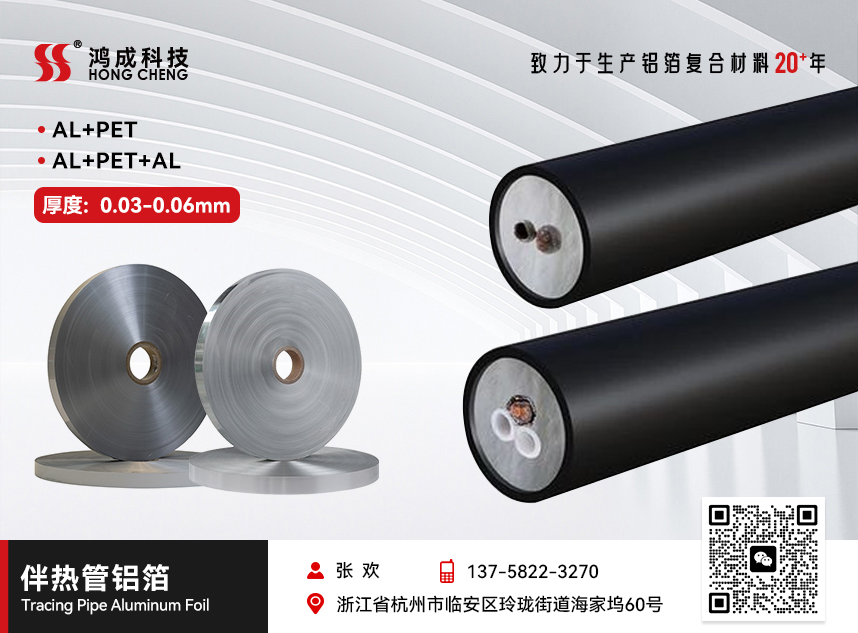
Heat-tracing systems operate for years in wet, high-temperature, corrosive, and sometimes hazardous environments. If the shielding layer fails, the consequences range from electromagnetic interference and ground-fault trips to fire hazards. For heat-trace cable and tracing-tube manufacturers, choosing the right aluminum-foil-glass-fiber composite shielding tape is the first gate to product reliability.
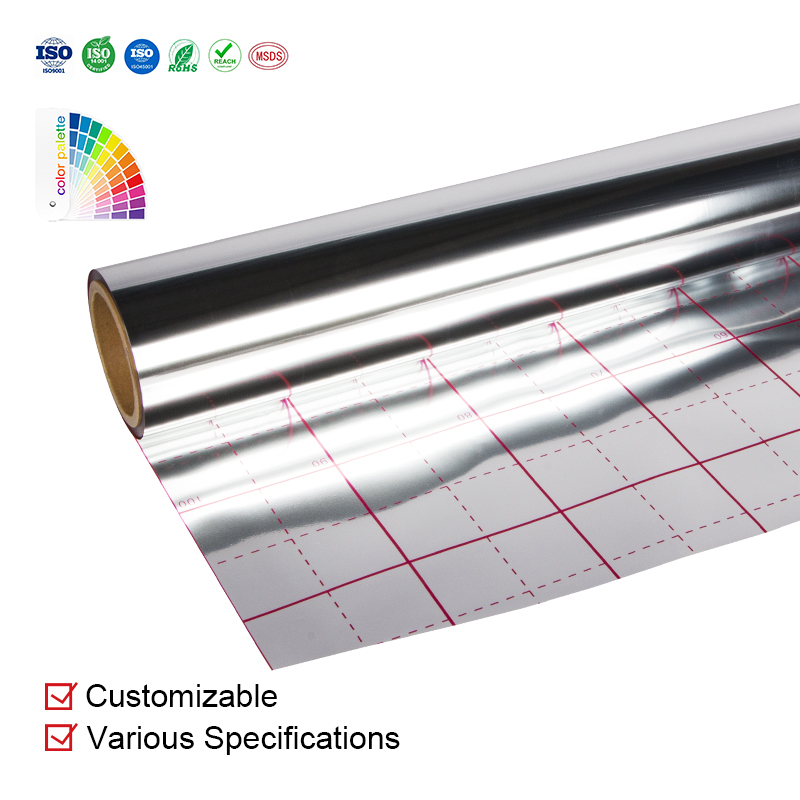
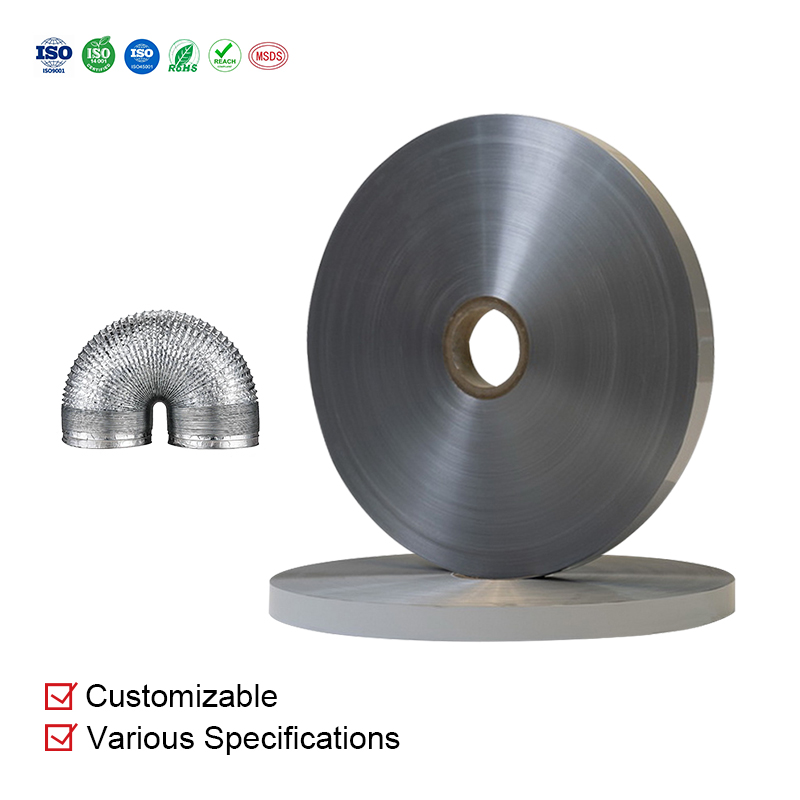
Aluminum-foil-glass-fiber composite shielding tape combines an aluminum layer for EMI shielding, a glass-fiber fabric for mechanical reinforcement, and a hot-melt adhesive or PE bonding layer. It delivers electrical shielding, temperature resistance, tensile strength, and moisture protection in one material. Compared with ordinary aluminum-mylar tape, the glass-fiber layer prevents shrinkage and cracking during long-term thermal cycling between 80°C and 150°C, making it the standard choice for heat-tracing tubes, heating cables, and snow-melting cables.
1. Select by Operating Temperature, Not by Price First
Heat-tracing applications are usually grouped into three temperature bands: low-temperature self-regulating types that maintain 0°C–65°C, medium-temperature constant-wattage types that maintain 65°C–120°C, and high-temperature MI or high-wattage constant types that operate above 120°C and can reach 200°C. Each band needs a different temperature rating from the shielding tape.
For low-temperature lines, aluminum-polyester composite tape on a PET carrier with 6μm–9μm aluminum is sufficient and cost-effective. Medium-temperature lines should use aluminum-foil-glass-fiber tape. The glass fabric provides longitudinal tensile strength, and the adhesive must be rated above 105°C. High-temperature lines require glass-fabric-aluminum-foil composite or symmetric glass-aluminum-glass constructions, with adhesive rated above 150°C and verified by long-term aging tests such as 150°C for 168 hours with peel strength retention ≥70%.
A common mistake is treating "has aluminum foil" as the only criterion. In reality, the adhesive is often the weak link under heat. Standard acrylic adhesive softens and migrates above 85°C, causing the shield to blister and detach. Heat-resistant modified adhesive or hot-melt PE layers are needed to survive the continuous heating of tracing tubes. When reviewing supplier data sheets, always request heat-aging peel-strength reports, not just room-temperature values.
2. Select Aluminum Thickness and Construction by Shielding Level
Heat-tracing tubes need shielding for two reasons: to prevent electromagnetic emission from the heating core, and to conduct induced current safely to ground. The required shielding level depends on the installation environment and the sensitivity of nearby control equipment.
For ordinary industrial tracing tubes, single-sided aluminum-foil-glass-fiber tape with 6μm–9μm aluminum provides 40dB–60dB shielding effectiveness. This is enough for control cabinets and process piping in factories and commercial buildings. For petrochemical plants, offshore platforms, or other locations with higher safety redundancy requirements, double-sided aluminum-foil-glass-fiber tape or aluminum-glass-aluminum sandwich structures improve shielding to 60dB–80dB while adding mechanical protection.
Thicker aluminum is not always better. A 9μm heavy-grade aluminum layer already meets the grounding and shielding needs of most heat-tracing applications. Blindly increasing thickness raises cost sharply, stiffens the tape, and makes lap winding harder to control, reducing production efficiency and increasing scrap rates.
3. Select the Outer Protection by Environment
Tracing tubes are installed in many environments: outdoor exposed pipelines, underground utility tunnels, offshore platforms, cold-storage walls, and roof snow-melt zones. Each environment demands different surface treatment and protective properties from the shielding tape.
For outdoor UV exposure and large temperature swings, choose tape with a UV-resistant protective coating to prevent aluminum powdering and loss of conductivity. For high humidity or water immersion, such as underground tunnels and roof drains, the glass fabric should be hydrophobic and the PE heat-seal layer should be ≥25μm thick to block moisture penetration along the weave. For coastal or offshore salt-fog exposure, prioritize aluminum foil with purity ≥99.35% and combine it with a sealed overall jacket. For chemical solvent atmospheres, verify oil and chemical resistance of the adhesive layer before specifying the material.
4. Wrapping Process and Slitting Quality Decide Machine Performance
Shielding tape does not work simply because it is purchased. Winding tension, overlap rate, and slitting width tolerance all affect final cable yield and shielding consistency.
The common wrapping method for tracing tubes is overlap winding at 25%–50% overlap. Too little overlap creates shielding gaps and raises EMI risk. Too much overlap raises material cost without improving performance. Slitting width tolerance should be within ±0.3mm; edge burrs can cut the inner insulation during winding and cause downstream electrical failures. Longitudinal tensile strength should be ≥80N/15mm to avoid breaks during high-speed wrapping.
Before placing an order, ask the supplier for sample trial runs. Check whether the tape wrinkles, lifts, or sheds aluminum after wrapping. Run a 180° peel test with a target peel strength ≥1.5N/15mm. Compare samples after 48 hours of thermal aging at actual service temperature to confirm real-world suitability rather than relying only on catalog data.
5. Three Questions to Ask Your Supplier
First, ask about the base material: is it pure aluminum foil or metallized film? Metallized film costs less but offers weaker shielding and flex resistance, making it unsuitable for long-term heating in tracing tubes. A simple multimeter continuity test can often distinguish the two, since true aluminum foil shows low resistance across the surface.
Second, ask for the adhesive's heat-aging peel-strength report, not just room-temperature data. Third, ask about batch consistency: request first-piece, mid-run, and end-run sampling to avoid thickness variation within the same lot. Consistent aluminum layer thickness is essential for uniform shielding effectiveness and grounding performance across thousands of meters of cable.
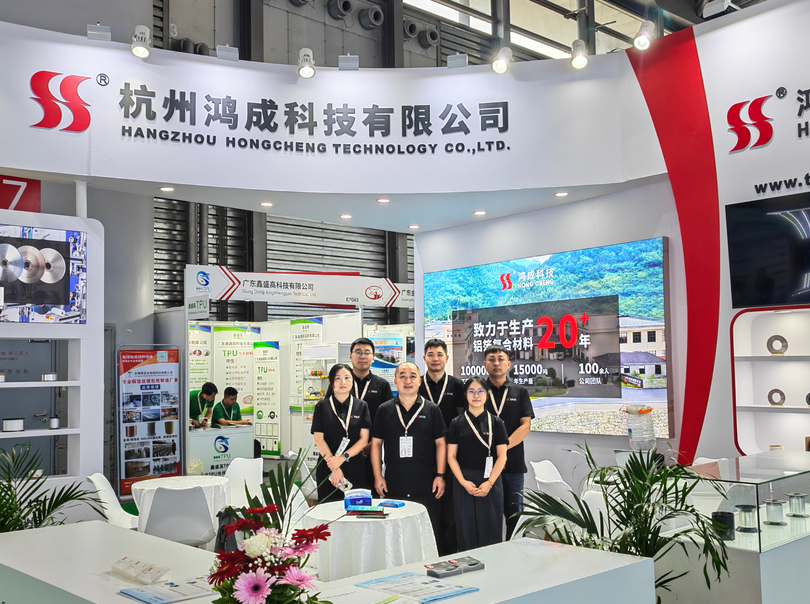
Hangzhou Hongcheng Technology Co., Ltd. supplies aluminum-foil-glass-fiber composite shielding tape, AL/PET aluminum-polyester tape, and aluminum-mylar tape to heat-tracing, heating-cable, and snow-melting-cable manufacturers. We offer customized aluminum layers from 6μm–9μm, various glass-fabric specifications, and adhesive temperature ratings, with slitting widths produced to customer requirements. For sample trials or technical support, please contact us.
+86 13758223270 | Email: wendy@hcdxcl.com.cn
HVAC Retrofit Programs Are Reshaping Flexible Duct Demand: A Procurement Guide to Duct Facing Materials
Hongcheng Technology at wire China 2026