How to Judge Insulation Board Facing Film Quality: Five Incoming-Inspection Points
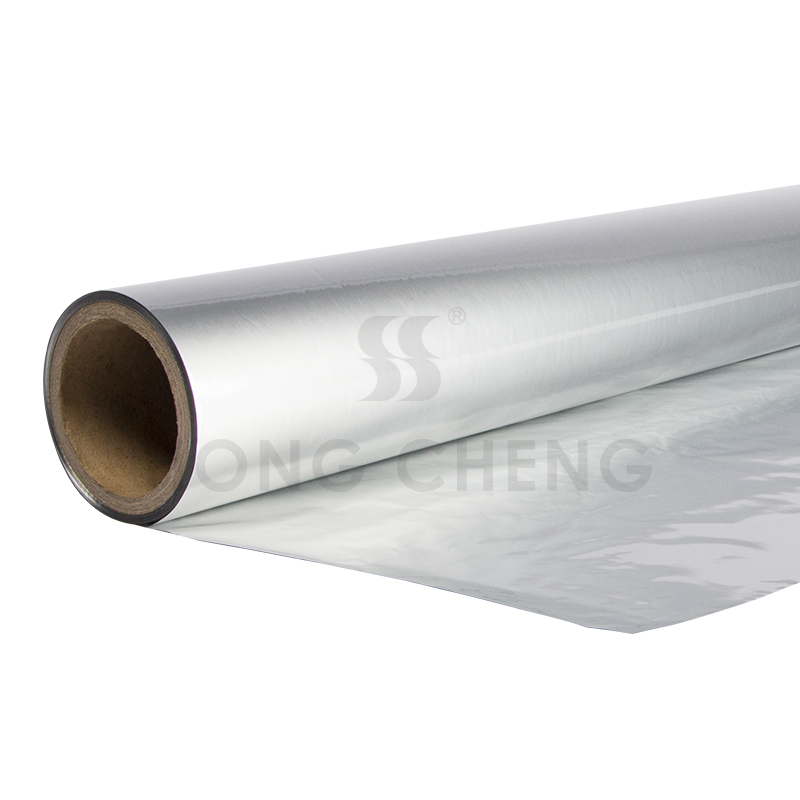
If you manufacture insulation boards, this probably sounds familiar: two batches of facing film that looked identical on the laminating line, yet a few months after shipment the complaints arrive — wrinkled surfaces, film delamination, patchy reflectivity. The problem is rarely about paying more for the film. It is about whether the key parameters were actually verified when the rolls came in. As a supplier of aluminum foil laminate roll stock to insulation board producers, we see this pattern repeatedly, and it almost always traces back to the same handful of skipped checks at the receiving dock. A laminate roll that passes a casual visual inspection can still fail on foil gauge, bond strength, or batch consistency — failures that only surface after the boards have been laminated, packed, and shipped to your customer. By then, the cost is no longer a rejected roll of film; it is a returned shipment, a rework cycle, and a dent in your own brand. The good news is that the entire verification routine takes less than an hour per batch and requires no laboratory: a multimeter, a scale, a micrometer, a light box, and a clear contract. We have put together the five most practical incoming-inspection points below. Purchasing and QC teams can use them as a working checklist, and adapt them to your own board types and laminating line settings.
Point One: Confirm the Structure Before Judging Quality
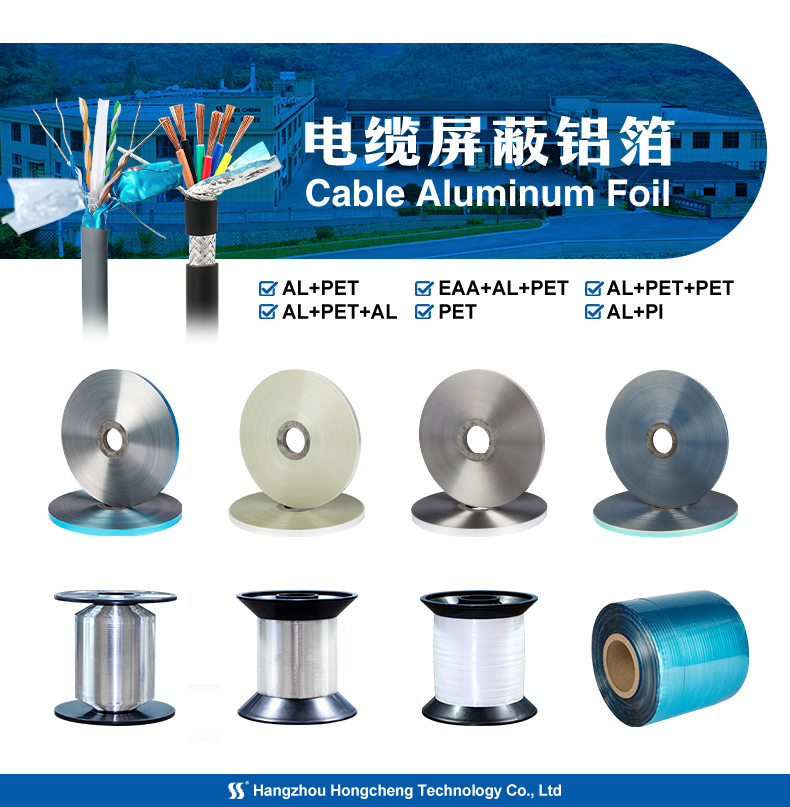
"Facing film for insulation boards" is not one material but several structures: single-side AL/PET laminate, double-side PET/AL/PE multi-layer laminate, and VMPET metallized laminate, each with its own position. Single-side AL/PET is the workhorse — the foil layer provides barrier and reflectivity, the PET layer provides strength and printability. Double-side PET/AL/PE suits boards that need lamination on both faces or heat-seal capability. VMPET metallized film costs less and fits applications where barrier demands are moderate. The first inspection step is simply matching the delivered structure to the ordered structure: a surface resistance measurement distinguishes pure foil from metallized film, since pure foil shows low, uniform resistance while metallized film reads noticeably higher. Once the structure is right, the rest of the parameters are worth discussing.
Point Two: Foil Thickness and Pinholes
The foil layer is the barrier core of the laminate, supplied in conventional thicknesses of 6μm to 9μm; when stronger barrier is required, choose the heavy grade (9μm). Do not rely on the label alone. Two checks matter. First, verify thickness by weight: calculate the area density from roll width, length and weight, then compare against the stated gauge. Second, inspect for pinholes against a light source — move the film slowly across the light and look for bright transmitting spots; heavy-grade material should show clearly fewer pinholes than light-grade. Dense pinholes degrade both barrier and reflectivity, and patchy reflectivity on the finished board usually traces back to exactly this.
Point Three: Lamination Bond Strength (Peel Strength)
Film delamination is the most common quality complaint after boards leave the plant, and its root cause is almost always peel strength. Sample every batch for peel testing and agree with your film supplier on a minimum of 1.5N/15mm — and put that number into the contract, because a verbal agreement protects nobody when a dispute actually happens. For a quick floor check, rub the film surface against the substrate: there should be no sense of looseness or blistering. Also check bonding uniformity — when viewed against light, a cloudy, uneven film surface often indicates fluctuation in adhesive coating or laminating pressure, and such film is prone to localized delamination after laminating. One more practical note: peel strength should be tested on film taken from the actual delivery batch, not from the original sample submission. Sample submissions are prepared with extra care; production rolls are not. If your third-party test reports consistently come back close to the 1.5N/15mm threshold, treat that as a warning sign rather than a pass — the margin is too thin to survive normal process variation between batches.
Point Four: Appearance Quality
Appearance is where board producers and film suppliers argue most, so define the standard at receiving. Check four items: flatness of the film surface (no visible edge waves or slack); surface cleanliness (no oil stains, foreign matter or scratches); roll-end quality (ends should be square, without protruding or collapsed edges); and splice count (agree in advance how many splices per roll are acceptable, with clear marks at each splice). These checks take only a few minutes, yet they decide your line efficiency — film that fails on appearance costs far more in downtime than the film itself. It is worth training two people on the same checklist and rotating them, so the standard does not depend on one inspector's personal habits. Photograph any borderline findings and attach them to the receiving record; when a claim has to be filed, dated photos of the roll ends and film surface shorten the conversation with the supplier from days to hours.
Point Five: Batch-to-Batch Consistency and Sealed Samples
Insulation board production is continuous, and the real risk is not one bad batch but batches that differ — the last batch laminated perfectly at your current settings, the next one forces a re-tune. Every re-tune costs setup time, start-up scrap, and operator patience. Establish a sealed-sample system with your supplier: archive samples of the approved first batch, then take first, middle and end samples from every incoming batch and compare color, gloss and hand-feel against the seal. Keep the archived samples in a dry, shaded place and label them with batch numbers and receiving dates, so comparisons stay meaningful months later. At the same time, write the key parameters into the purchase contract — structure, foil thickness grade, width tolerance, peel strength — and inspect strictly against the contract rather than by feel. A supplier who welcomes this discipline is usually a supplier who controls their own process; a supplier who resists sealed samples is telling you something before the first delivery even arrives.
Three Common Mistakes
Mistake one: comparing on price without matching structure. Both may be called "facing film," but VMPET metallized laminate and single-side AL/PET differ clearly in barrier and reflectivity, and their prices differ for good reason. Benchmarking a foil-structure quote against a metallized-film price does not find you a bargain — it finds you a mismatch.
Mistake two: assuming thicker is always better. The heavy grade (9μm) does offer better barrier, but thickness should match the board's application. Using heavy-grade film for ordinary interior wall insulation is a waste of cost. Choosing the right grade is more professional than simply going thicker.
Mistake three: inspecting appearance only, not parameters. Passing appearance does not guarantee passing peel strength, and film that fails on peel strength only reveals the problem when the boards reach your customer — at which point the cost is a full shipment returned.
A Closing Note from the Material Side
Hangzhou Hongcheng Technology manufactures single-side AL/PET laminates, double-side PET/AL/PE laminates, VMPET metallized composites and aluminum foil laminate roll stock for insulation board facing applications, with custom structures, widths and thickness grades matched to your board type. We are glad to help board producers define the inspection standard before it goes into the contract. +86 13758223270, Email: wendy@hcdxcl.com.cn
How to Judge Luggage Lining Film Quality: Five Checks and Three Pitfalls for Bag Makers
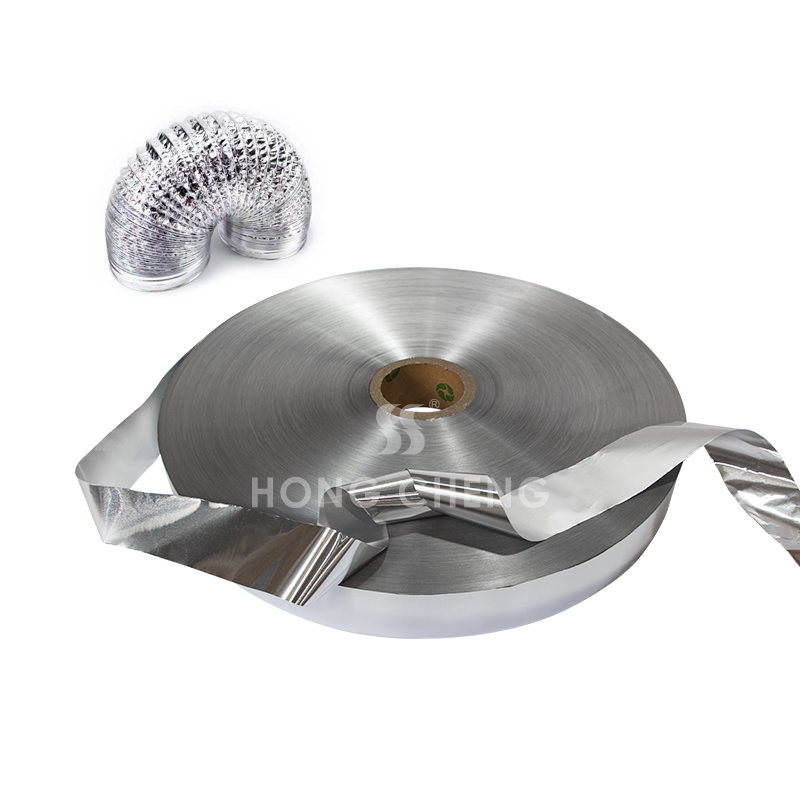
How to Choose Duct Facing: Start with Your Forming Process and Duct Diameter