Luggage Bag Lining Material Buying Guide: How to Avoid VMPET Woven Fabric Traps
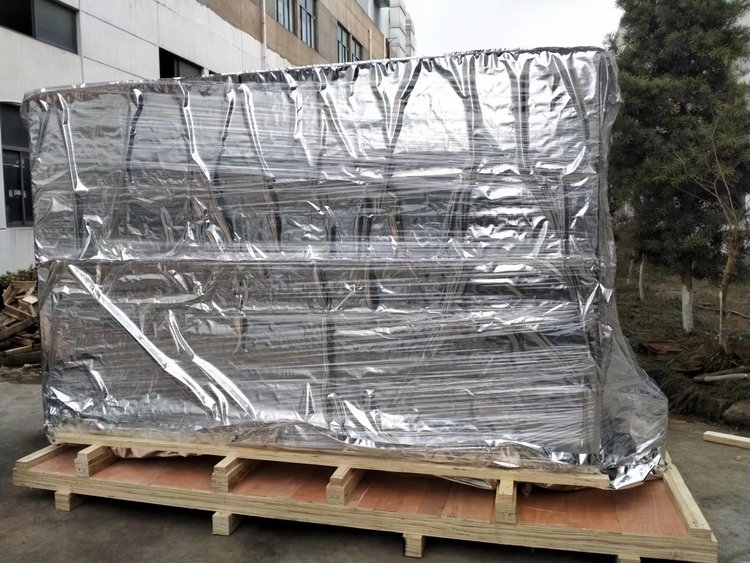
Bag factories and packaging plants often get lost in a sea of parameters and sales talk when sourcing lining films. Two rolls labeled "metallized film woven fabric lining" can differ in price by 20-30%. The sample looks bright enough, but once it goes through the lamination line it bubbles, delaminates, and the whole batch has to be reworked. The problem is usually not the converting process but the raw material itself. As a long-time supplier of aluminum foil composites to luggage and industrial packaging customers, here are the most common pitfalls and how to avoid them.
1. Start with the material structure
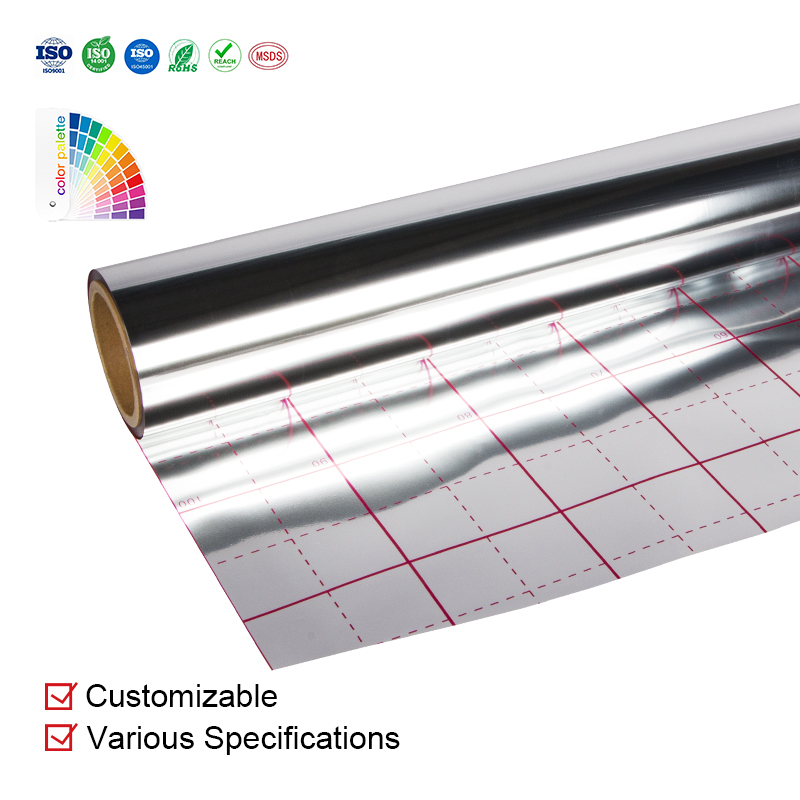
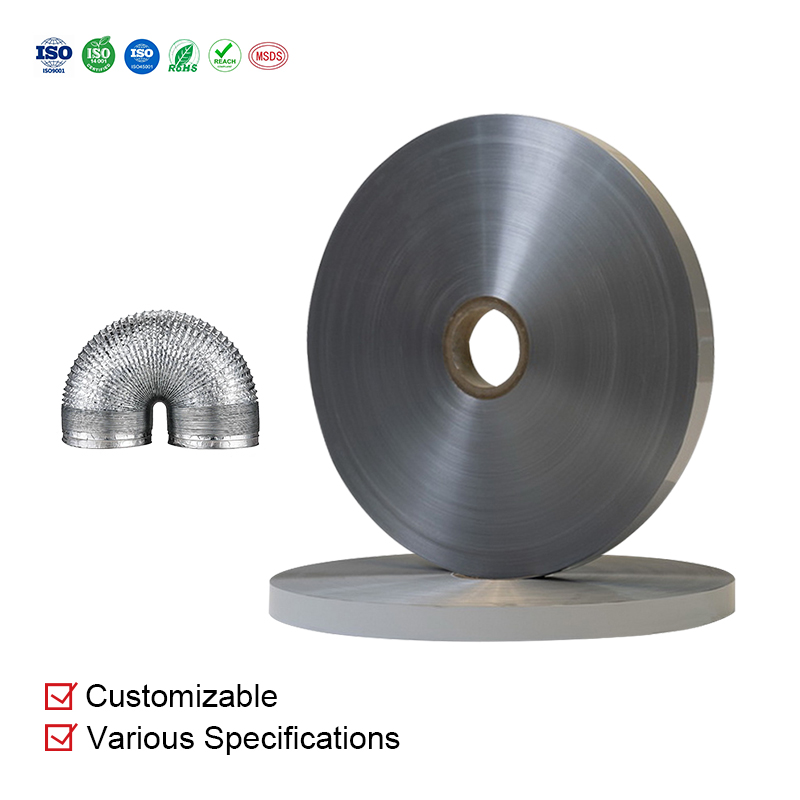
There are two mainstream structures for bag lining. The first is metallized film woven fabric lining, typically VMPET laminated to PP/PE woven fabric. It has a metallic finish, good stiffness, light weight, and lower cost. The second is aluminum foil PE composite lining film, usually aluminum foil extrusion-laminated to PE. It blocks light and heat better but is heavier, stiffer, and more expensive.
For most trolley cases, travel bags, and tool bags, VMPET woven fabric lining is the volume choice because it balances metallic appearance, light weight, fold resistance, and cost. Before placing an order, confirm which structure your downstream customer actually wants. Do not substitute an aluminum-foil-PE sample for a VMPET-woven order just because both look silvery.
2. Five common sourcing traps
Trap 1: Selling metallized film as aluminum foil
This is the most common price trap. Metallized film is PET with a very thin vapor-deposited aluminum layer, usually measured in nanometers or angstroms. Aluminum foil is a rolled metal film, typically supplied in the 6μm-9μm range. The barrier, fold resistance, and metallic feel are very different. Some suppliers quote aluminum-foil prices while delivering high-gloss metallized film.
Check: Use a multimeter to measure surface resistance. Aluminum foil composite shows low and uniform resistance. Metallized film gives much higher readings with large point-to-point variation. Write the aluminum layer material and thickness range into the contract and ask for a material certificate.
Trap 2: Woven fabric weight is overstated
Woven fabric weight directly affects lining stiffness and puncture resistance. Common specs range from 60g/㎡ to 120g/㎡. Some suppliers label 80g/㎡ as 100g/㎡. After converting, the film feels soft and does not support the case corners, causing bulges.
Check: Cut a 10cm×10cm sample and weigh it. Require a woven fabric weight report for each batch and set a tolerance, ideally within ±5g/㎡.
Trap 3: Poor lamination bond strength
Bag lining is cut, heat-pressed, and folded repeatedly. If the bond strength is low, the aluminum layer or woven fabric can delaminate or bubble. The key metric is peel strength. For VMPET-to-woven fabric, aim for at least 1.2N/15mm. For aluminum-foil-PE structures, aim for at least 1.5N/15mm.
Check: Ask for a third-party peel-strength report and run your own 90-degree peel test. Put peel strength into the acceptance standard, not just a verbal promise.
Trap 4: Poor slitting quality drives up waste
Lining film is usually slit to width for specific bag sizes. Edge burr, uneven roll faces, and wide width tolerances cause tracking problems and waste during lamination. This is especially costly for small-lot, multi-spec orders.
Check: Inspect roll faces for flatness, edge burr, and core eccentricity. Ask for width tolerance within ±2mm and track actual machine waste on the first production run.
Trap 5: Comparing price without comparing structure
Two rolls called "metallized film woven fabric lining" can differ in VMPET thickness, aluminum layer thickness, woven fabric weight, adhesive type, and surface treatment. Buying purely on price often leads to a downgraded spec: thinner aluminum, lower fabric weight, standard adhesive instead of fold-resistant adhesive, and endless customer complaints later.
Check: Ask for a structure breakdown sheet. Confirm VMPET thickness, aluminum layer thickness, woven fabric weight, adhesive type, and any post-treatment. Attach this sheet to the purchase contract.
3. Three material-selection tips by bag type
- Trolley cases / travel bags: Prefer VMPET + woven fabric, 80g/㎡-100g/㎡ fabric weight, balancing stiffness and light weight. Peel strength ≥1.2N/15mm.
- Tool bags / outdoor bags: Higher puncture and abrasion resistance needed. Choose 100g/㎡-120g/㎡ woven fabric or a thicker VMPET layer.
- Gift boxes / display box lining: Appearance and flatness matter more. Aluminum foil PE composite film with 6μm-9μm aluminum foil gives high gloss and good light blocking.
4. Supplier verification checklist
- Can the supplier provide VMPET or aluminum foil material certificates and third-party test reports?
- Can woven fabric weight and width tolerance be written into the contract?
- Are peel strength and heat-seal strength (if required) clearly specified in acceptance terms?
- Can the supplier offer custom slitting widths and roll diameters for your bag sizes?
- Will bulk production match the approved sample, and is there a batch retention system?
Choose the right material, sign a clear contract, and inspect every batch, and most lining film sourcing risks can be avoided. Hongcheng Technology supplies VMPET woven fabric lining, aluminum foil PE composite lining film, and other aluminum foil composite materials. We support custom widths, weights, and structures for bag factories and packaging plants, and provide material certificates and testing support.
+86 13758223270、Email: wendy@hcdxcl.com.cn
How to Judge High-Temperature Shield Tape for Motor Lead Wire
AL/PE Heat-Seal Laminate vs Metallized Film — Selection Essentials
Related Article