How to Judge Luggage Lining Film Quality: Five Checks and Three Pitfalls for Bag Makers
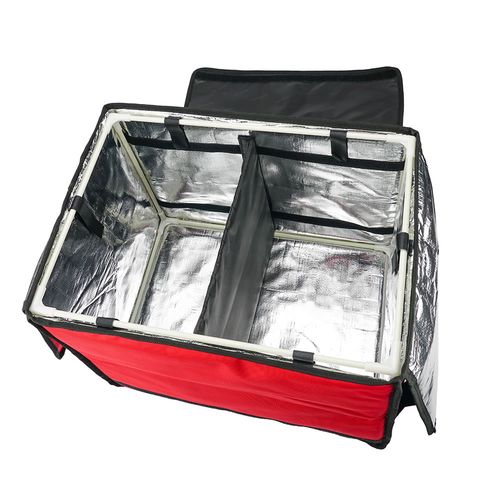
Every luggage buyer has lived through this: the first batch of lining film produces trolley cases with a crisp hand feel and a beautiful mirror finish, then the second batch arrives and the film wrinkles on the surface, blisters after lamination, or delaminates the moment a panel edge is pulled. The problem is usually not the bag factory — it is quality variation in the film itself that nobody screened for before production. As a supplier of aluminum-plastic laminate raw materials to luggage and laminating factories, we would like to break the quality judgment down into five checks and three pitfalls.
Five Checks That Matter
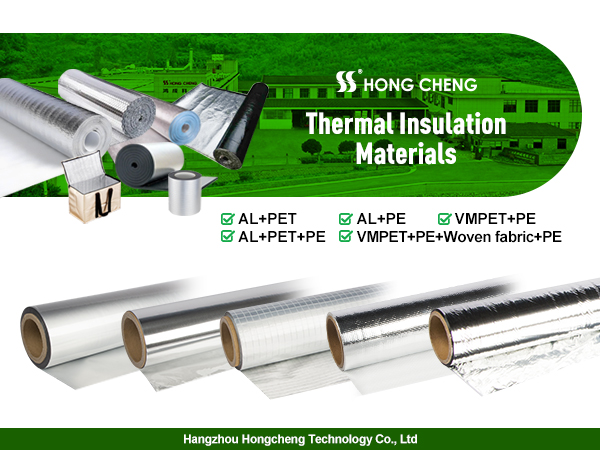
Check 1: Surface appearance — flatness and mirror effect. Luggage lining places among the highest demands on appearance of any application. Every fine streak, gel point or fisheye on the film gets magnified in the finished product. Lay the film on a black surface and view it against the light at eye level to spot longitudinal streaks and visible contamination points, then check whether the mirror reflection is even under a lamp. In a VMPET woven fabric laminate, the gloss comes from the metallized layer; a film with poor coating uniformity shows patchy reflections, and that unevenness becomes a blotchy lining in the finished case.
Check 2: Lamination bond — peel strength is the lifeline. Luggage bends repeatedly during sewing and daily use. If the bond is weak, edge lifting and delamination show up within months. Specify a peel strength of no less than 1.5N/15mm and sample-test incoming rolls to GB/T 8808. One detail: with woven fabric structures, run the peel test in both the warp and weft directions, because bond quality can differ between the two — testing only one direction can miss a real problem.
Check 3: Metallized layer adhesion — a quick tape-pull screen. Press a strip of adhesive tape firmly onto the film surface and pull it off quickly, then look at how much aluminum transfers to the tape. Heavy transfer, leaving bright see-through patches, means poor metallized adhesion; that film will shed aluminum powder through the laminating and sewing processes, soiling equipment and spoiling the finished appearance. It is a cheap, fast check that suits first-article screening on every batch.
Check 4: Fabric weight and weave density — this is where stiffness comes from. How crisp the lining feels depends largely on the weight and warp-weft density of the woven fabric layer. Underweight or loosely woven fabric produces a soft, crease-prone film whose cut panels wrinkle after sitting. Write the fabric weight and its tolerance into the contract and verify by sampling grams per square meter on arrival — do not rely on hand feel alone.
Check 5: Dimensional stability — heat shrink and width tolerance. Lining film passes through heating during lamination and cutting. Excessive thermal shrinkage causes curled edges and shrunken panels afterward. Test heat shrink at 70°C for 5 minutes; keep both machine and transverse direction below 0.5%. Also contract the width and thickness tolerances — otherwise panel utilization quietly drops and the yield loss costs more than any price saving.
Building a Simple Incoming-Inspection Routine
None of the five checks requires a full laboratory, and that is the point. A practical routine for a mid-size bag factory can run on a bench in under half an hour per batch: one light-table pass for appearance and pinholes, one tape-pull for metallized adhesion, one hand-tear across the layers for bond strength, one micrometer reading at three positions, and one heat-shrink coupon in a small oven. The real discipline lies in recording results. A one-page inspection log per batch — roll number, gauge readings, peel result, tape-pull observation, inspector initials — turns scattered impressions into evidence. When a complaint arrives three months later, that log is the difference between a quick supplier conversation and an untraceable dispute.
Suppliers respond to documented inspection, too. Factories that measure consistently tend to receive more consistent material, because the supplier knows deviations will be caught. Over a season, this quietly shifts the whole relationship: fewer surprise batches, faster root-cause discussions, and specifications that actually hold. For converters running automated laminating lines, the payoff is larger still — a single delaminating roll stopped at incoming inspection costs minutes; the same roll discovered on the line costs a shift.
Three Common Pitfalls
Pitfall 1: Judging by brightness alone. Pure aluminum foil and metallized film (VMPET) can both look brilliantly shiny, yet their barrier properties and costs differ substantially. Some suppliers pass metallized film off as pure foil at a lower price. The distinction is simple: a metallized layer has micro-pinholes and lets a faint light through when viewed against a lamp, and a surface-resistance meter shows pure foil conducts far better. Choose the structure that matches your product positioning — but always know exactly which one you are buying.
Pitfall 2: Assuming the film has no right or wrong side. Lining film typically has a mirror aluminum side and a PE or other functional side, and lamination is direction-sensitive. Bonding it the wrong way round costs you appearance at best and roller sticking with aluminum-layer damage at worst. Always run a small lamination trial to confirm orientation before a full production run — this step cannot be skipped.
Pitfall 3: Working backwards from price. The cost spread comes mainly from the coating material, the fabric weight and the lamination process. At the same quoted price, one roll may carry the heavy 9μm foil grade and another the light grade — a real cost difference. The sensible approach is to lock the specifications first — foil thickness stated by grade within the conventional 6μm to 9μm supply range, peel strength, and fabric weight tolerance — then compare prices on equal terms. Otherwise the winning low bid gets paid back double in yield loss and customer complaints.
A Closing Note
Luggage lining film is a material where details decide everything: appearance, bond strength, metallized adhesion, fabric weight, dimensional stability. Let any one of the five slip and the finished product will expose it immediately. For luggage buyers, the better strategy is to move inspection upstream — first-article screening on every batch, key parameters written into the contract, and sealed reference samples to control batch-to-batch consistency.
Hangzhou Hongcheng Technology manufactures VMPET woven fabric lining laminates, aluminum-plastic composite films and AL/PE laminates for luggage lining applications, with custom structures, weights and widths. As a raw material supplier we do not make finished luggage, but we are glad to work through the specification with bag makers and laminators.
Coaxial Cable Mylar Tape: Five Purchasing Pitfalls Cable Makers Should Avoid
How to Judge Insulation Board Facing Film Quality: Five Incoming-Inspection Points