How to Choose AL/PET Shielding Tape for PV DC Cables: Matching 1500V Solar System Requirements
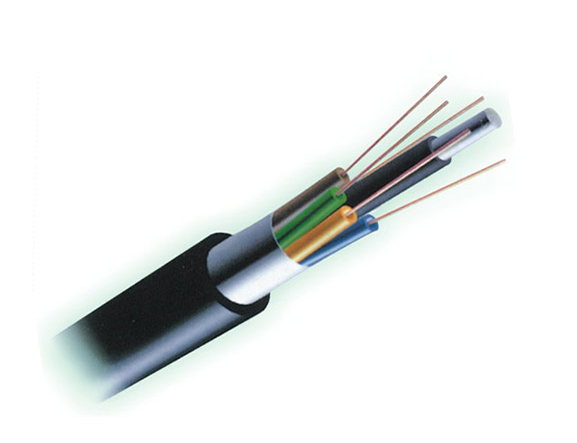
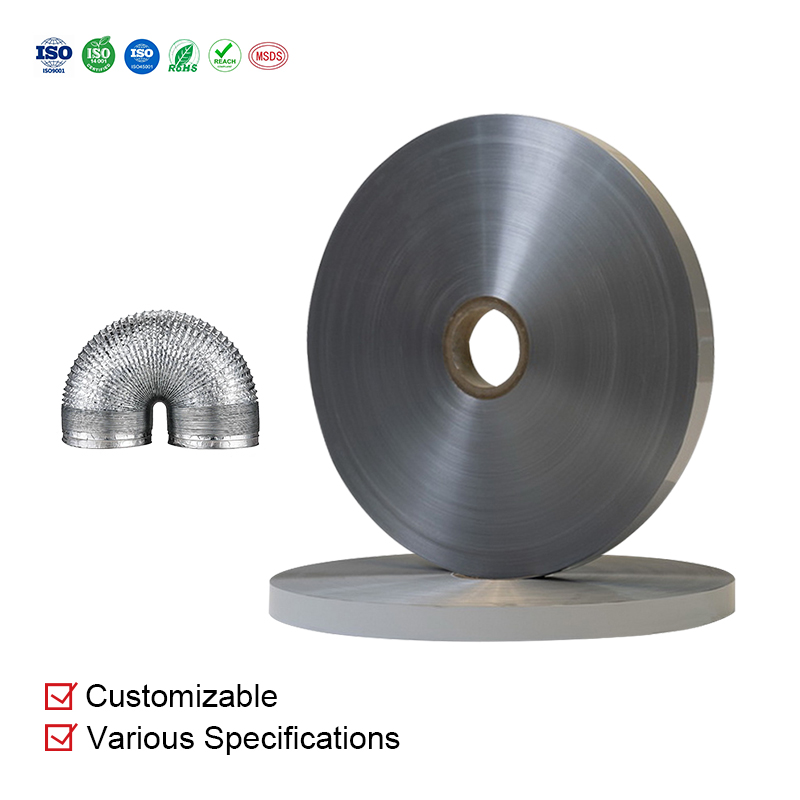
Arc faults caused by DC cable insulation degradation, combiner box fires, and junction box ignition at solar panel terminals — these incidents have become all too common as global photovoltaic installed capacity has doubled over the past three years. With PV systems migrating from 1000V to 1500V DC, the electromagnetic interference, arc risk, and long-term outdoor aging challenges facing DC-side cables have become far more severe. Aluminum-polyester composite tape (AL/PET shielding tape, also known as aluminum mylar tape) serves as a critical shielding layer material in PV DC cables. Selecting the right tape directly affects cable EMC performance, service life, and system safety. How should cable manufacturers match this material to the unique demands of photovoltaic applications?
1. Real Pain Points in PV DC Cable Shielding
Compared to traditional 1000V systems, 1500V PV systems present three core challenges on the DC side:
-
High-voltage DC arc risk: At 1500V DC, loose connectors, insulation damage, or shield discontinuities can trigger DC arcs with temperatures reaching thousands of degrees Celsius that are extremely difficult to extinguish. Shield continuity and low surface resistance form the first line of defense against arc interference and signal protection.
-
Intense EMI environment: Inverters in solar plants typically operate at PWM switching frequencies of 20kHz–150kHz, generating rich harmonic noise. If the DC cables from strings to combiner boxes are inadequately shielded, this noise couples into communication and monitoring circuits, causing data acquisition errors or even false protection trips.
-
25-year outdoor aging test: PV cables are designed for a 25-year service life, continuously exposed to UV radiation, extreme temperatures (-40°C to +90°C), humidity, and salt spray. The corrosion resistance of the aluminum layer and the UV and hydrolysis resistance of the PET substrate in AL/PET shielding tape determine whether the shield can maintain stable performance throughout the cable's lifecycle.
Standards such as PV1-F (EN 50618) and TÜV 2 PfG 1990 specify clear requirements for shielding, insulation, flame retardancy, and weathering resistance of PV cables. AL/PET shielding tape must strike a balance between shielding effectiveness, temperature resistance, and mechanical performance.
2. Four Typical Applications of AL/PET Shielding Tape in PV DC Cables
1. String-to-Combiner Box DC Cables
Cables running from PV module strings to DC combiner boxes typically operate at 1000V–1500V DC, with lengths ranging from tens of meters to over a hundred meters. These cables require shielding tape with continuous, pinhole-free aluminum, low surface resistance, and UV resistance. We recommend an aluminum layer of 12μm–15μm and a PET substrate of 23μm–36μm to ensure the shield does not degrade over long-term outdoor exposure.
2. Combiner Box-to-Inverter DC Cables
Large cross-section DC cables from combiner box outputs to central or string inverters carry high currents (up to 250A and above) and face strong electromagnetic noise. These cables typically use a dual shielding structure: AL/PET shielding tape for high-frequency shielding (30MHz–1GHz) plus copper braid for low-frequency shielding. We recommend a 15μm aluminum layer with 25μm–36μm PET substrate, paired with a flame-retardant PE jacket.
3. Inverter AC Output Cable Shielding
The AC output side of inverters also carries high-frequency harmonic interference, and some projects require shielded AC cables. AL/PET shielding tape used here must balance temperature resistance (ambient temperatures near inverters can reach 70°C–85°C) with flexibility. We recommend a 9μm–12μm aluminum layer with 12μm–23μm PET substrate.
4. Solar Tracker Control Signal Cables
Motor drive and angle feedback signal cables for tracking systems are thin, numerous, and susceptible to crosstalk from adjacent high-voltage DC cables. Thin AL/PET composite tape (7μm–9μm aluminum, 12μm PET) provides pair-level shielding isolation to ensure stable control signal transmission.
3. Key Parameter Selection for AL/PET Shielding Tape in PV DC Cables
| Parameter | String DC Cable | Combiner-to-Inverter | Inverter AC Side | Tracker Signal Cable |
|---|---|---|---|---|
| Aluminum layer | 12–15 μm | 15 μm | 9–12 μm | 7–9 μm |
| PET layer | 23–36 μm | 25–36 μm | 12–23 μm | 12 μm |
| Peel strength | ≥1.5 N/cm | ≥1.5 N/cm | ≥1.2 N/cm | ≥1.0 N/cm |
| Surface resistance | ≤30 mΩ/sq | ≤25 mΩ/sq | ≤50 mΩ/sq | ≤80 mΩ/sq |
| Temperature rating | -40°C~+90°C | -40°C~+90°C | -40°C~+85°C | -40°C~+85°C |
| Flame rating | EN 50618 | EN 50618 | IEC 60332-1 | IEC 60332-1 |
| UV resistance | Required | Required | Required | Required |
Aluminum layer thickness and continuity form the foundation of shielding effectiveness. In long-term outdoor operation, pinholes or uneven thickness in the aluminum layer will accelerate corrosion under humid and salty conditions, leading to shield failure. The UV and hydrolysis resistance of the PET substrate is equally critical — inferior PET becomes brittle and cracks under high temperature and humidity, leaving the aluminum layer unprotected.
4. Three Common Mistakes When Selecting Shielding Tape for PV Cables
Mistake 1: Substituting ordinary control cable shielding tape for PV-grade products
Standard AL/PET shielding tape that has not undergone UV aging and humid-heat cycling tests may see its PET substrate hydrolyze and become brittle within 3–5 years in outdoor PV environments. PV-specific shielding tape should pass the climate cycling and damp-heat tests specified in EN 50618 appendices.
Mistake 2: Focusing only on aluminum thickness while ignoring purity and pinhole rate
Aluminum thickness is not the sole indicator. When aluminum foil purity falls below 99.5%, impurities accelerate electrochemical corrosion. Excessive pinhole density (more than 50 per square meter) creates electromagnetic leakage points in the shield. Buyers should request aluminum purity reports and pinhole inspection data from suppliers.
Mistake 3: Neglecting the match between peel strength and extrusion process
PV cables typically use extruded PE or XLPE jackets, and AL/PET shielding tape must maintain interlayer bonding at extrusion temperatures (160°C–200°C). Tape with insufficient peel strength will delaminate during extrusion, causing shield displacement. Excessively high peel strength hinders subsequent stripping and termination. We recommend products with peel strength of 1.0–1.5 N/cm, with process parameters adjusted in coordination.
5. Hangzhou Hongcheng Technology's Product Capability and Supply Assurance
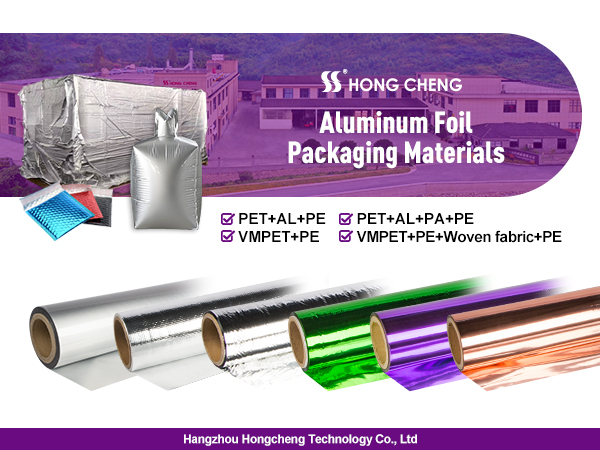
Hangzhou Hongcheng Technology Co., Ltd. specializes in the research, development and production of aluminum foil composite materials, PE laminated composite materials and PET/AL/PE multi-layer composites. For PV DC cable shielding needs, we provide customized AL/PET shielding tape, aluminum mylar tape and aluminum-plastic composite shielding materials. We support aluminum layers from 7μm to 25μm, PET/PE substrates from 12μm to 50μm, widths from 10mm to 1000mm, and options including pressure-sensitive adhesive and hot-melt composite constructions.
Our products have passed RoHS and REACH environmental tests and can support customers with sample testing for EN 50618, TÜV 2 PfG 1990, IEC 60332 and other PV cable certifications. They are widely used in cable shielding, building insulation and industrial packaging. Whether you are a PV cable manufacturer, a combiner box supplier or an EPC contractor, Hongcheng Technology can provide material selection advice and stable supply support tailored to your application.
For samples, datasheets or quotations, please contact us at +86 13758223270 or email wendy@hcdxcl.com.cn.
Low-VOC and Halogen-Free Are Becoming the New Benchmarks for Duct Facing Materials
Peak Season Luggage Lining Film Selection: VMPET Woven Laminate Spec Guide
Related Article