How to Select Shielding Tape for Energy Storage Battery PACK High-Voltage Cables

How to Select Shielding Tape for Energy Storage Battery PACK High-Voltage Cables: Matching AL/PET Composite Tape to 1500V System Needs
Fires at battery storage plants, thermal runaway in electric vehicles, and high-voltage arcing inside battery packs have made energy storage safety one of the most closely watched topics in the industry. High-voltage cables serve as the blood vessels that carry energy inside a battery PACK, and their electromagnetic shielding and insulation directly determine system reliability. Aluminum-polyester composite tape, also known as AL/PET shielding tape or aluminum mylar tape, is quickly replacing some copper-braid solutions thanks to its light weight, stable shielding performance and cost advantages, becoming one of the core materials for high-voltage wiring harnesses in energy storage systems.
1. Real Pain Points in Battery PACK High-Voltage Cable Shielding
Electrochemical energy storage systems are migrating from 1000V to 1500V DC and beyond. Higher voltage brings two immediate challenges:
- Stronger electromagnetic interference: High-voltage DC switching and higher PWM frequencies from inverters create more common-mode noise inside the pack, which can disturb BMS communication, temperature sampling and high-voltage interlock signals.
- Tighter insulation and flame-retardant requirements: Standards such as IEC 62619, UL 1973 and GB/T 36276 set clear requirements for voltage withstand, flame retardancy and low-smoke halogen-free performance. The shielding layer must balance EMI suppression with safety protection.
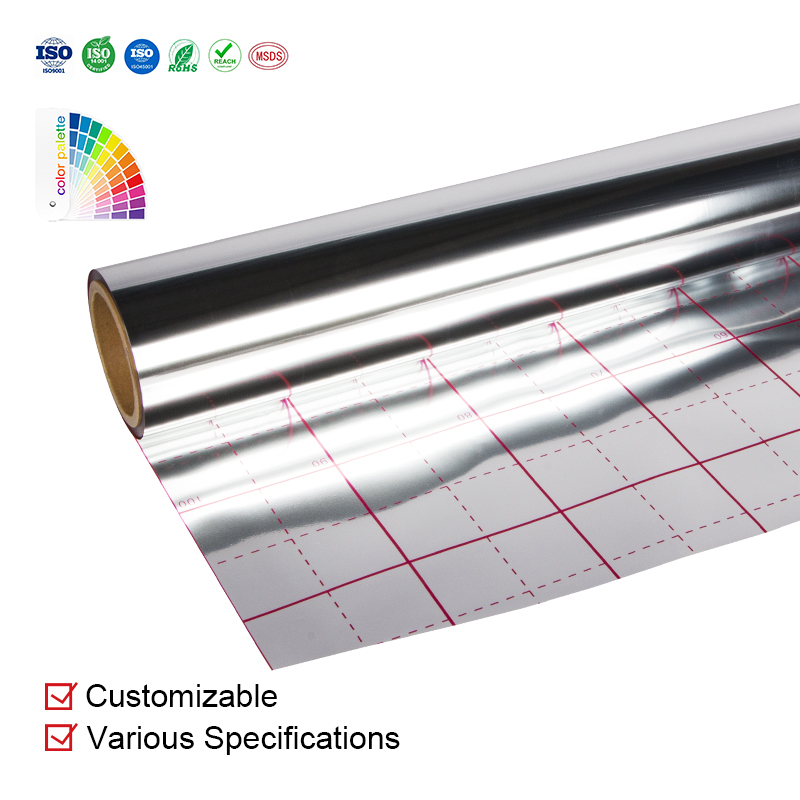
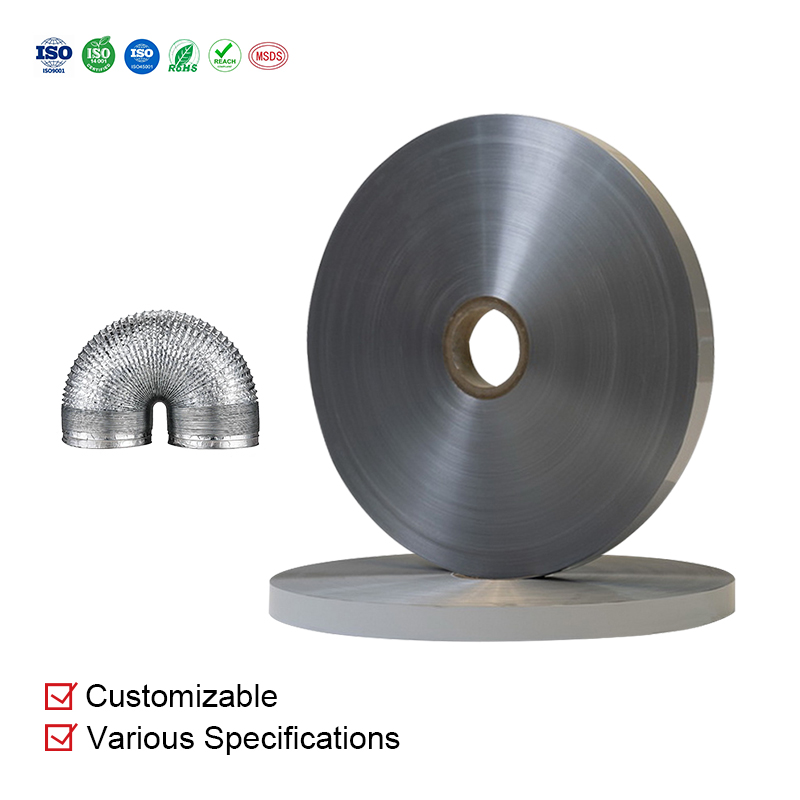
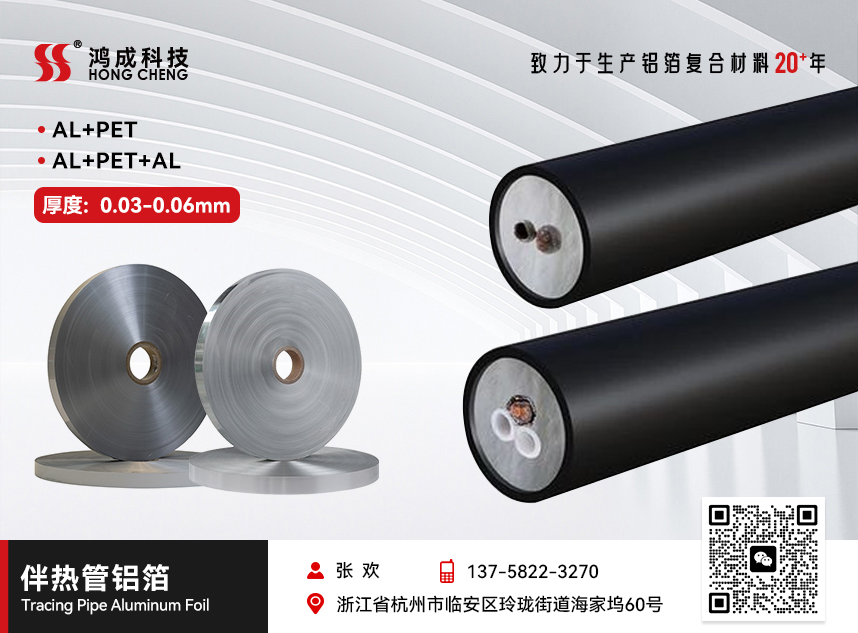
Traditional copper braid or copper tape shielding offers excellent shielding effectiveness, but it is heavy, expensive and prone to fatigue fracture after repeated bending. AL/PET composite shielding tape uses the aluminum foil layer for electromagnetic shielding and the PET substrate for electrical insulation and mechanical support. It can provide 40–60 dB of attenuation in the 30 MHz–1 GHz range, meeting the EMC needs of most communication and power cables inside energy storage PACKs while reducing weight by more than 50%.
2. Four Typical Applications of AL/PET Shielding Tape in Energy Storage Harnesses
1. High-Voltage Power Cables Between Battery Modules
Power cables connecting cell modules to the high-voltage distribution box typically operate at 600 V–1500 V DC. The shielding tape for these cables needs high dielectric strength and low surface resistance. An aluminum layer of 12 μm–15 μm and a PET substrate of 12 μm–23 μm is generally recommended.
2. BMS Signal Sampling Harnesses
The battery management system collects voltage and temperature signals from each cell string. These cables are numerous, thin and require shielding tape with good flexibility and conformability. A thin AL/PET composite tape (7 μm–9 μm aluminum, 7 μm–12 μm PET) is recommended to wrap tightly in confined spaces and avoid signal crosstalk.
3. High-Voltage Connector Shielding Wraps
Fast-charge, pre-charge and heater circuit connectors inside the PACK often suffer from shielding discontinuities. Using self-adhesive aluminum mylar tape or double-sided AL/PET composite tape with overlapping wraps can repair shielding gaps and ensure 360° continuous shielding.
4. Busbar and Copper Bar Insulation Shielding
Some energy storage cabinets use copper busbars for power distribution. Wrapping the busbars with AL/PET composite tape provides shielding, insulation and moisture protection in one step. This application requires a thicker PET layer, usually 25 μm–50 μm, to increase voltage withstand.
3. Key Parameter Selection for AL/PET Shielding Tape in Battery PACKs
| Parameter | Standard Energy Storage PACK | High-Voltage/Outdoor Cabinet | Compact Passenger-Vehicle PACK |
|---|---|---|---|
| Aluminum layer | 9–12 μm | 12–20 μm | 7–9 μm |
| PET layer | 12–23 μm | 23–36 μm | 7–12 μm |
| Peel strength | ≥1.2 N/cm | ≥1.5 N/cm | ≥1.0 N/cm |
| Surface resistance | ≤50 mΩ/sq | ≤30 mΩ/sq | ≤80 mΩ/sq |
| Flame rating | UL94 VTM-0 | UL94 V-0 | UL94 VTM-0 |
| Halogen | Low-smoke halogen-free | Low-smoke halogen-free | Low-smoke halogen-free |
Aluminum layer thickness directly determines shielding effectiveness and surface resistance. Thicker aluminum improves shielding but reduces flexibility and increases weight. PET thickness determines dielectric strength and puncture resistance. Because space inside a battery PACK is limited, we do not recommend simply chasing the thickest aluminum layer. Instead, match the tape to the cable bending radius and voltage class.
4. Three Common Mistakes When Selecting Shielding Tape for Energy Storage
Mistake 1: The thicker the aluminum layer, the better Cables inside a battery PACK must withstand repeated bending. An excessively thick aluminum layer can cause the composite tape to crack and the shielding layer to break. We recommend about 12 μm for power cables and 7–9 μm for signal cables.
Mistake 2: Focusing only on shielding effectiveness while ignoring flame retardancy and halogen-free requirements Energy storage systems have mandatory requirements for flame retardancy, low smoke and halogen-free performance. Buyers should ask suppliers for UL certifications, RoHS/REACH test reports, and IEC 60332-1 single-cable vertical burn test data.
Mistake 3: Substituting ordinary cable shielding tape for energy-storage-grade products Standard AL/PET tape may not resist electrolyte exposure or humid heat aging. The inside of a battery PACK experiences large temperature swings and high humidity, so choose composite tape validated by 85 °C/85% RH aging tests.
5. Hangzhou Hongcheng Technology's Product Capability and Supply Assurance
Hangzhou Hongcheng Technology Co., Ltd. specializes in the research, development and production of aluminum foil composite materials, PE laminated composite materials and PET/AL/PE multi-layer composites. For high-voltage cable shielding in energy storage battery PACKs, we provide customized AL/PET shielding tape, aluminum mylar tape and aluminum-plastic composite shielding materials. We support aluminum layers from 7 μm to 20 μm, PET/PE substrates from 7 μm to 50 μm, widths from 5 mm to 1000 mm, and options including pressure-sensitive adhesive and hot-melt composite constructions.
Our products have passed RoHS and REACH environmental tests and can meet low-smoke halogen-free and UL94 VTM-0/V-0 flame-retardant requirements. They are widely used in cable shielding, building insulation and industrial packaging. Whether you are an energy storage battery manufacturer, a wiring harness processor or an EV component supplier, Hongcheng Technology can provide material selection advice and stable supply support tailored to your application.
For samples, datasheets or quotations, please contact us at +86 13758223270 or email wendy@hcdxcl.com.cn.
Global Green Building Codes Tighten: What It Means for HVAC Duct Facing Materials
Precision Instrument Vacuum Packaging for Short-Distance Transport: Woven Foil Laminate Specification Guide
Related Article