Shade Net Material Selection by Application: A Buyer's Guide for Greenhouses and Outdoor Covers

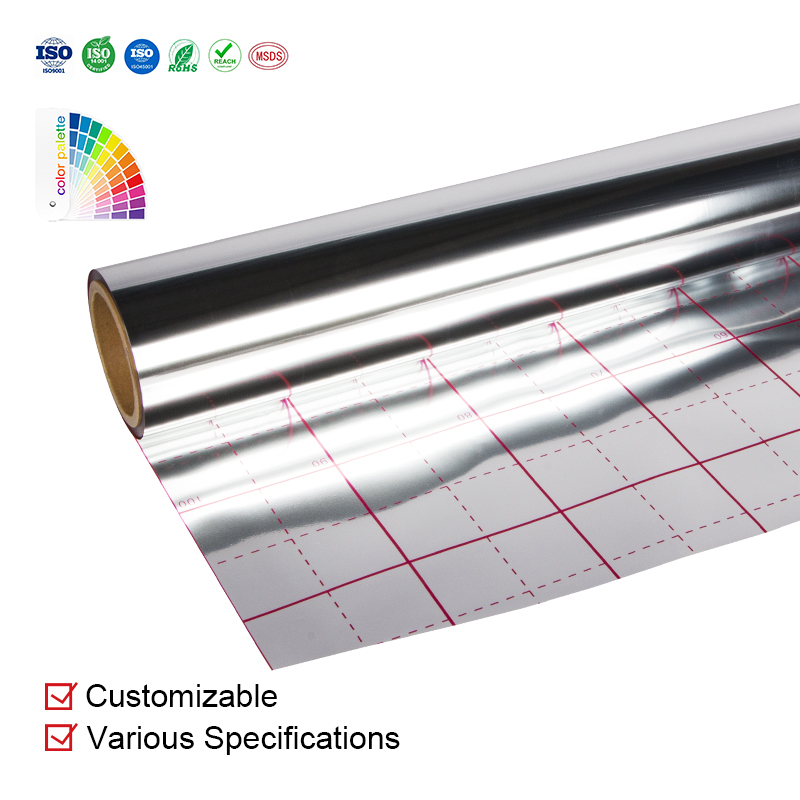
Shade nets look similar on the surface — most are silver-gray, woven or laminated, and sold by the roll. Yet the material inside can be quite different, and the difference is not always visible to the eye. The two mainstream constructions used in agriculture and outdoor shading are metallized film laminated to woven fabric, and aluminum foil bonded to a PE film. They may share the same color, but they behave differently in light reflection, heat load, wind resistance, moisture management, and service life.
For greenhouse builders, agricultural supply buyers, and outdoor shade installers, the real question is not which material is universally "best," but which one fits the application. A net chosen for a cooling-intensive vegetable house will not necessarily work well in a flower greenhouse that needs soft, diffused light. Likewise, a nursery shade system and an outdoor carport cover are evaluated against very different stresses. This article breaks down four common use cases and the selection logic for each.
1. Vegetable Greenhouses: Cooling Is the Priority
Vegetable greenhouses often exceed 35 °C inside during peak sun. The shade net's main job is to lower the heat load while preserving enough light for photosynthesis. For this, metallized film woven shade nets are the most common choice. The metallized surface reflects a large share of infrared radiation, creating a temperature buffer between the roof and the plants. Shade rates of 50 % to 70 % and weights around 70–110 g/m² are typical. In very humid climates, ask for an anti-drip coating on the PE film or fabric to stop condensed water from dripping onto leaves and spreading disease.
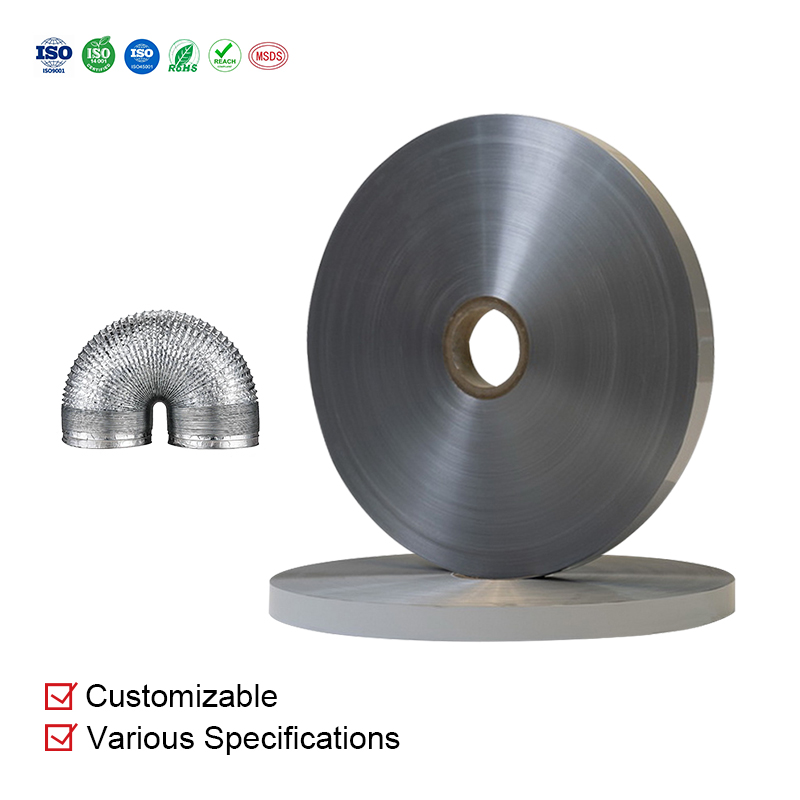
AL/PE composite shade laminates can also be used, especially where some wind or hail protection is wanted, or where the net doubles as an inner thermal screen. A standard 6 μm to 9 μm aluminum foil layer is sufficient for most jobs; the 9 μm grade suits longer service-life requirements or more demanding reflective performance.
2. Floriculture Greenhouses: Diffused Light Matters
Flowers and ornamental plants are sensitive to light quality. Direct, intense sunlight can scorch petals and leaves, so the goal is not maximum shading but light diffusion. A metallized film woven net with a fine, even weave scatters sunlight into soft, diffuse light that fills the canopy without hot spots. Shade rates of 30 % to 50 % are usually enough.
AL/PE composite film works better here as an inner thermal screen: it reflects excess heat during the day and slows heat loss at night. Because it is opened and closed frequently, check the PE layer for flexibility and fold endurance. A stiff film will crack along folding lines after repeated use, causing failures that are expensive to fix during the growing season.
3. Nursery and Seedling Houses: Control Light, Keep Moisture
Young seedlings are short, have weak root systems, and are prone to stretching or drying out under strong light. The typical solution is a two-layer system. The outer layer is a metallized film woven shade net with 60 % to 75 % shade rate to cut the midday peak. The inner layer is an AL/PE reflective film that evens out scattered light and reduces heat loss from the benches, keeping the root zone temperature stable.
Width and rewinding matter in nurseries. Small tunnel nurseries usually need 1–2 m narrow rolls for easy manual handling. Large gutter-connected nurseries benefit from 4 m+ wide rolls combined with automatic rewinding systems. Ask the supplier to slit to the exact span and finish the edges; on-site splicing creates light leaks and weak points.
4. Outdoor Parking and Storage: Durability First
Outdoor shade structures face UV, rain, wind, and mechanical wear. Strength matters more than shading ratio. AL/PE composite shade laminates are often used as the top layer over a woven reinforcement, or a metallized film woven fabric composite is used for its tear resistance. Three checks are critical: weave density, UV stabilization grade, and bond strength between the metal layer and the substrate. A net that flutters in the wind will quickly lose its metal layer if the bond is poor.
Edge finishing is another practical detail. Hemming, grommets, and rope channels should ideally be done at the factory. Cutting or drilling on site damages the aluminum surface and can lead to edge lifting or localized corrosion.
Application Selection at a Glance
| Application | Recommended structure | Shade rate | Key selection points |
|---|---|---|---|
| Vegetable greenhouse | Metallized film woven shade net | 50 %–70 % | Cooling, anti-drip, width |
| Floriculture greenhouse | Metallized film woven net / AL/PE inner screen | 30 %–50 % | Diffused light, fold endurance |
| Nursery/seedling house | Outer metallized woven net + inner AL/PE reflective film | 60 %–75 % | Light control, moisture, width match |
| Outdoor parking/storage | AL/PE laminate or metallized woven fabric composite | 50 %–80 % | UV resistance, wind load, edge finishing |
Three Common Selection Mistakes
Mistake 1: Higher shade rate is always better. Different crops and growth stages need different light levels. Excessive shading reduces photosynthesis and can lower yields. Start with the crop, then pick the shade rate.
Mistake 2: Brighter aluminum means better reflection. Visual brightness is not the same as measured reflectance, especially in the near-infrared range that drives heat. Ask for reflectance data or third-party test reports rather than judging by eye.
Mistake 3: Comparing only unit price. The real cost includes service life, installation labor, and replacement cycles. Width matching, clean slit edges, and a uniform metal layer all affect how much the net actually costs per year of use.
Three Questions to Ask Before Ordering
- Is the reflective layer metallized film or aluminum-foil/PE laminate? The two structures reflect heat differently and suit different environments.
- Do you have UV-aging and bond-strength test data? Outdoor use is unforgiving; documented performance is essential.
- Can you slit to my exact span and finish edges with hems and grommets?
Hangzhou Hongcheng Technology specializes in aluminum foil laminates and PE-coated composite materials, supplying greenhouse and outdoor shade projects with metallized film woven shade net laminates, AL/PE composite shade materials, and other reflective laminates in custom widths, structures, and edge finishes. If you would like samples or a structure comparison for your next project, contact us directly.
+86 13758223270 Email: wendy@hcdxcl.com.cn
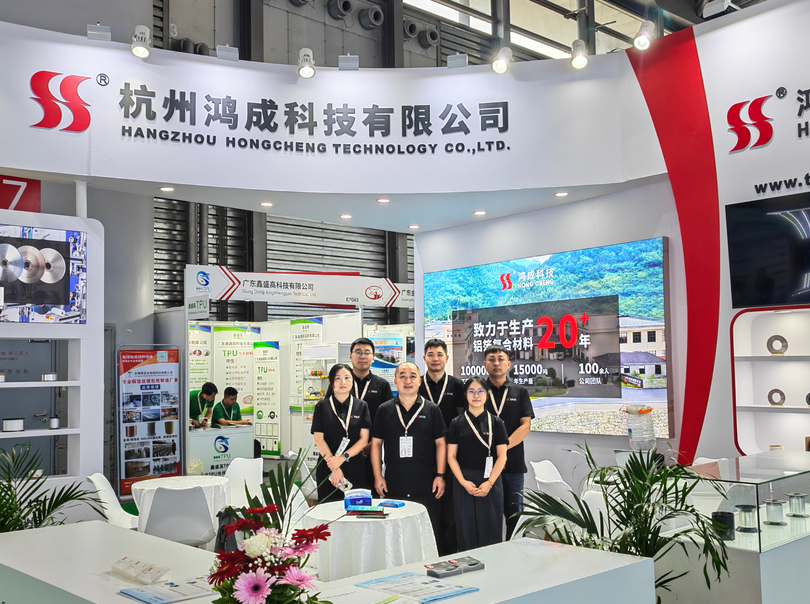
Hongcheng Technology at wire China 2026
How Is Flexible Duct Facing Laminate Made?
Related Article