AL/PE Heat-Seal Laminate vs Metallized Film — Selection Essentials
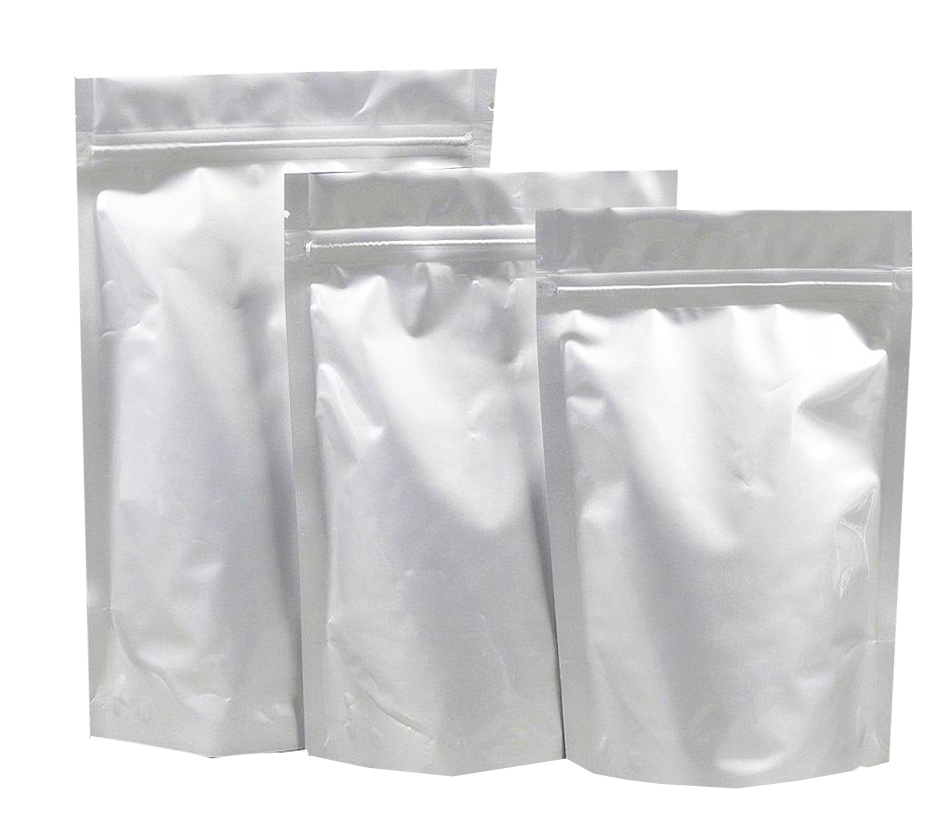
The same thermal bag production line can produce two very different outcomes: one batch keeps drinks cold for most of the day, another loses its chill within a couple of hours; one bag opens with no smell, another triggers a customer complaint the moment it holds a meal; one seam holds firm, another leaks at the heat seal. When cooler bag factories trace these problems back, the cause is often the innermost layer—the aluminum film. The two workhorse materials for thermal bags are AL/PE heat-seal laminated film (pure foil plus PE) and metallized laminated bag material (VMPET-based). How do you choose? Here are four selection essentials, one by one.
First, Know the Two Materials
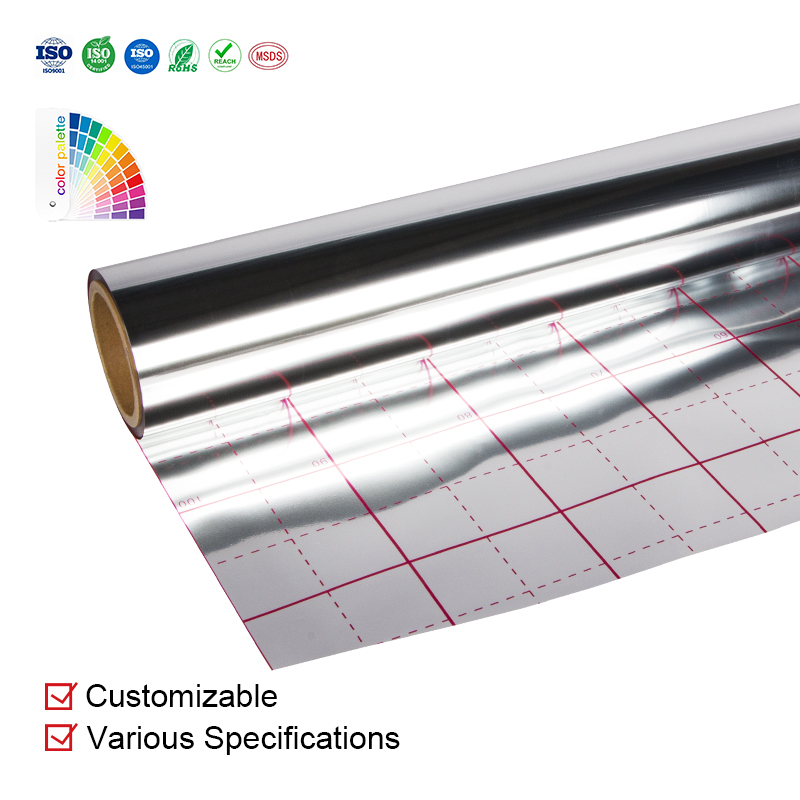
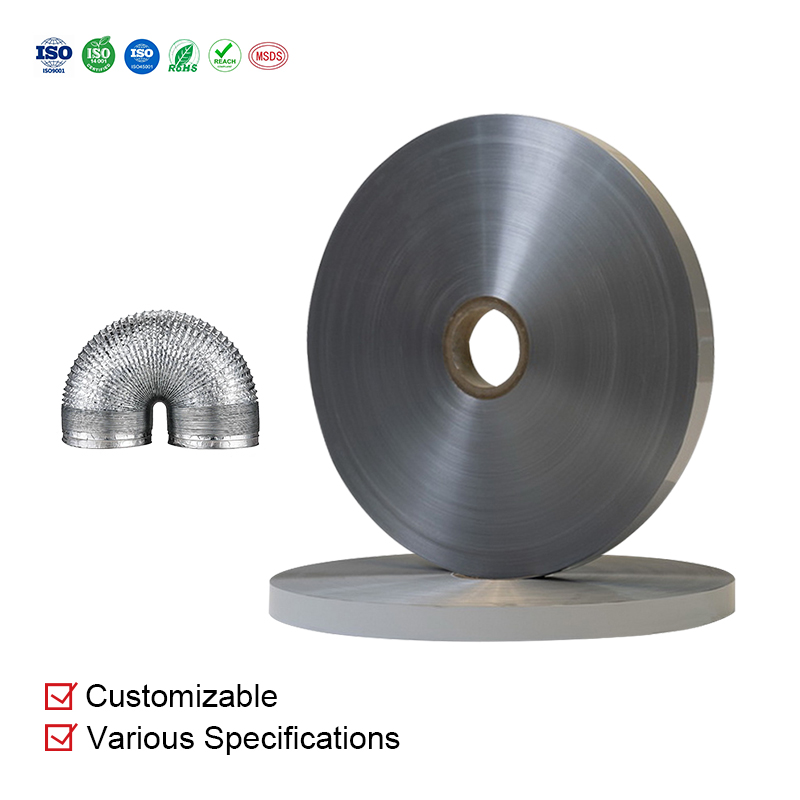
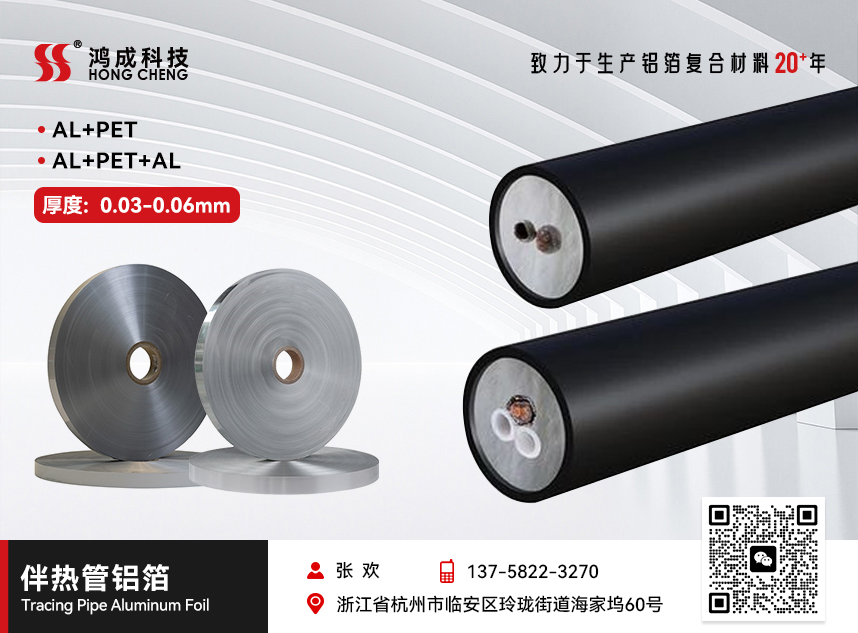
AL/PE heat-seal laminated film: pure aluminum foil (typically 6μm to 9μm) laminated with a PE layer. The foil side reflects radiant heat and blocks moisture; the PE side provides the heat-seal layer for bag making. With high reflectivity and strong barrier performance, it is the mainstay of mid-to-high-end thermal bags.
Metallized laminated bag material: built on VMPET (vacuum-metallized PET), where the aluminum layer is a molecular-level deposition of only 0.02μm to 0.05μm, laminated with PE. It offers a strong mirror-like appearance, good stiffness, and a much lower cost—well suited to price-sensitive everyday products.
Neither material is absolutely better. The right choice depends on product positioning and end use. The four essentials below will help you match material to product.
Essential 1: Set the Insulation Grade First, Then the Aluminum Layer
Insulation duration comes primarily from how well the aluminum layer reflects radiant heat. Pure aluminum foil typically achieves reflectivity above 85%, while metallized structures generally reach around 75%. The gap looks small on paper, but it translates into hours of difference in real cold retention.
Matching guide: for products sold on insulation performance—gift cooler bags, breast-milk totes, outdoor thermal packs—choose AL/PE heat-seal laminated film. For promotional giveaway bags, single-use coolers, and everyday short-duration thermal bags, metallized bag material is the better value, typically costing 30% to 50% less overall. One reminder: never judge reflectivity by visual brightness. Ask the supplier for a reflectivity test report and compare batches with actual measurements—the difference is obvious once tested.
Essential 2: The PE Heat-Seal Layer Determines Whether the Seam Leaks
Thermal bags are predominantly made by heat sealing, so the quality of the PE layer directly determines seam yield. Confirm three parameters with your supplier:
- Heat-seal temperature window: conventional PE sealing layers seal between 110°C and 150°C. A wider window means high-speed bag making is less likely to burn through or under-seal.
- Heat-seal strength: agree on a tested value with your supplier based on content weight and bag-making speed; as a general benchmark, not below 6N/15mm.
- PE layer thickness: 15μm to 30μm is normally sufficient. Thicker adds cost; thinner risks weak seams.
In addition, many thermal bags laminate the film to EPE foam or nonwoven fabric before bag making. The lamination method (adhesive bonding or thermal lamination) must match the film's surface treatment—verify this together during sampling to avoid bonding failures at volume production.
Essential 3: Fold Endurance and Bond Strength Decide Bag Lifetime
Thermal bags are opened, closed, and folded repeatedly. If the aluminum layer cannot survive bending, nothing else matters. Two quick checks: first, measure peel strength—for AL/PE heat-seal laminate we recommend no less than 1.5N/15mm. Second, fold the sample twice; the aluminum layer at the crease must not crack or flake. Apply the same standard to metallized material: its molecular-level aluminum layer loses barrier performance noticeably after folding, so bond strength is the safety net.
Essential 4: Odor and Compliance—Food Contact Must Be Documented
Thermal bags mostly carry meals, breast milk, and beverages, which makes odor a top complaint category. Prefer films produced by solvent-free lamination: lower residual solvent means lower risk of off-odor when the bag is opened. For any bag in direct food contact, require food-contact compliance documents from your supplier—such as GB 4806 series test reports, EU Regulation (EU) No 10/2011 declarations of conformity, or LFGB reports. This is a hard threshold for export orders and supermarket channels: without documentation, even good material cannot enter the market.
One Table to Decide
| Dimension | AL/PE heat-seal laminate | Metallized bag material |
|---|---|---|
| Aluminum layer | Pure foil, typically 6μm-9μm | Metallized layer approx. 0.02μm-0.05μm |
| Reflectivity | Above 85% (measured) | Around 75% |
| Insulation | Longer cold/heat retention | Adequate for short duration |
| Fold endurance | Flexible foil, stable under bending | Relies on bond strength |
| Cost | Higher | 30-50% lower |
| Best for | Gift bags, breast-milk totes, outdoor packs | Promotional bags, single-use coolers, everyday bags |
Three Mistakes That Cost Money
Mistake one: brighter means better insulation. Metallized film looks more mirror-like, but its reflectivity is lower than pure foil. Brightness is an appearance metric; reflectivity is the performance metric. Trust the test report, not the eye.
Mistake two: thicker foil always insulates better. The standard 6μm-9μm range already meets reflection needs; the thick end of the range (9μm) mainly improves abrasion and fold endurance, not insulation duration. Retention time depends on foil integrity and bond strength, not on stacking thickness.
Mistake three: comparing only unit price. "Thermal bag aluminum film" can mean pure foil or metallized, with a 30-50% price gap, plus differences in PE thickness and food-contact documentation. Ask suppliers to state structure, foil thickness, grammage, and compliance documents on every quotation—only then does a price comparison mean anything.
Final Words
As a specialized manufacturer of foil laminates, Hangzhou Hongcheng Technology supplies thermal bag and insulated bag factories with AL/PE heat-seal laminated film and metallized (VMPET-based) laminated bag material, all produced to order. Foil thickness from 6μm to 9μm; widths and grammage can be custom-slit to match your bag patterns and production process. Reflectivity, peel strength, and heat-sealing data are provided with shipments, and sample rolls are supported for trial runs.
Purchasing colleagues at thermal bag factories are welcome to contact us with your product positioning and insulation duration targets. We will propose a matched film specification for your products.
+86 13758223270、Email: wendy@hcdxcl.com.cn
Luggage Bag Lining Material Buying Guide: How to Avoid VMPET Woven Fabric Traps
Duct Manufacturer's Guide: Choosing Single-Sided or Double-Sided Foil Facing by Application
Related Article