Underfloor Heating Reflective Film: How Installers and Distributors Choose by Application Scenario
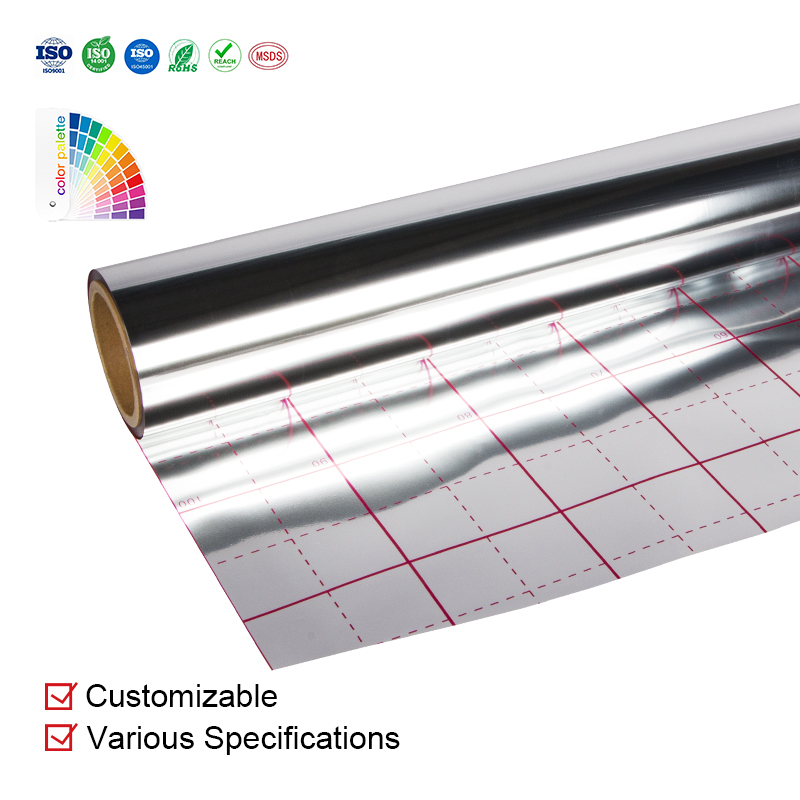
In the bill of materials for a radiant floor heating project, the reflective film rarely gets much attention. It is sold by the square meter, priced well below insulation boards and pipes, and sandwiched between layers where nobody sees it. Yet its function is specific and measurable: it reflects the radiant heat that the heat source emits downward back up into the room. Choose the right film for the job, and the floor warms faster while the system runs more efficiently; choose wrong, and complaints about uneven floor temperature can follow for years. That is why underfloor heating installers and building-material distributors keep asking the same question: the films all look alike, so why do prices per square meter differ so widely? The honest answer is that they are not the same product, because the scenarios they serve are not the same.
Two Material Routes
Two constructions dominate the market. The first is VMPET reflective laminate: a metallized film on a PET substrate serves as the reflective layer, laminated with a PE protective layer and optionally printed with grid lines that mark pipe spacing. It is cost-efficient, lies flat, and is the mainstream choice for mid-range residential projects. The second is AL/PE reflective laminate: an aluminum foil layer within the conventional 6μm to 9μm supply range (the 9μm grade being the heavier option), heat-bonded to a PE layer. It offers higher reflectivity and better resistance to oxidation and corrosion, which suits projects with stricter energy-performance requirements. Neither route is universally superior; the right question is which scenario the film will serve.
Scenario 1: Residential Wet Systems with Screed
This is the most common project type. After the film is laid, a cement screed is poured over it, and the film spends its service life in a damp, mildly alkaline environment. Three checkpoints matter here. First, bond strength: if the peel strength between the reflective layer and the PE layer is insufficient, the metal layer can powder or transfer after the screed is poured, and reflectivity drops sharply. Second, bubble rate: bubbles create local thermal resistance, and over time the floor heats unevenly. Third, the clarity of the pipe-spacing grid lines, which directly affects pipe-laying speed on site. For this scenario, VMPET reflective laminate with a PE protective layer is a sound choice — but the structure must keep the metal layer from contacting the cement directly.
Scenario 2: Electric Systems and Dry Installation
With electric heating cables and heating mats, the film sits close to or in contact with the heat source and has no concrete layer protecting it, so the requirements move up a grade. Flatness must be better: without a screed, bubbles and wrinkles act directly as local thermal barriers, and uneven floor surface temperature is easy for occupants to notice. Puncture and tear resistance must be better too, because installers walk on the film while laying heat-spreading plates, and a single-layer film splits at the first hard pull. For electric and dry systems, AL/PE reflective laminate with the 9μm foil grade is the practical recommendation, with flatness and tear resistance treated as key acceptance items.
Scenario 3: Large Commercial and Public Buildings
Office buildings, hotels and schools share three characteristics: large areas per floor, many installation crews, and tight schedules. Here the selection logic shifts from parameter extremes to dimensional fit and batch consistency. Roll width should match the insulation board modules — 1 m, 1.2 m and 1.5 m are common — because a film that is too narrow forces overlaps that waste labor, while doubled-up overlap zones add thermal resistance rather than removing it. Batch consistency matters just as much: crews working side by side should use film from the same production batch, so performance stays uniform across the whole floor. Width, batch and tolerance requirements belong in the contract, and buyers should favor manufacturers that can customize widths and sustain long-term stable supply.
Scenario 4: Retrofit and Thin-Build Installation
Retrofit projects work within a limited structural depth, where every centimeter of build-up counts. The reflective film has to help the insulation board buy back thickness, so the watchword is thin but strong. The structure can be slim, but tear resistance cannot be compromised — especially cross-direction tear strength, because the film is pulled and tensioned during pipe laying, and a film that splits easily turns a retrofit schedule into a rework schedule.
Selection at a Glance
| Scenario | Recommended material | Key parameters | Core focus |
|---|---|---|---|
| Residential wet system | VMPET laminate with PE protection | Bond strength, bubble rate | Screed durability, grid lines |
| Electric / dry system | AL/PE reflective laminate | 9μm foil grade | Flatness, puncture and tear resistance |
| Large commercial areas | Custom-width laminate | Width 1 m–1.5 m | Width match, batch consistency |
| Retrofit thin-build | Thin-profile AL/PE laminate | Tear strength | Cross-direction tearing, slim structure |
Three Common Mistakes
Mistake 1: one cheapest film for every project. Thin single-layer film used in demanding scenarios bubbles and delaminates after the screed is poured, the floor heats unevenly, and the troubleshooting that follows costs far more than the money saved on the film.
Mistake 2: comparing reflectivity numbers while ignoring the bonding process. A datasheet reflects laboratory conditions; what survives the screed depends on peel strength and aging resistance. Ask suppliers for peel-strength data and verify by keeping reference samples.
Mistake 3: treating roll width as a minor detail. Width that does not match the insulation boards leads to on-site cutting and excessive overlaps — wasting material, adding thermal resistance and burning installation labor at the same time.
Three Actions Before Ordering
First, request samples and run a screed simulation: soak and dry the sample, then inspect it for bubbles and metal-layer transfer. Second, write peel strength, thickness and width tolerances into the contract, and check incoming goods against them. Third, verify the manufacturer's ability to customize widths and hold batch consistency — reflective film is a volume material, and long projects depend on stable supply more than on any single good price.
Hangzhou Hongcheng Technology specializes in aluminum foil laminates and PE-coated composite materials, supplying underfloor heating installers and building-material distributors with underfloor heating reflective film, VMPET reflective laminates and AL/PE reflective laminates in custom widths, structures and grid-printing options. Samples and technical data are available on request — contact us to discuss your next project.
Techfoil +86 13758223270 Email: wendy@hcdxcl.com.cn
HVAC Retrofit Programs Are Reshaping Flexible Duct Demand: A Procurement Guide to Duct Facing Materials