How to Choose Foil Laminate for Warm Edge Spacer Bars: Key Points for Insulating Glass Converters
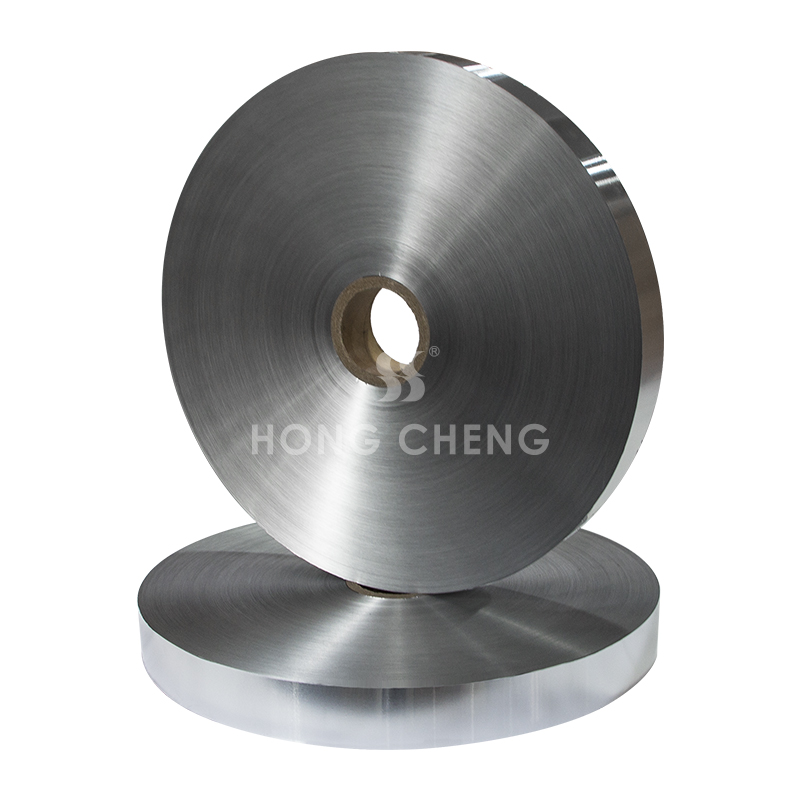
A common frustration in warm edge spacer bar production is batch-to-batch inconsistency in the laminate: some runs form smoothly and bond firmly, while others show wrinkling, weak peel, or dull surfaces. The cause is usually not the forming process itself but decisions — or non-decisions — made at the material specification stage. As a supplier of foil laminate rolls to spacer bar converters, we would like to break the selection process into five practical points so that buyers know what to ask, what to verify, and what to write into the contract.
What the Laminate Actually Does on a Spacer Bar
The warm edge spacer sits between the two panes of an insulating glass unit. It provides structural support and sealing, and it directly affects the thermal transmittance of the finished window. The foil laminate on the spacer performs three jobs at once. First, it is the corrosion-protective and cosmetic outer layer, isolating the aluminum profile from moisture. Second, it is the barrier layer that slows vapor ingress into the cavity and protects the desiccant's service life. Third, its PE layer is the functional bonding layer that laminates to the polypropylene-based spacer profile. A material choice therefore has to satisfy appearance, barrier and bonding simultaneously — selecting purely on price will surface as problems later in forming or in the field.
Point 1: Pure Foil or Metallized Film?
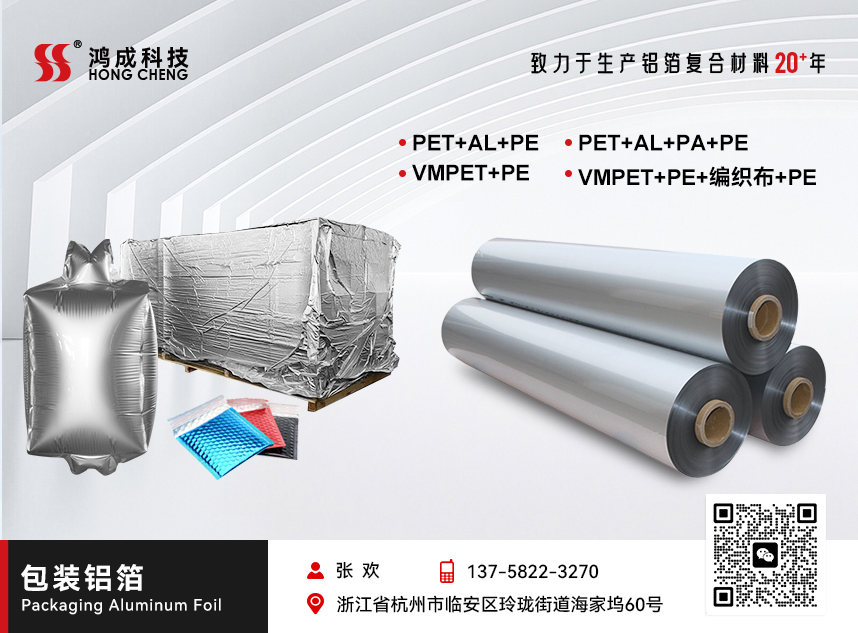
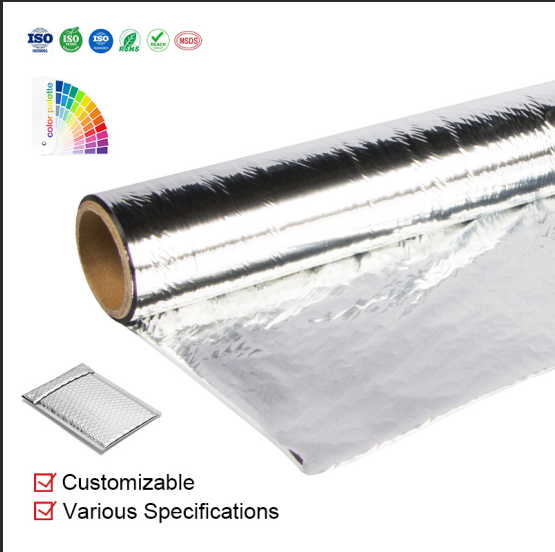
This is the first fork in the road, and the most common place to go wrong. A laminate built on pure aluminum foil (an AL/PE structure) offers a continuous foil layer, stable barrier performance and uniform surface brightness, which suits spacer bars with demanding vapor-barrier and appearance requirements. A metallized structure (VMPET/PE) costs less, but the metallized layer is a molecular-scale deposition: its water vapor transmission rate is clearly higher than pure foil, and brightness can vary between batches. The two are easy to distinguish on incoming inspection — measure surface resistance; pure foil reads very low, metallized film reads noticeably higher. If the end market is energy-efficient glazing where whole-window U-value and appearance are subject to acceptance checks, specify pure foil first. Metallized structures suit mid- and lower-spec products with relaxed barrier requirements, but state the intended use in the contract so the structure is not mismatched to the application.
Point 2: Specify Foil Thickness Within Conventional Grades
Conventional foil supply thicknesses for spacer bar laminates run from 6μm to 9μm, with the heavy grade being 9μm. When a quotation shows a thickness well outside this conventional range at an attractive price, the savings usually come from thinning the PE functional layer or lowering lamination strength — costs that resurface during forming or weathering. Ask suppliers to list foil gauge, foil grammage and PE layer thickness as three separate line items, and negotiate by grade rather than by one vague total weight.
Point 3: Verify the PE Layer Against Your Hot-Press Window
In spacer production, the PE layer of the laminate is hot-pressed onto the spacer profile. If the PE layer is too thin, the bond is weak; too thick, and forming accuracy suffers. Confirm the PE thickness range with the material supplier, then validate with trial runs on your own press: check peel strength (we recommend specifying no less than 1.5N/15mm) and inspect flatness and edge curl after hot pressing. Every converter's temperature and pressure curves differ, so a laminate that runs well on one line may need adjustment on another. Skipping the trial-sample step is a false economy.
Point 4: Appearance Standards Define the Product Grade
The spacer edge is visible from the side of the assembled unit. Streaks, bright spots and wrinkles will be flagged on site. Incoming inspection should cover surface defects such as gels and press marks, foil pinholes visible against light, and roll end-face flatness without loose or tight edges. Establish first-middle-end sampling per batch and a sealed-reference-sample system with the supplier, with acceptance judged against the sealed samples rather than verbal descriptions.
Point 5: Put the Key Parameters in the Contract and Keep Batch Samples
A spacer bar is part of the window's sealing system. One batch with weakened lamination can cost an entire run of spacers — and the downstream glass converter's delivery schedule with it. The contract should state clearly: foil type (pure foil or metallized), foil thickness grade (6μm-9μm), minimum peel strength, width and roll specifications, and the appearance acceptance standard. Retain sealed samples of every incoming batch for traceability.
The Selection Sequence in One Line
Decide the foil type first (pure foil versus metallized), then fix the thickness grade and the matching PE layer, validate hot-press bonding and peel with trial samples, and finally lock the appearance standard and sample-retention system into the contract. Following that order keeps most downstream problems out of the plant.
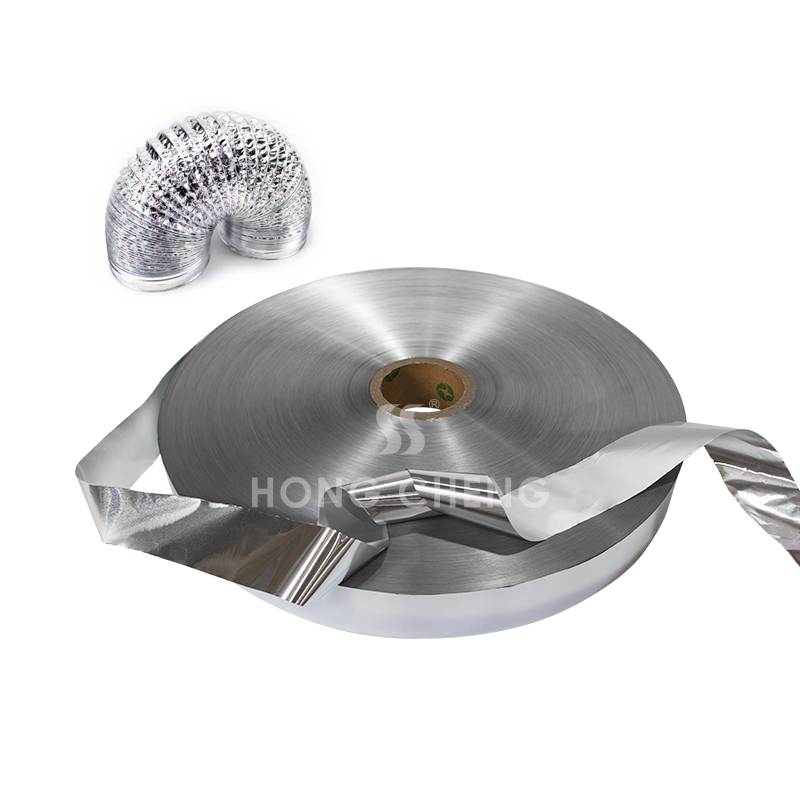
Hangzhou Hongcheng Technology manufactures foil laminates, AL/PE laminates and metallized film composite rolls for warm edge spacer bars and energy-efficient glazing applications, with custom structures, widths and thicknesses matched to each converter's hot-press process. As a raw material supplier we do not manufacture finished spacer bars, but we are glad to work through the structure decision with converters. +86 13758223270, Email: wendy@hcdxcl.com.cn
Aluminum Foil Laminated Materials: A Practical Guide to Applications in Shielding, HVAC, Insulation and Packaging
After the Panels Go Up: Three Shifts in Waterproofing Membrane Selection for PV Roofs