How AI Data Center Growth Is Reshaping AL/PE and VMPET Flexible Duct Facing Demand
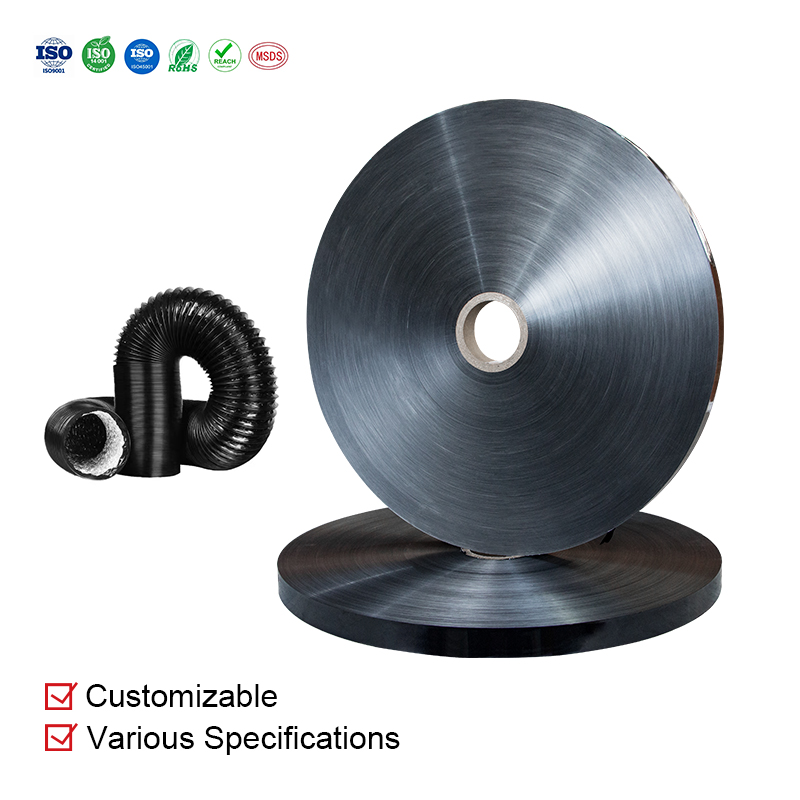
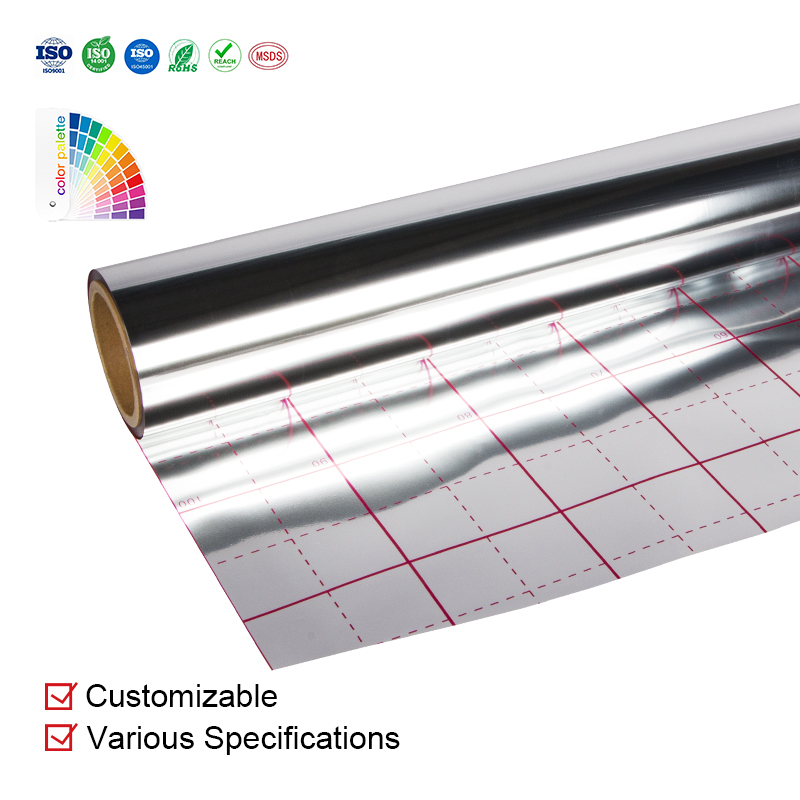
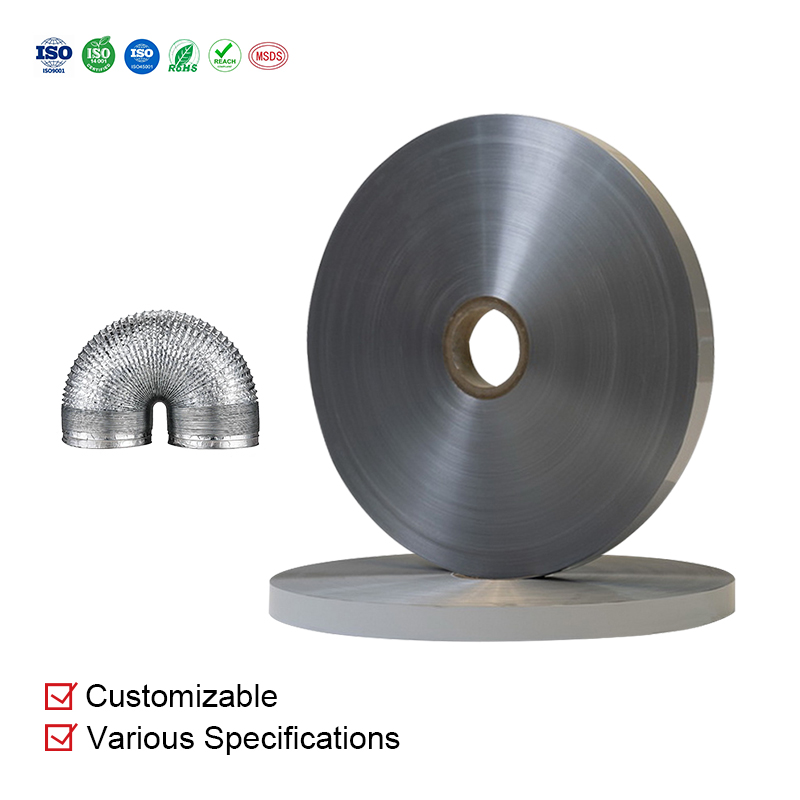
In 2026, global AI computing infrastructure is entering a new expansion cycle. The dense deployment of training clusters, inference servers, and hyperscale cloud facilities has multiplied heat loads inside machine rooms. Conventional air-conditioning and duct systems can no longer keep up with the ventilation and temperature control demands of high-density racks, creating a procurement boom for flexible ventilation ducts and their facing materials. AL/PE composite duct facing and VMPET metallized film duct wrap are gaining attention because they are lightweight, available in custom widths, and deliver stable reflective insulation performance.
Data centers impose requirements on flexible duct facing that differ significantly from ordinary commercial buildings. First, machine rooms operate at high load year-round, so duct facing must endure repeated temperature cycling between 25°C and 45°C while withstanding continuous airflow from air-handling units. Second, data centers are sensitive to particulate contamination; dusting, delamination, or aluminum pulverization of facing materials can degrade air quality and shorten equipment life. Third, hyperscale facilities increasingly use modular pre-fabricated ducts, which call for coils with uniform widths, fewer joints, and easy automated wrapping. These characteristics mean that selecting AL/PE and VMPET for data center applications requires moving beyond the habit of judging materials by thickness alone.
AL/PE flexible duct facing combines an aluminum foil layer with a PE extrusion lamination, delivering both metallic reflective insulation and plastic moisture resistance. In data center fresh-air and return-air ducts, AL/PE facing reduces condensation risk on the outer duct surface while reflecting radiant heat through the foil layer to limit cooling loss. For spiral ducts and insulated flexible hoses commonly found in medium and large data centers, the recommended aluminum layer thickness typically ranges from 7 microns to 12 microns, while the PE layer thickness is matched to heat-seal strength and flexibility requirements. Because airflow velocities inside data center ducts are relatively high, the bond between facing and insulation directly affects service life. Buyers should focus on peel strength and heat-seal temperature window rather than comparing aluminum thickness alone.
VMPET metallized film duct wrap is another material that is rapidly gaining share in data centers. Compared with pure aluminum foil, VMPET offers lower weight, better cost control, and higher crack resistance under repeated bending, making it especially suitable for short branch lines with multiple elbows inside machine rooms. Recent advances in metallizing technology have brought the optical reflectivity of high-grade VMPET close to that of foil, giving it strong performance in cold-aisle containment and underfloor air distribution where reflective insulation matters. However, the aluminum layer in VMPET is thinner, so its durability is limited in aggressive gas environments or outdoor exposure. It is therefore better recommended for indoor data centers or new facilities with good environmental control.
In practice, AL/PE and VMPET are not simply substitutes; they complement each other by scenario. For main machine rooms and electrical distribution areas, where interference shielding and long-term stability are critical, AL/PE composite duct facing is usually the safer choice. For office support zones, corridor ceilings, and temporary modular expansions, VMPET metallized film duct wrap can meet performance targets while controlling cost. In addition, data center projects often involve extensive standard customization. Coil width, roll length, printed identification, and flame-retardant ratings all need to be aligned with duct fabricators and engineering contractors in advance to avoid rework caused by mismatched specifications.
Several common misconceptions persist in the market. Some buyers assume that thicker facing is always better, but excessive aluminum thickness increases hose stiffness, reduces installation conformity, and can impair airflow efficiency. Others treat VMPET and pure foil as interchangeable and use VMPET outdoors or in high-temperature exhaust applications, accelerating aluminum oxidation. Still others substitute low-cost PE film for extrusion lamination to cut price, which sacrifices heat-seal strength and aging resistance. Avoiding these pitfalls requires clarifying the application scenario, requesting third-party test reports, and running small trial batches before scaling up.
As a specialized manufacturer of aluminum foil composite materials and PE extrusion laminates, Hangzhou Hongcheng Technology Co., Ltd. supplies customized coils including AL/PE flexible duct facing and VMPET metallized film duct wrap for data center HVAC projects. We support project-specific adjustments to aluminum thickness, PE lamination weight, coil width, and roll diameter, with strict control of peel strength, heat-seal performance, and temperature resistance testing. If you are looking for a reliable raw-material supplier for data center ventilation ducts, please contact us for samples and technical proposals.
+86 13758223270、Email: wendy@hcdxcl.com.cn
Which Insulation Board Facing Is Right for You?
How to Choose AL/PET Shielding Tape for Data Center and PoE Cables
Related Article