How to Choose Aluminum Foil Bubble Film for Insulated Box Liners
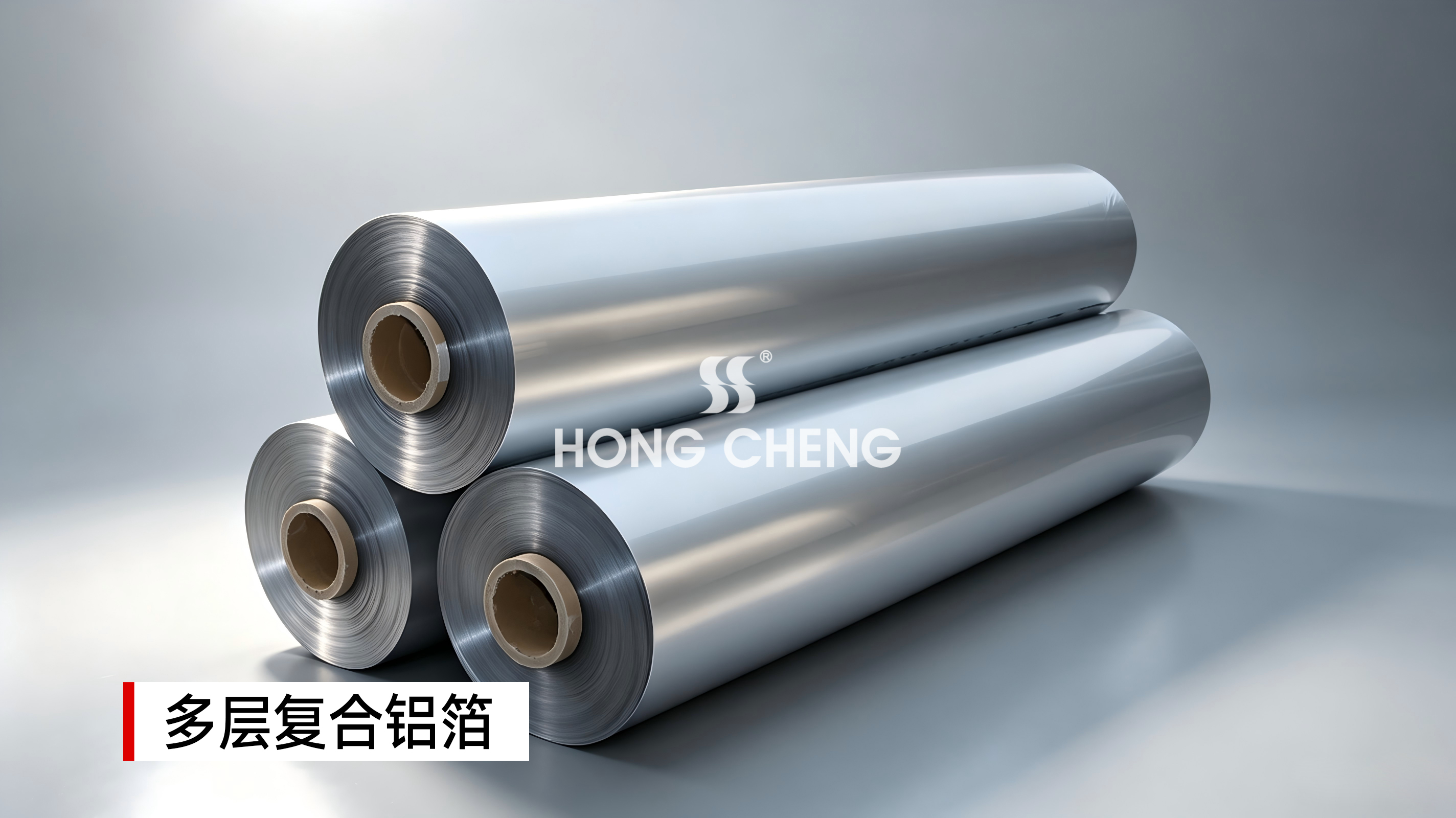
From August through October, fresh e-commerce, pharmaceutical cold chain, and ready-to-eat meal delivery all enter their peak season. The insulated box liner, a core consumable in cold-chain packaging, directly determines whether products maintain acceptable temperatures during the last mile. Among the many thermal packaging solutions available, aluminum foil bubble composite film has become one of the mainstream raw materials for insulated liners because it combines reflective insulation, cushioning protection, and light weight. With so many specifications on the market, how should downstream converters select materials from the source and control quality?
1. How Aluminum Foil Bubble Composite Film Works
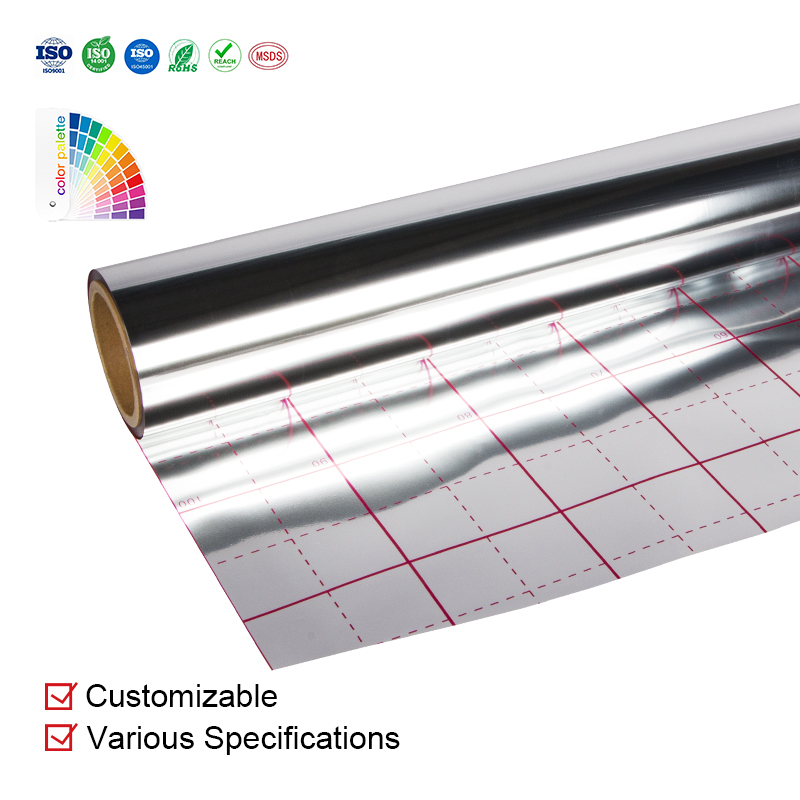
A typical aluminum foil bubble composite film consists of an outer aluminum foil reflective layer, a middle bubble cushioning layer, and an inner PE heat-seal layer. Its insulating effect does not depend on the thickness of a single material, but on the synergy of three mechanisms: the aluminum foil layer reflects external radiant heat through its low emissivity, the bubble layer blocks conductive heat with trapped air, and the PE layer provides heat-seal performance and a degree of moisture resistance.
In practice, aluminum layer thickness, bubble diameter and height, PE film grammage, and composite peel strength together determine the finished liner's insulation duration and compression resistance. If the aluminum layer is too thin, pinholes and creases easily form, reducing reflectivity. If the bubble layer is too thick, it consumes valuable box volume; if too thin, cushioning becomes inadequate. If the PE layer grammage is too low, heat-sealed edges are prone to air leakage, undermining thermal sealing performance.
2. Matching Material Structure to Application Scenarios
Different cold-chain scenarios place distinctly different demands on insulated box liners. Fresh e-commerce delivery cycles are usually within 24 hours, so converters prioritize light weight and cost control. A double-sided aluminum foil single-bubble structure is generally suitable for this segment.
Pharmaceutical cold chain and biological reagent transport demand higher temperature stability. These applications often require triple-layer aluminum foil double-bubble structures or composites with EPE foam to extend insulation time.
Dairy products and ready-to-eat meals fall somewhere in between. In addition to insulation, they must also resist grease, water vapor, and light compression. For these uses, it is better to add an oil-resistant PE film on the inner side of the aluminum foil bubble composite or apply local reinforcement. By configuring different layer counts and substrates for different scenarios, converters can strike the right balance between cost and performance.
3. Four Key Parameters Often Overlooked
First, reflectivity. The lower the emissivity of the aluminum foil layer, the stronger its reflective insulation capability. Conventional 9-micron aluminum foil has an emissivity of roughly 0.03 to 0.05. If the aluminum layer is too thin or its surface is heavily oxidized, reflectivity drops noticeably.
Second, bubble structure stability. Bubble diameter, bubble height, and the puncture resistance of the bubble film determine whether the material collapses during folding, box insertion, and transit. Once the bubble layer collapses, thermal insulation drops significantly.
Third, composite peel strength. Insufficient peel strength between the aluminum foil, bubble, and PE layers can lead to delamination, blistering, and even air leakage. In cold-chain packaging, delamination severely weakens insulation.
Fourth, heat-seal temperature and window. The melt index and formulation of the PE heat-seal layer directly affect downstream bag-making. A narrow heat-seal window makes line tuning difficult; insufficient seal strength causes封口 cracking under stress.
4. Three Common Purchasing Mistakes
Mistake one: thicker is always better. Insulation is not determined by thickness alone, but by the matching of material structures. An overly thick liner reduces usable box volume and can increase logistics costs.
Mistake two: focusing only on unit price instead of total cost. Lower-priced materials may mean a thinner aluminum layer, easily collapsed bubbles, or weak composite strength. The hidden costs of returns, damage, and customer complaints usually far exceed any material savings.
Mistake three: ignoring seasonal volatility and delivery reliability. Cold-chain orders concentrate during peak season, and raw material supply can fluctuate. Choosing a supplier with stable lamination and slitting capabilities ensures on-time delivery when demand surges.
5. Controlling Quality from the Source
As a specialized manufacturer of aluminum foil composite materials and PE laminated composites, Hongcheng Technology supplies aluminum foil bubble composite film raw materials for insulated boxes, cold-chain packaging, and building insulation applications. Products can be customized in aluminum layer thickness, bubble specification, PE film grammage, and roll width to match different bag-making, slitting, and lamination processes.
If you are stocking up for the coming cold-chain peak season or looking to optimize your current insulated box liner structure, please contact us for samples and technical support.
+86 13758223270 | Email: wendy@hcdxcl.com.cn
Techfoil
Cold Brew Tea Foil Packaging Guide: Summer RTD Tea Laminate Selection
How to Select Antimicrobial VMPET Duct Facing for High-Humidity HVAC Systems
Related Article