Analysis and Preventive Measures for Spots on the Appearance of Aluminum Foil Bags
2025-06-27
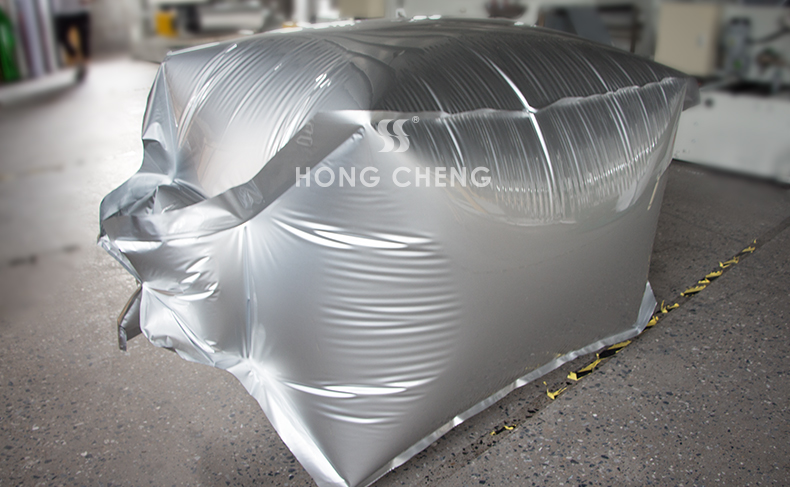
Aluminum foil bags, as a packaging material widely used in food, medicine, electronics and other industries, are crucial in quality. However, in actual production and use, spots may sometimes appear on the surface of aluminum foil bags, which not only affect the product appearance but also potentially impact the quality of the packaged contents. This article deeply analyzes the causes of spots on the surface of aluminum foil bags and proposes corresponding preventive measures.
Causes of Spots on the Surface of Aluminum Foil Bags
(1) Raw Material Issues
- Poor aluminum foil quality: If the aluminum foil itself has problems such as impurities, oxidation, or improper surface treatment, it may show spots after being made into aluminum foil bags. For example, tiny metal particles or non-metallic impurities may be mixed into the aluminum foil during production, which may become prominent and form spots during subsequent processing and use.
- Ink quality problems: Poor quality of printing inks can also cause spots on the surface of aluminum foil bags. If the ink contains impurities, uneven pigment dispersion, or weak adhesion to aluminum foil, spot-like defects may occur after printing. Specifically, low surface tension of the ink leads to uneven glue coating and inconsistent glue application; poor ink performance fails to achieve complete coverage; excessively high glue viscosity; and incompatibility between ink and glue can all cause surface spots.
(2) Production Process Issues
- Printing process: Improper operation during printing may cause spots. For instance, uneven printing pressure, inappropriate ink viscosity, or too fast printing speed can lead to uneven ink distribution on the aluminum foil surface, forming spots. Additionally, if the printing equipment is not clean enough, residual ink or impurities may transfer to the aluminum foil bag surface during subsequent printing, causing spots.
- Lamination process: Aluminum foil bags are typically composed of multiple layers of materials, and problems in the lamination process can also lead to spots. For example, inappropriate lamination temperature and pressure, or uneven adhesive coating, may affect the lamination effect, causing spots on the bag surface. Furthermore, if dust, impurities, etc., are mixed in during lamination, or the static time is too short (the volatilization time fails to meet the requirement of the aluminum foil bag itself), spots will form on the surface of the finished bag.
- Bag making process: Improper operations such as cutting and sealing during bag making may damage the surface of the aluminum foil bag, forming spots. For example, a dull cutting tool may cause burrs or scratches on the aluminum foil surface, which may appear as spots under light irradiation.
(3) Storage and Transportation Issues
- Humid environment: If aluminum foil bags are stored or transported in a humid environment, the aluminum foil surface may oxidize or get damp, leading to spots. Especially in high-humidity environments, aluminum foil bags easily absorb moisture from the air, causing changes in the ink or coating on the aluminum foil surface and forming spots.
- Squeezing and collision: During storage and transportation, if aluminum foil bags are subjected to external forces such as squeezing or collision, dents, scratches, or other damages may occur on the bag surface, which may also manifest as spots. In addition, if the packaging is not firm, aluminum foil bags may rub against each other during transportation, resulting in spots.
Measures to Avoid Spots on the Surface of Aluminum Foil Bags
(1) Strictly Control Raw Material Quality
- Select high-quality aluminum foil: When purchasing aluminum foil, choose suppliers with good reputation and reliable quality, and strictly inspect the aluminum foil quality to ensure a smooth surface, no impurities, and low oxidation degree. The quality can be evaluated by testing indicators such as aluminum foil thickness, tensile strength, and air permeability.
- Use high-quality inks: Select inks with good compatibility and stable quality with aluminum foil. The ink pigments should be evenly dispersed, free of impurities, and have good adhesion and weather resistance. Before using the ink, fully stir and filter it to remove impurities.
(2) Optimize the Production Process
- Printing process control: Adjust the printing pressure, ink viscosity, and printing speed to ensure uniform ink distribution on the aluminum foil surface. Regularly clean and maintain the printing equipment to keep it in good condition. During printing, pay attention to controlling the ambient temperature and humidity to avoid affecting the printing quality due to environmental factors.
- Lamination process optimization: Strictly control the lamination temperature, pressure, and adhesive coating amount to ensure good lamination effect between each layer of material. Before lamination, clean the materials to remove surface dust and impurities. Meanwhile, select appropriate adhesives to ensure their compatibility with aluminum and other materials.
- Standardize bag making process: Use sharp cutting tools to ensure neat cuts without burrs. During sealing, control the sealing temperature and pressure to ensure firm sealing and no leakage. Regularly maintain and service the bag making equipment to ensure its precision and stability.
(3) Pay Attention to Storage and Transportation Conditions
- Maintain a dry environment: When storing and transporting aluminum foil bags, choose a dry and well-ventilated environment. Avoid placing aluminum foil bags in humid places such as basements or warehouse corners. Desiccants or dehumidifiers can be used to control the environmental humidity.
- Proper packaging and handling: Use suitable packaging materials to package aluminum foil bags, ensuring firm and intact packaging. During handling, handle with care to avoid squeezing and collision. Pallets, shelves, and other equipment can be used to store aluminum foil bags, preventing direct contact with the ground.
In conclusion, the appearance of spots on aluminum foil bags is an issue that requires attention. By strictly controlling raw material quality, optimizing the production process, and paying attention to storage and transportation conditions, spots can be effectively avoided, improving the quality and appearance of aluminum foil bags to meet the packaging material needs of different industries.
How to Ensure the Flexibility of Plastic Packaging in Low-Temperature Environments
Precautions for Using Aluminum Foil Woven Film
Related Article
How Bag Converters Choose Materials for Container Moisture Barrier Liners: Three Routes and a Three-Step Method
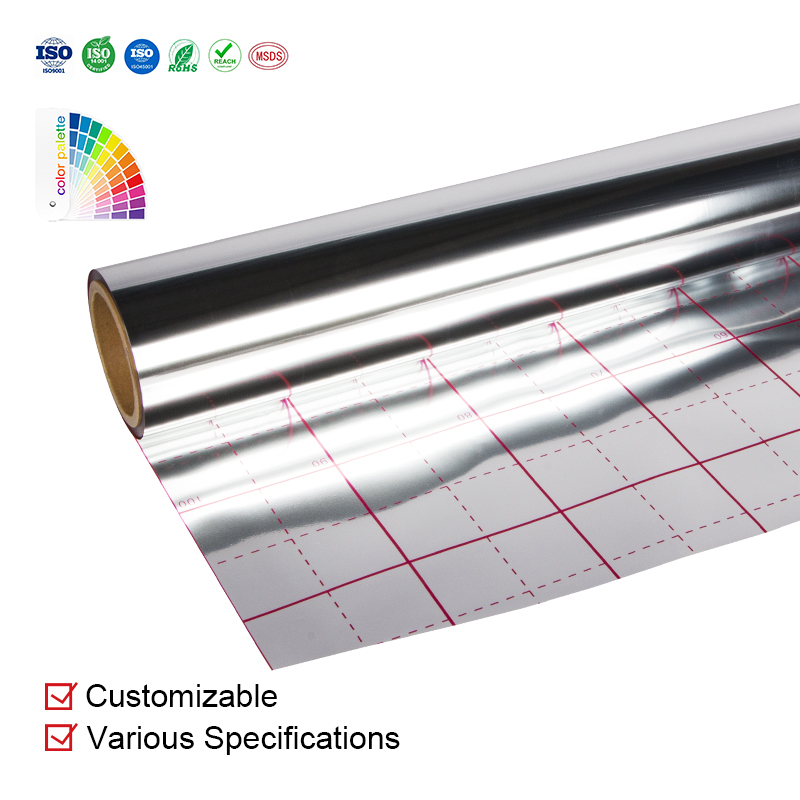
Underfloor Heating Reflective Film: How Installers and Distributors Choose by Application Scenario