How to Select Antimicrobial VMPET Duct Facing for High-Humidity HVAC Systems
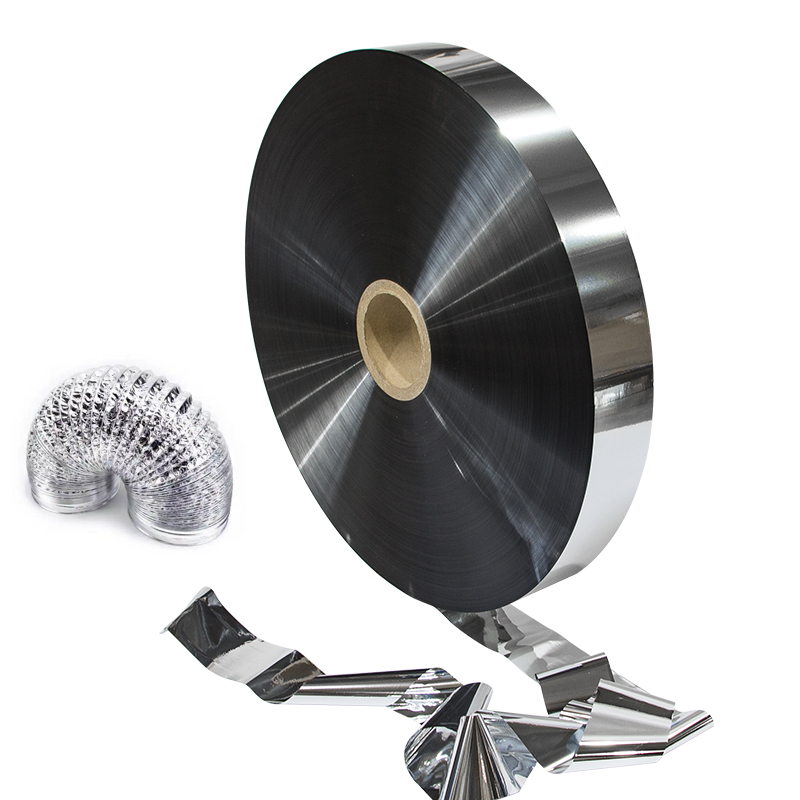
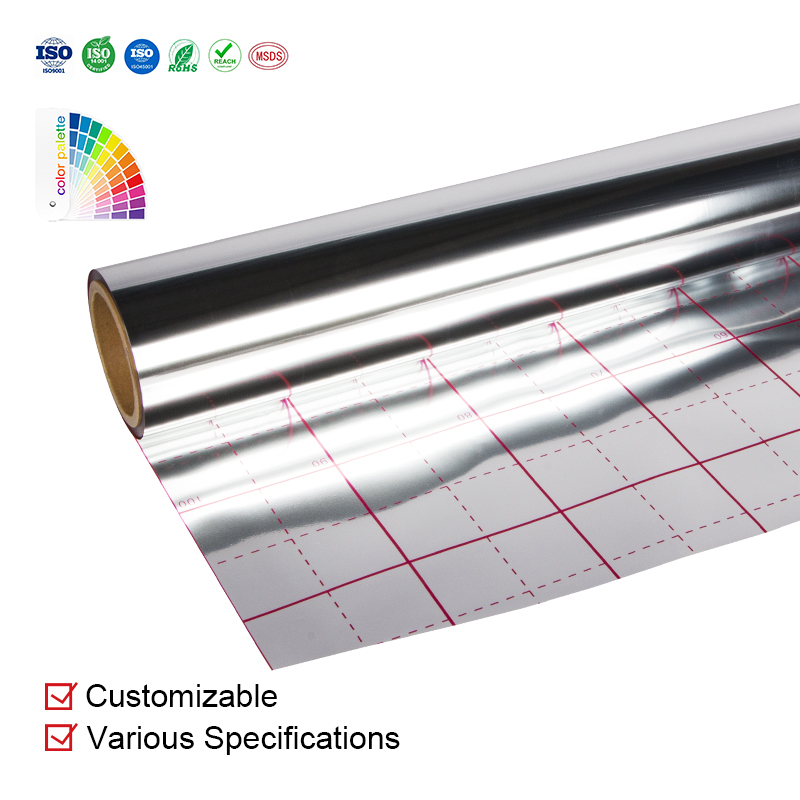
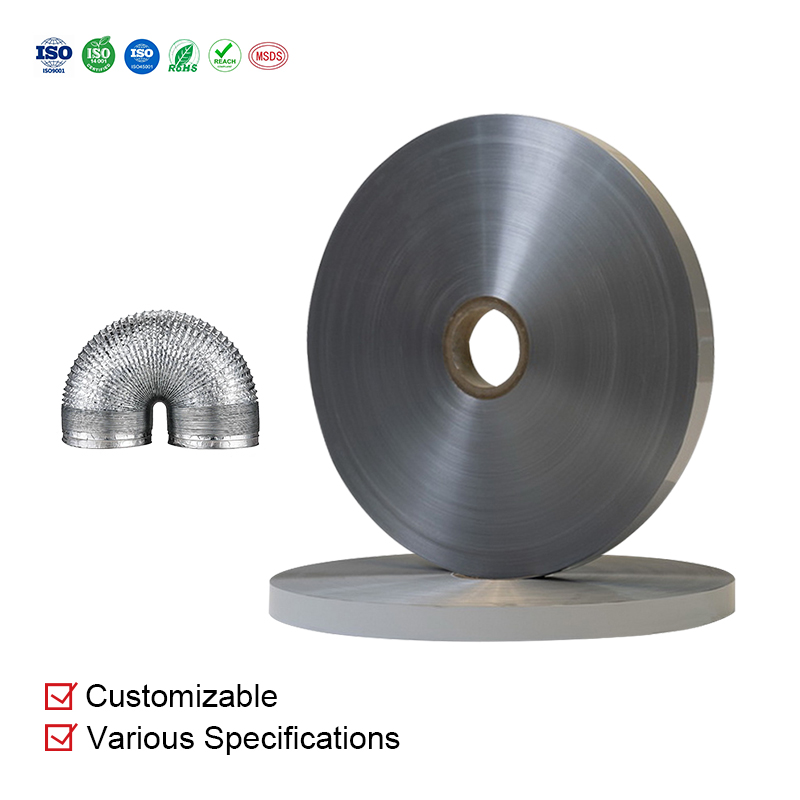
Every July and August, the combination of plum rain and high temperatures across East and South China pushes HVAC systems into peak load operation. Maintenance teams in food processing plants, pharmaceutical cleanrooms, and cold-chain logistics centers often report the same problem: mold spots and odors inside flexible ventilation ducts, sometimes affecting air quality and product safety. Traditional aluminum foil facing offers high reflectivity, but in continuously humid environments, moisture can still penetrate along fibers or seams if the surface protection is insufficient, creating ideal conditions for mold growth. Metallized VMPET duct facing, with its strong moisture barrier, light weight, and good processability, has become a mainstream material for antimicrobial flexible duct applications in high-humidity settings.
Antimicrobial Performance Is a System, Not a Single Coating
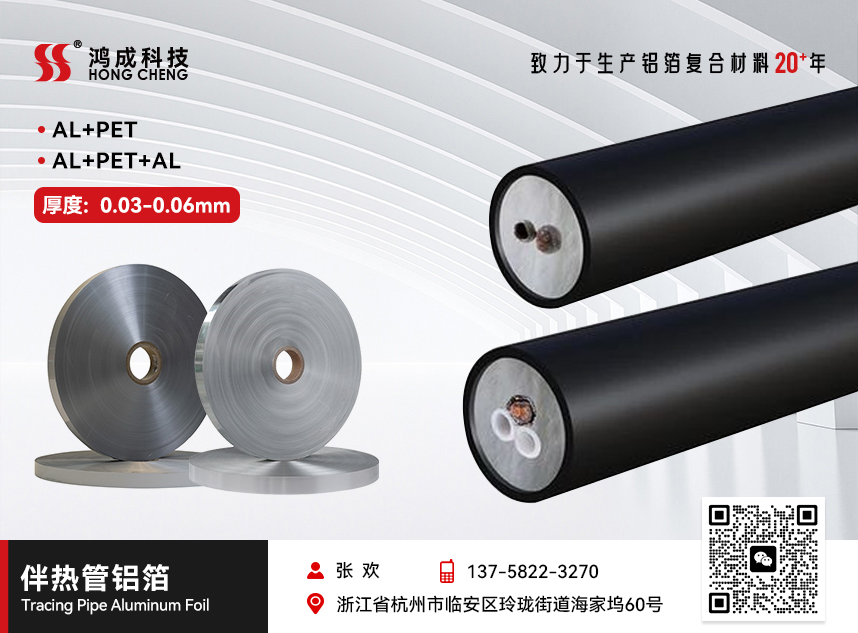
Many buyers assume that antimicrobial protection simply means adding an antimicrobial coating. In reality, mold resistance in flexible ducts depends on three layers working together. First, the metallized aluminum layer itself provides an effective barrier against water vapor, significantly reducing moisture exchange between the inside and outside of the duct. Second, the outer PE or PET film can be modified with inorganic silver ions, zinc-based compounds, or quaternary ammonium antimicrobial agents to inhibit microbial attachment on the surface. Third, the adhesive and extrusion lamination layers must resist hydrolysis over the long term; delamination or blistering would otherwise create hidden pockets where mold can grow.
At Hangzhou Hongcheng Technology Co., Ltd., we adjust aluminum layer thickness, PET/PE structure ratios, and surface functionalization based on the end-use scenario. For food-grade ventilation, we typically recommend an antimicrobial PE surface layer. For pharmaceutical cleanrooms, a low-extraction, low-odor PET-based structure is preferred.
Selecting by Application
Food Processing Ventilation
Food facilities require duct materials that resist mold, grease, and cleaning steam while meeting food-contact migration limits. We recommend a VMPET composite with an aluminum layer of at least 12μm, a food-grade antimicrobial PE surface, and laminating adhesives compliant with GB 4806 or FDA 21 CFR standards. Common widths are 1000mm and 1200mm for compatibility with spiral-wire flexible ducts.
Pharmaceutical Cleanrooms and Laboratories
Pharmaceutical applications prioritize low outgassing, low particulate shedding, and stable antimicrobial performance. A PET/VMPET/PE three-layer structure is recommended, with PET facing outward for mechanical strength and PE facing inward for heat sealing and antimicrobial function. Inorganic antimicrobial agents are preferred to avoid decomposition odors during high-temperature sterilization or ozone disinfection.
Cold-Chain Warehousing and Low-Temperature Air Ducts
Cold storage environments experience large temperature swings, so duct facing must remain flexible at low temperatures while resisting condensation. AL/PE composites offer better low-temperature flexibility than plain aluminum foil, though their moisture barrier is slightly lower. Where budget allows, VMPET/PE composites retain the high barrier of the metallized layer while the PE layer absorbs some thermal expansion stress.
General Commercial High-Humidity Areas
Basements, swimming pools, and kitchen exhaust pre-ducts also face serious mold issues. Cost-sensitive projects can use VMPET/PE structures with 8–10μm aluminum layers, balancing antimicrobial performance, flame retardancy, and economy. Local fire codes should be checked to confirm whether B1 or equivalent flame-retardant ratings are required.
Key Parameter Quick Reference
| Parameter | Food Processing | Pharmaceutical | Cold-Chain | General Commercial |
|---|---|---|---|---|
| Aluminum layer | ≥12μm | ≥12μm | 8–12μm | 8–10μm |
| Surface layer | Antimicrobial PE | Low-extraction PET | PE or CPP | PE |
| Antimicrobial rate | ≥99% | ≥99% | ≥95% | ≥90% |
| Flame retardancy | Per project | Per project | B1 preferred | B1/B2 optional |
| Width | 1000/1200mm | 1000/1200mm | Standard | Standard |
Three Common Misconceptions
Myth 1: Thicker antimicrobial coating is always better. Overly thick coatings can reduce peel strength and heat-seal performance, and may cause surface stickiness or powdering. The better approach is to evenly disperse the antimicrobial agent within the surface resin during extrusion or coating, rather than simply applying a thick layer.
Myth 2: Metallized film is less durable than plain aluminum foil. For flexible ducts, where barrier requirements are moderate but weight and cost matter, VMPET often delivers better overall value. With proper aluminum thickness and lamination quality, its service life is comparable to plain foil facing.
Myth 3: Antimicrobial materials eliminate the need for cleaning. Even the best antimicrobial materials only slow mold growth. They cannot replace regular duct cleaning and dehumidification maintenance. Material selection should always be paired with a sound maintenance plan.
Procurement Checklist
- Define the end-use scenario and required antimicrobial performance level.
- Confirm whether food-contact, pharmaceutical, or flame-retardant certifications are needed.
- Specify target width, roll diameter, composite structure, and peel-strength requirements.
- Ask whether the supplier supports customized antimicrobial agents and third-party test reports.
- Request samples for heat-seal, flexing, and hydrolysis resistance testing.
Hangzhou Hongcheng Technology Co., Ltd. is a China-based manufacturer of aluminum foil composites and PE-laminated composites, supplying metallized VMPET duct facing, AL/PE duct laminates, and related materials for HVAC, food-grade ventilation, and industrial applications. We support custom aluminum layer thicknesses, widths, antimicrobial functions, and composite structures. For technical proposals or samples for high-humidity antimicrobial duct facing, please contact our team.
+86 13758223270、Email: wendy@hcdxcl.com.cn
How to Choose Aluminum Foil Bubble Film for Insulated Box Liners
40G Network Upgrade Drives AL/PET Shielding Tape for Cat6A and Cat7 Cables
Related Article