Application and Prospects of Aluminum-Plastic Composite Films in Green Packaging
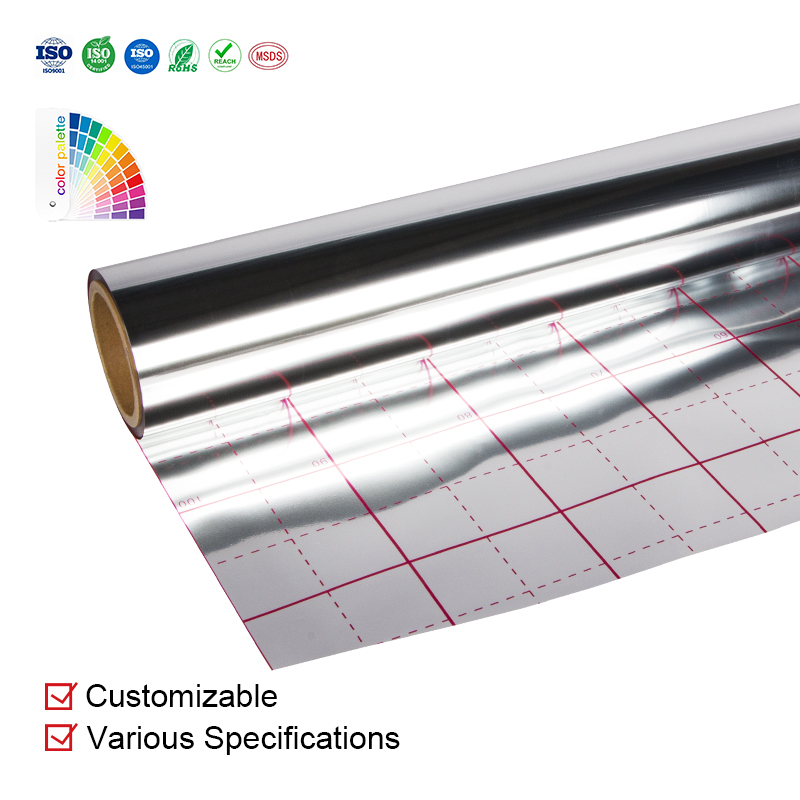
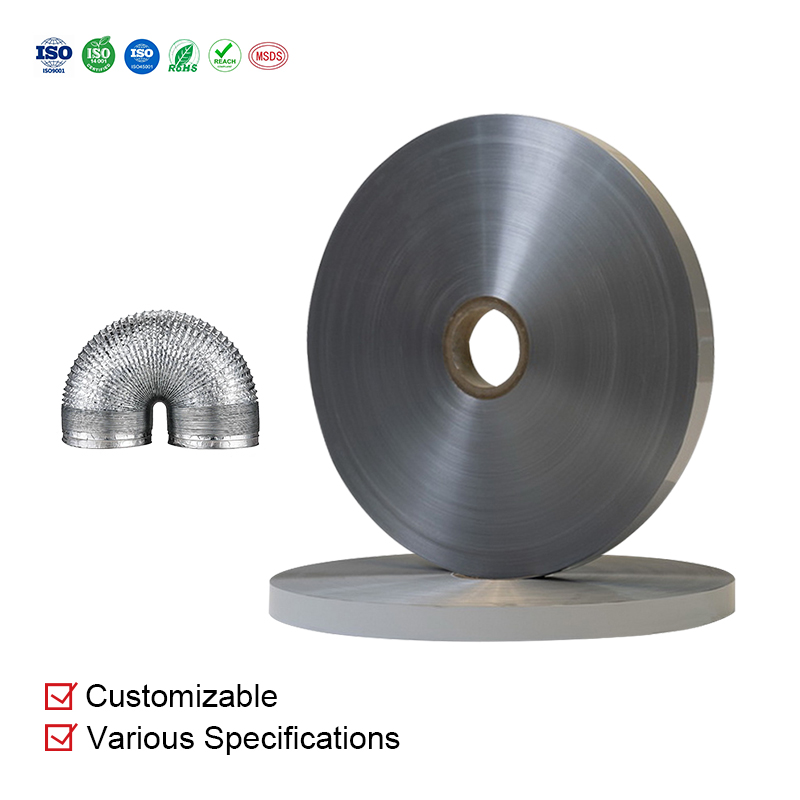
In the global wave of green environmental protection, aluminum-plastic composite film, as a high-performance packaging material, is undergoing a strategic transformation from "function first" to "sustainable development". This material, composed of aluminum foil and plastic film through special composite processes, retains the excellent barrier properties and light-shielding ability of aluminum foil while integrating the flexibility and heat-sealing properties of plastic. It demonstrates unique value in reducing resource waste and carbon footprint, and its path of environmental improvement has become a focus of industry exploration.
The contribution of aluminum-plastic composite film to resource conservation is first reflected in extending product lifecycles. In the food industry, its oxygen transmission rate (OTR) can be as low as 0.3cc/㎡·day, and water vapor transmission rate (WVTR) is controlled below 0.5g/㎡·day, which can extend the shelf life of perishable foods such as meat and pastries by 3-5 times. Data shows that bread products packaged with aluminum-plastic composite film have a mold rate reduced from 25% with traditional packaging to below 3%, reducing annual food waste equivalent to the production capacity of 1.2 million tons of grain. In the pharmaceutical field, its protective effect on light-sensitive drugs is particularly significant, with a light-shielding rate exceeding 99.9%, extending the validity period of vaccines, antibiotics and other products by 2-3 years, and significantly reducing the loss of medical resources due to deterioration.
Lightweight design is another major environmental advantage. By optimizing the composite structure, the thickness of modern aluminum-plastic composite films has been reduced from 80-100μm in the early stage to 30-50μm, with the weight per unit area reduced by more than 40% while performance is enhanced. A beverage company, after adopting a new type of ultra-thin aluminum-plastic composite film, reduced the amount of packaging material per package by 1.2 grams. Based on an annual production capacity of 1 billion packages, it can save 1,200 tons of plastic and aluminum foil resources throughout the year. In transportation, the energy consumption reduction brought by lightweight is more obvious: a truck with a load of 20 tons, after using lightweight aluminum-plastic packaging, reduces fuel consumption by 1.5 liters per 100 kilometers, equivalent to reducing carbon dioxide emissions by about 800 tons per year.
However, the recycling challenge caused by the multi-layer composite structure was once its environmental shortcoming. Traditional aluminum-plastic films, due to the tight bonding between aluminum foil and plastic, have a separation cost of more than 3,000 yuan per ton, with a recycling rate of less than 15%. To this end, the industry has launched three breakthrough solutions in recent years: first, peelable composite technology, using water-soluble adhesives to enable aluminum foil and plastic to automatically separate within 3 minutes in 80℃ hot water, increasing separation efficiency to over 95% and reducing recycling costs by 60%; second, single-material composite process, using homologous plastics (such as PE/PE composite) with ultra-thin aluminum foil, allowing recycled materials to directly enter the plastic recycling system; third, bio-based material substitution, with some enterprises trying to replace traditional PE films with polylactic acid (PLA), enabling the composite material to degrade by more than 60% in natural environments within 6-12 months.
The improvement of recycling systems is equally crucial. The EU's "Packaging Waste Directive" requires the recycling rate of aluminum-plastic composite films to reach 60% by 2025. Germany has established a "deposit return" system where consumers can receive a reward of 0.2 euros per kilogram for returning waste aluminum-plastic packaging, increasing the recycling rate to 58%. A pilot city in China, through the "community recycling points + intelligent sorting boxes" model, recycled and processed 230 tons of aluminum-plastic packaging within half a year. The purity of recycled aluminum foil reaches 99.5%, which can be directly used in food packaging production. Each ton of recycled aluminum reduces carbon dioxide emissions by 1.6 tons compared to primary aluminum.
In the future, the greening of aluminum-plastic composite films will move towards "full-life-cycle low carbon". Innovations such as bio-based adhesives, nano-scale aluminum foil coating technology, and photovoltaic-driven recycling plants are accelerating their implementation. It is expected that by 2030, fully degradable aluminum-plastic composite films will occupy more than 30% of the market share, with recycling rates exceeding 70%, truly achieving a win-win situation of "high performance" and "low environmental load", and becoming a core driver for the packaging industry's carbon neutrality goals.
What's the Difference Between Dry Lamination and Solventless Lamination?
Technological Innovation and Development Directions of Aluminum-Plastic Composite Films
Related Article