Ocean Freight Moisture Damage Is Pushing Export Shippers Toward Container Barrier Liner Bags
For many equipment exporters, machinery manufacturers, and trading companies, one of the most frustrating problems of the past year has not been a shortage of orders. It has been opening containers at destination ports to find rust spots on machined surfaces, softened cartons, and mold inside wooden crates. These "container rain" incidents are quietly rewriting the purchasing logic of export packaging, and container moisture barrier liner bags are shifting from an optional extra to a standard requirement written into buyer contracts.
Three Shifts Behind the Rising Claims
The first shift comes from the shipping lanes themselves. Ocean transit times have lengthened across many trade routes in recent years, and diversions have added well over a week to some voyages. Cargo now spends noticeably longer inside a steel box that heats up under the sun by day and cools rapidly at night. A forty-foot container traveling from Asia to Europe for more than forty days can go through dozens of condensation cycles. Ordinary cartons and wooden crates were never designed to survive that.
The second shift comes from insurance and claims handling. Insurers and buyers increasingly ask direct questions when a claim is filed: Was a barrier liner used? Were desiccants placed inside? Did the protection match the value of the cargo? When packaging falls short, claims can be reduced or rejected on the grounds of improper packing. Exporters have learned that moisture protection is not merely a cost line — it is a risk management decision with a direct financial consequence.
The third shift comes from the buyers themselves. Many European and American purchasing departments now include explicit export packaging specifications in their supplier audit checklists: barrier performance grades, approved materials, and test documentation. The old habit of tossing in a few sachets of desiccant no longer passes an audit. Systematic moisture protection has become part of the qualification process.
Three Material Routes, Each With a Role
For bag converters, the heart of a container liner is the barrier layer. Three material routes dominate the market today, and each has its place.
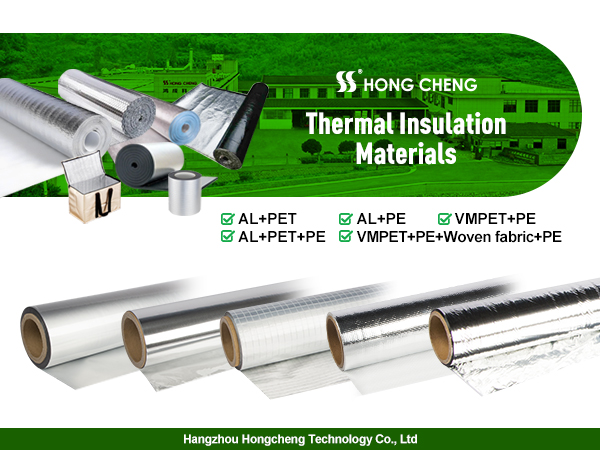
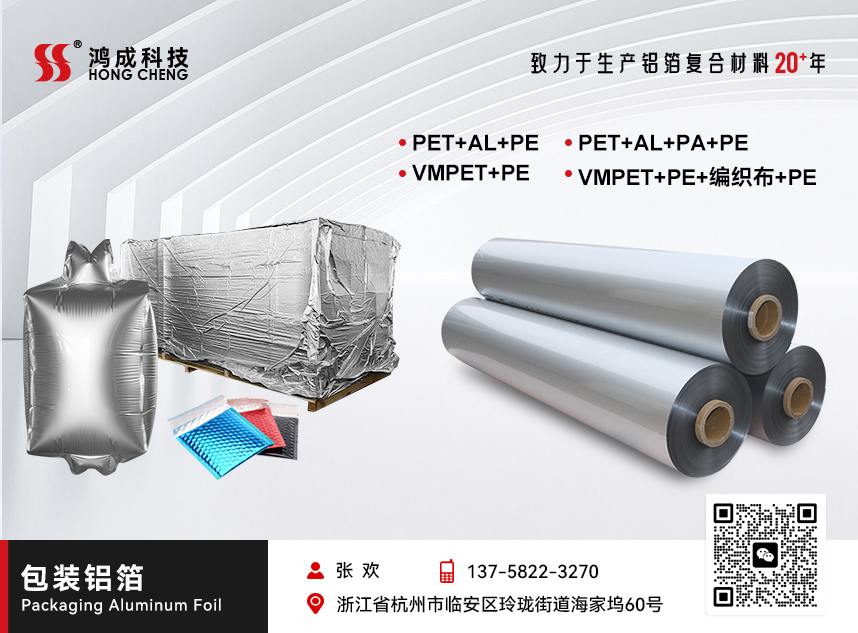
The first route is foil-woven fabric laminate. An aluminum foil layer provides near-zero moisture transmission, while the woven fabric backing supplies tensile strength and puncture resistance. This combination suits heavy machinery and precision instruments — cargo that is both high in value and vulnerable to handling damage. It has long been the workhorse for wooden crate linings, where it can be stapled directly to the crate walls.
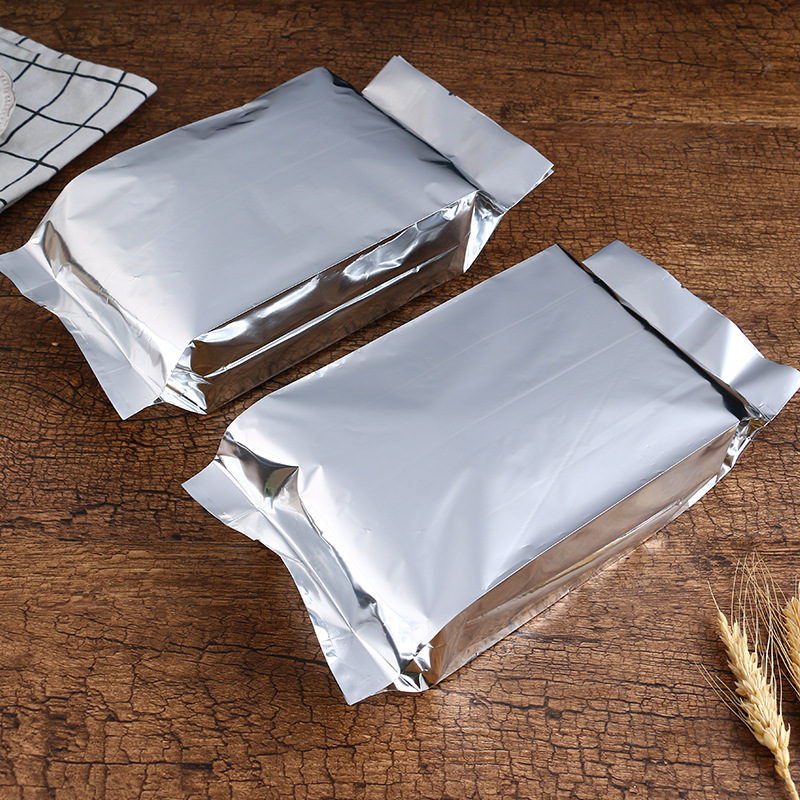
The second route is AL/PE laminate. Aluminum foil bonded to a PE heat-seal layer gives a simple, cost-effective structure with reliable sealing. Converted into large-format liner bags, it wraps palletized consumer goods inside a full container and remains the highest-volume standard option for cartonized cargo.
The third route is VMPET metallized film laminate. Metallized film offers somewhat lower barrier performance than pure foil, but at a lower cost and with a softer hand feel. It fits textiles, leather goods, and food ingredients — products that need real moisture protection but sit in the mid-value range. Its share of export packaging has grown quickly in recent years.
Choosing among the three routes comes down to cargo value, transit time, and the buyer's inspection requirements. Low-value bulk goods are well served by AL/PE. High-value precision equipment often calls for foil-woven laminate combined with desiccants and humidity indicator cards as a complete system. Mid-range cargo such as textiles and leather usually lands on VMPET laminate, where the cost-performance balance is most attractive.
A practical note on matching materials to routes: cargo bound for humid tropical ports faces a different condensation profile than cargo moving to temperate northern Europe, regardless of when it ships. Converters who keep a simple decision matrix — cargo value on one axis, expected humidity exposure on the other — can quote the right structure on the first pass, win buyer trust faster, and avoid the cost of over-specifying barrier film on shipments that do not need it. The matrix also makes internal training easier: a new salesperson can walk a customer through the logic in ten minutes instead of guessing at thickness numbers over the phone.
What Bag Converters Should Watch
First, buyers are starting to purchase liners by data, not by thickness. Exporters increasingly request water vapor transmission rate reports instead of judging a bag by feel. Converters should ask their material suppliers for WVTR data and batch-to-batch consistency commitments, and write the key figures into purchase contracts. A supplier who cannot produce consistent data will eventually cost you a claim.
Second, demand for custom widths and bag constructions is rising. Full-container liners can run more than ten meters long and over two meters wide, which places specific demands on roll width, seal width, and bag design. The depth of cooperation between a converter and its upstream laminate supplier often determines whether such orders can be accepted at all — and delivered on time.
Third, compliance documentation now matters more. Overseas buyers frequently ask for material composition statements, food-contact declarations, and even recyclability notes. Whether a laminate supplier can provide complete, current documentation has become a real factor in how converters choose their upstream partners, not a nice-to-have. Beyond documents, buyers also pay attention to traceability: knowing which batch of laminate went into which liner, with retention samples kept on file, makes any future dispute far easier to resolve. Converters who can present this paper trail at an audit stand out immediately from competitors who cannot.
Behind these three shifts sits a quieter structural change. More exporters are consolidating their packaging suppliers, moving from buying bags at the lowest unit price to building long-term supply relationships with documented quality systems. That favors converters who treat the laminate layer as an engineered component — specified, tested, and recorded — rather than a commodity film bought by weight. It also favors upstream suppliers who respond quickly to custom width requests, provide consistent technical data sheet revisions, and keep lead times predictable even when freight schedules are not.
The direction of the market is clear. As transit times stay long and buyer audits get stricter, container moisture barrier liners are moving from occasional purchases to standing specifications. Converters who lock in reliable laminate supply — with documented barrier performance, stable batches, and flexible customization — will be the ones who win the larger export packaging contracts now being tendered.
Hongcheng Technology is a professional supplier of foil-woven fabric laminates, AL/PE moisture barrier films, and VMPET metallized laminates, serving container liner and wooden crate packaging converters worldwide. Custom widths, thicknesses, and structures are available. Contact us for samples and technical data.
+86 13758223270、Email: wendy@hcdxcl.com.cn
Choosing Aluminum Plastic Film for Insulated Cooler Box Liners
Double-Sided Foil Laminate: Five Purchasing Pitfalls Duct Manufacturers Should Avoid