How to Buy Heating Cable AL/PE Shield Film Without Getting Burned
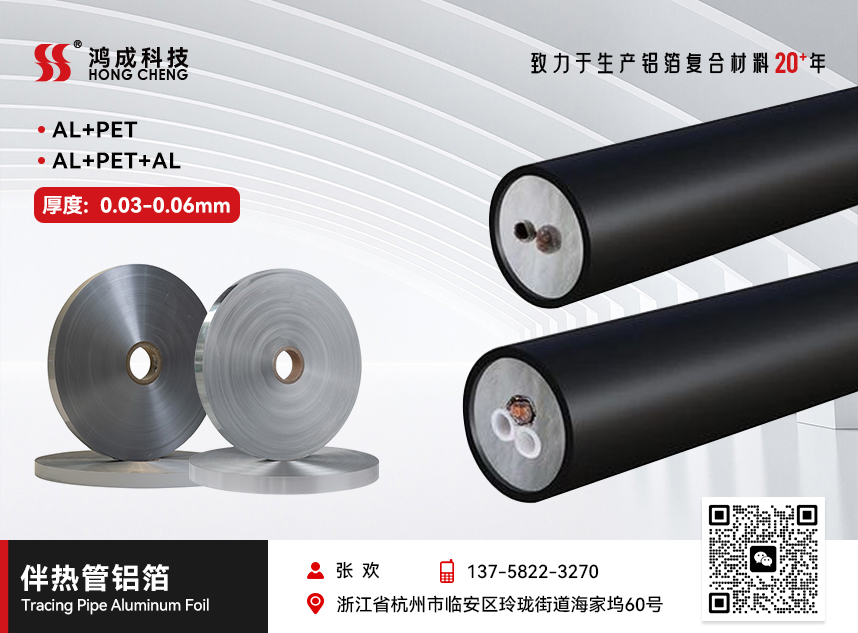
Many purchasing staff at cable factories have been through this: the shielding film specification sheet is written out clearly, the goods arrive on schedule, but problems appear the moment the material hits the production line. The film wrinkles or delaminates during wrapping, or the finished cables fail the shielding effectiveness test during factory inspection—and an entire batch gets stuck in the warehouse. When you go back to the supplier, they push the responsibility away with one sentence: "Your process wasn't set up right."
In most cases, the problem lies not in specification selection, but in the details of procurement verification. As a long-term supplier of AL/PE composite shielding sleeve film for heating cables, we have seen plenty of cases where cable factories switched suppliers after falling into these traps. Today, we will break down the five most common pitfalls one by one, each with a verification method you can put into practice immediately.
Pitfall One: Understated Aluminum Layer Thickness
This is the most common issue in the industry. The contract specifies 7μm foil, but the actual aluminum layer delivered measures under 6μm. Aluminum foil is priced by weight—every micron shaved off the foil layer cuts cost, and an ordinary micrometer can only measure the total thickness of the composite film, unable to distinguish how much is aluminum and how much is PE. This creates room for manipulation by certain suppliers.
A thinner aluminum layer directly compromises shielding effectiveness. Cable factories process the film into finished cables, only to fail the shielding resistance or transfer impedance test—and the entire batch has to be reworked.
Verification method: Require the supplier to provide aluminum layer thickness data along with its testing basis at the quotation stage; sample each incoming batch and send it to a third-party lab to measure actual aluminum thickness; most importantly, write "aluminum layer thickness ≥7μm (or the agreed value)" into the contract as a hard requirement, along with return and replacement clauses for failed spot checks.
Pitfall Two: Substituted PE Material
The sample is produced with virgin PE material—glossy film surface, stable heat sealing. But when it comes to volume production, recycled material gets mixed into the PE layer. The film surface turns grayish and dull with an odor, the heat-sealing window shifts, and aging resistance drops noticeably. Heating cables operate at elevated temperatures, and the PE layer's heat resistance and aging performance directly affect the long-term reliability of the cable. This pitfall is highly concealed and highly damaging.
Verification method: First, look—virgin PE film has uniform color and high transparency. Second, pull—cut a narrow strip and do a simple tensile test; film with excessive recycled content tends to become brittle, with whitened, fuzzy fracture edges. Third, specify—write "PE layer made of virgin material" into the contract, request a material guarantee letter from the supplier, and retain samples from each delivery for future reference.
Pitfall Three: Insufficient Lamination Bond Strength
When the bond between the aluminum foil and the PE layer is weak, the result is low peel strength. As soon as the film is stressed during wrapping, the aluminum and PE layers delaminate and wrinkle. In severe cases, the aluminum layer cracks outright, creating gaps—a discontinuous shield layer that severely compromises shielding performance.
Verification method: There is a simple on-site check—cut a small strip of film and try to peel the layers apart by hand. With well-bonded composite film, you feel uniform resistance as you separate the layers, and the peeled surfaces show fine, dense traces. If the two layers come apart effortlessly with smooth interfaces, the lamination bond is almost certainly problematic. After this initial check, write the specific peel strength value and test method into the contract as the acceptance basis for incoming goods.
Pitfall Four: Poor Slitting Quality
Shielding film runs continuously on wrapping machines, which demands high slitting quality. Burrs on the roll edge, telescoped or loose rolls, or negative width tolerance lead to web wandering, film breakage, and frequent stops for roll changes on the production line. The film itself is not expensive—the downtime losses are what really hurt.
Verification method: Inspect the roll edges upon delivery—well-slit edges are flat, burr-free, and tightly wound; measure the width with a tape and confirm it falls within the agreed tolerance; before full-scale production, run one or two trial rolls on the machine to confirm stable web travel without breakage, then proceed with confidence.
Pitfall Five: Sample-to-Mass-Production Inconsistency
The sample passes every test with flying colors, but once mass production begins and the process drifts, the color, thickness, and hand feel all deviate. This is especially common when cable factories switch to a new supplier—samples are produced on small machines at low speed, while volume orders run on production lines at high speed. Consistency between these two conditions tests the manufacturer's process control capability.
Verification method: Establish a first-article inspection system—after mass production starts, take the first roll off the line for complete testing, and only allow production to continue after it passes; retain samples from each batch and compare appearance and thickness against the sealed reference sample upon delivery; when selecting suppliers, prioritize those equipped with process control measures such as online thickness gauging, rather than looking only at the price.
A Checklist with Five Must-Check Items
Condensing everything above into a checklist you can copy directly into your purchase contracts and incoming inspection forms:
- Aluminum layer thickness: agreed value + sampling method + return clauses for failures;
- PE material: specify virgin material + material guarantee letter + retained delivery samples;
- Peel strength: agreed value + test method + acceptance basis;
- Width tolerance: agreed tolerance range + on-arrival measurement;
- Slitting edge: flat, burr-free edges + on-machine trial run confirmation.
All five items sound like common sense, but few cable factories genuinely verify every batch. Ten extra minutes of checking at the purchasing stage saves the trouble of reworking entire batches of cables later.
Final Words
As a specialized supplier of AL/PE composite shielding sleeve materials, Hangzhou Hongcheng Technology provides cable factory customers with complete material data: aluminum layer thickness, PE layer thickness and material, peel strength, and width tolerance can all be specified item by item in contracts, with incoming spot checks and third-party retesting supported. The 7μm and 9μm foil specifications and various PE layer structures can be custom-slit to match your production line requirements.
Cable factory purchasing colleagues are welcome to contact us with specific requirements. Based on your cable diameter, operating environment, and wrapping process, we will provide a matched shielding film specification solution.
+86 13758223270、Email: wendy@hcdxcl.com.cn
Duct Manufacturer's Guide: Choosing Single-Sided or Double-Sided Foil Facing by Application
How to Judge Woven Foil Vacuum Packaging Laminate Quality
Related Article