Choosing Aluminum Plastic Film for Insulated Cooler Box Liners
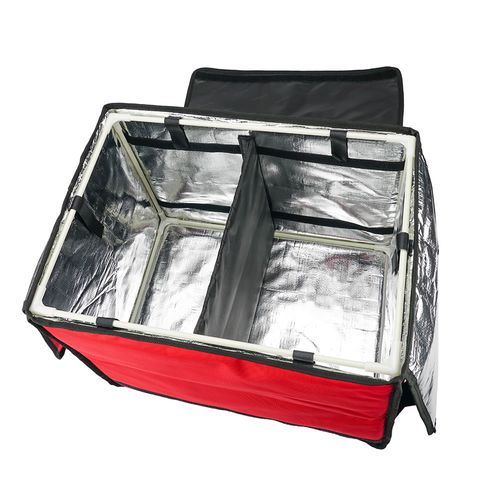
If you run an insulated cooler box, thermal bag, or cold chain packaging factory, you have probably faced this situation: two suppliers both quote "aluminum plastic film," but when the rolls reach your production line, one runs smoothly — clean heat seals, crisp box liners — while the other wrinkles, delaminates, or leaks at the seams. Same material name, very different results. In most cases the problem is not that you "bought the wrong film," but that a few critical selection questions were never asked at the sourcing stage.
As a raw material supplier of aluminum plastic laminate rolls, Hongcheng Technology works with insulated product manufacturers every day. Below are five key selection points for cooler box liner films, written so your purchasing team can use them directly when comparing quotes and evaluating samples.
Point 1: Match the Structure to the Insulation Grade Before Discussing Price
The core functions of aluminum plastic film in a cooler box liner are reflective thermal insulation and moisture vapor barrier — but different product grades call for very different structures.
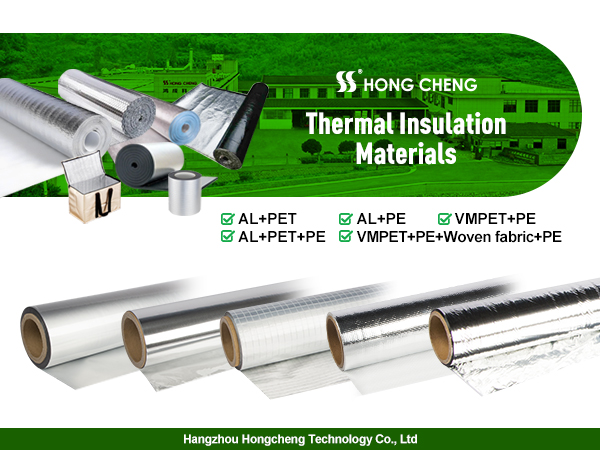
For everyday insulated delivery boxes and food takeaway thermal bags, a two-layer structure is sufficient: AL/PE or VMPET/PE. AL/PE combines pure aluminum foil with PE, offering stronger reflectivity and more reliable barrier performance. VMPET/PE uses metallized film laminated to PE — lower in cost and more flexible, suitable for products where extended temperature holding is not critical.
For mid-to-high-end cold chain boxes, medical cooler boxes, and containers that must hold temperature for long periods, a three-layer structure is recommended: PET/AL/PE. The outer PET layer provides printability and mechanical strength, the middle aluminum layer delivers reflection and barrier, and the inner PE layer handles heat sealing. Three-layer structures show clearly better interlayer bond strength and overall stiffness, and the formed box liner resists collapse.
A practical rule: define the customer's required holding time and target price range first, then choose the structure. Trying to buy three-layer performance on a two-layer budget forces a choice later between cutting corners and losing money.
Point 2: Aluminum Layer Material and Thickness Determine Both Cost and Performance
The "aluminum" in aluminum plastic film comes in two forms — pure aluminum foil and metallized (VMPET) film — and buyers must be able to tell them apart. A simple test: measure surface resistance with a multimeter. Pure aluminum foil conducts well with very low resistance; metallized film shows noticeably higher resistance or no continuity at all. Passing off metallized film as pure aluminum foil in quotes is the most common confusion in this industry.
For thickness: the conventional supply range for the pure aluminum layer in aluminum plastic film is 6μm-9μm. Cooler box liners mostly use the heavy grade at 9μm — a fuller aluminum layer means more stable reflective insulation and stronger moisture barrier. But thickness must be specified layer by layer in the contract, not as a vague "total thickness." On receipt, measure at multiple points with a micrometer, then cross-check by calculating back from grammage. When both numbers agree, thickness is confirmed.
Point 3: Three PE Sealing Layer Parameters Decide How Well the Film Runs on Your Line
The liner film is finally heat-sealed and formed on the box-making line, so the PE layer's behavior directly determines production efficiency. Ask the supplier for three figures:
Heat sealing temperature window. Typically 110℃-150℃. The wider the window, the better the equipment compatibility. A narrow window means the film burns through when slightly too hot and fails to seal when slightly too cool — painful line debugging.
Seal strength. Generally no less than 6N/15mm; for premium boxes, 8N/15mm or above is advisable. Weak seals open up under load and repeated opening and closing.
PE layer thickness. Usually 15μm-30μm. Too thin gives weak seals and poor puncture resistance; too thick raises cost and makes the liner feel stiff.
Also confirm whether the PE is virgin resin or blended with recycled material. Recycled blends shift the sealing window and make seals brittle — check haze and black specks under strong light to identify them.
Point 4: Fold Resistance and Bond Strength Decide Whether the Box Lasts
Cooler boxes are repeatedly folded and opened, so the film's fold endurance and interlayer bond strength matter more than static values. Interlayer peel strength should be no less than 1.5N/15mm. When checking samples, tear the film edge by hand: if the aluminum layer separates from the PE layer completely, with large areas of exposed base film, bond strength is insufficient. In finished boxes, fold lines will delaminate first and the reflective surface turns white — and customer complaints follow.
A fold test you can do yourself: fold the sample twenty times and inspect the crease for delamination or whitening and cracking of the aluminum layer. Thermal bag makers should always run this test.
Point 5: Odor and Food Contact Compliance
Many cooler boxes serve food delivery and fresh produce cold chains, where the liner film may have indirect food contact. Require relevant test reports from your supplier: GB 4806 series for China, (EU) No 10/2011 for Europe, LFGB for Germany. Also unroll and smell the film — obvious residual solvent odor usually indicates a curing process problem, and that smell will linger inside the finished box.
Three Common Misconceptions
Misconception 1: The brighter, the more insulating. Surface brightness is an appearance metric; reflectivity is the performance metric. Read them separately and insist on a reflectivity test report.
Misconception 2: The thicker the aluminum layer, the better. Beyond the conventional range, extra thickness brings limited benefit. Structural suitability matters more than simply stacking thickness.
Misconception 3: Comparing only unit price. A two-layer film and a three-layer film quoted at the same price are not comparable. Price comparison is only meaningful when structure, layer-by-layer thickness, and specifications are identical.
Hongcheng Technology offers customized production of multiple aluminum plastic film structures including AL/PE, PET/AL/PE, and VMPET/PE, with widths and thicknesses tailored to cooler box manufacturers' production lines. As a raw material supplier, we do not manufacture finished cooler boxes — our focus is on the quality and consistency of the laminate rolls themselves. For samples and quotations, contact us at +86 13758223270, Email: wendy@hcdxcl.com.cn.
Why Heat Trace Shielding Tape Changes With Every Installation
Ocean Freight Moisture Damage Is Pushing Export Shippers Toward Container Barrier Liner Bags